
Tako wasabi (often shortened to tako-wasa) is a cold Japanese izakaya nibble of bite-size raw or lightly blanched octopus dressed heavily with wasabi into a pungent, slippery, slightly sticky relish. It is an otsumami, a small drinking snack served chilled in a saucer or by the spoonful and eaten in tiny amounts alongside sake, shochu, or beer. The dressing is sharp and nose-tingling from the wasabi, while the octopus stays firm, springy, and faintly sweet. Many versions fold in salted or sake-lees-pickled wasabi stems and leaves for added crunch and herbal bite. It is frequently sold as a prepared, ready-to-eat product kept cold in the refrigerated case.

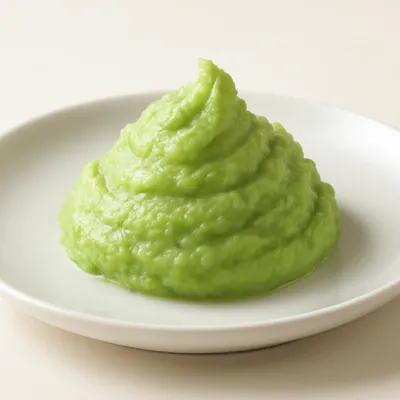




Tako wasabi is a modern izakaya and commercial preparation rather than an old documented dish. Its precise folk origin is unrecorded, but it is widely traced to Azuma Foods of Mie Prefecture, which is reported to have devised the octopus-and-wasabi mix around 1991 and begun selling it commercially the following year, after which the izakaya chain Monteroza helped popularize it nationwide. The two components it joins are far older and well documented: wasabi (Eutrema japonicum, syn. Wasabia japonica), a Brassicaceae plant cultivated in Japan's cool mountain streams, whose Shizuoka cultivation is held to have begun around the early 1600s and which spread as a sushi condiment in the Edo period; and the practice of pickling wasabi stems, formalized as wasabi-zuke in Shizuoka, where the merchant Tajiriya Risuke is credited with refining an older bran-pickled wasabi-stem into a sake-lees version sold during the Horeki era (1751–1763).
The octopus is firm and springy with a clean chew and a faint natural sweetness; cut small, it gives a pleasant resistance rather than rubberiness. The wasabi dressing is slippery and a little sticky, salty and herbal-green, with a fast, sharp pungency that shoots up the nose and clears within seconds rather than lingering like chili heat. Versions with pickled wasabi stems add a crisp, fibrous crunch. It is eaten cold in small bites and pairs cleanly with sake. A poor version is mushy, watery octopus, or a harsh slick of plain wasabi paste with no stem texture and only a flat burn.
Wasabi's pungency is not present in the intact plant: cells store glucosinolates (chiefly sinigrin) separately from the enzyme myrosinase, and only when the tissue is grated, cut, or crushed do they meet, so myrosinase hydrolyzes the glucosinolate to release allyl isothiocyanate (AITC). AITC is highly volatile, so it readily vaporizes and travels up to the nasal passages, where it activates the TRPA1 'wasabi receptor'; this is why the heat is sharp, nose-hitting, and short-lived, and why it is rapidly cleared, in contrast to the lingering mouth heat of capsaicin from chili. Salting or sake-lees pickling of wasabi stems, as in wasabi-zuke, preserves them and rounds the raw pungency while retaining aroma. The octopus owes its firm, springy bite to collagen-rich muscle; in tako-wasa it is often served raw, though it is commonly given a brief blanching in modern preparations for a cleaner, springier texture and food safety.
Variations
Variations differ mainly in the wasabi base: some use plain grated wasabi or wasabi paste, while others fold in salt-cured wasabi stems or the sake-lees wasabi-zuke of Shizuoka for crunch and a mellower heat. Seasoning may be lightened with soy, dashi, mirin, or a squeeze of yuzu. The dish sits within a family of pickled wasabi-stem condiments from Shizuoka and alongside other 'wasa' otsumami such as mekabu-wasa, made with the frilly base of the wakame seaweed dressed in wasabi.
On the Palate
Where Tako Wasabi sits in the Japanese flavor cloud
Ingredients
Serves 2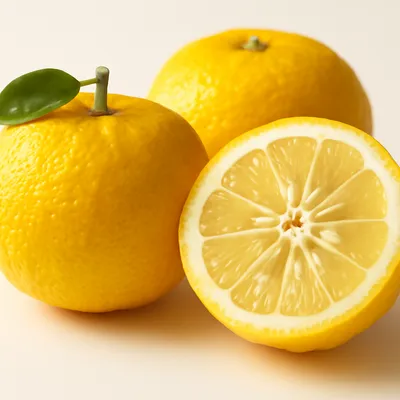
How it's made
9 steps · 15 min active + 10 min waiting
- 16 min
If using whole boiled octopus, rinse and pat dry; if using fresh raw octopus, rub with salt to remove slime, rinse well, and optionally blanch briefly in boiling water, then chill in ice water.
Watch outRub fresh raw octopus hard with salt until the slime is gone, then rinse well — leftover slime tastes off and keeps the dressing from clinging.
- 23 min
Cut the octopus into small bite-size pieces, roughly 1 cm.
- 33 min
Finely chop the pickled wasabi stems and leaves, or have the wasabi-zuke ready.
- 41 min
Grate fresh wasabi, or measure out prepared wasabi paste.
- 51 min
In a bowl, combine the octopus with the wasabi and chopped wasabi stems.
- 61 min
Season lightly with salt and a little soy sauce and mirin to taste; do not overpower the wasabi.
- 71 min
Toss gently until the pieces are evenly coated and slightly glossy.
- 810 min
Cover and chill for at least 10 minutes to let the flavors marry.
Watch outChill at least 10 minutes before serving — the rest lets the sharp wasabi and octopus marry; served straight away it tastes raw and disjointed.
- 91 min
Serve cold in a small dish as an otsumami, in small portions.
Archive tool suggestions — not reviewed
These legacy suggestions have not been evidence-reviewed and are not presented as required tools.


