Seven-herb rice porridge eaten on January 7th (Jinjitsu no Sekku) in Japan, made by cooking rice with seven specific spring herbs: seri (water dropwort), nazuna (shepherd's purse), gogyō (cudweed), hakobera (chickweed), hotokenoza (nipplewort), suzuna (turnip), and suzushiro (radish). A New Year tradition to rest the stomach after festive eating and pray for health in the coming year.



Nanakusa-gayu is a Japanese custom that originated in the Heian period (794-1185), adapted from a Chinese Jinjitsu (人日, 'seven human day') custom brought by diplomats. The original Chinese custom was a seven-vegetable soup; Japan adapted it into a rice porridge (kayu) with seven specific spring herbs. The tradition is recorded in Heian-era court documents and became widespread among commoners in the Edo period. Eating the porridge on January 7th is believed to rest the stomach after New Year's feasting and to invite health for the year.
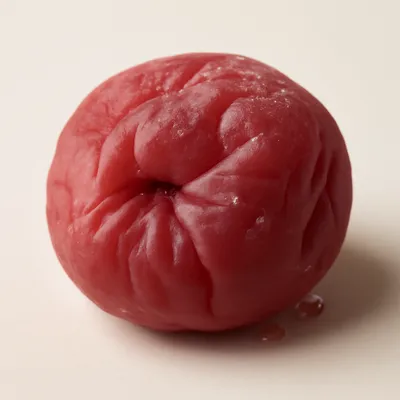
A bowl of nanakusa-gayu is a soft, near-transparent rice porridge flecked with finely chopped green herbs. The texture is gentle — soft rice in a light, slightly thick liquid — and the flavor is mild and clean with the grassy notes of the seven herbs. Eaten hot, often for breakfast on January 7th, sometimes with a pinch of salt or a little umeboshi.
Nanakusa-gayu's character depends on the seven specific herbs, each chosen for spring symbolism and gentle medicinal property. The herbs — seri (water dropwort), nazuna (shepherd's purse), gogyō (cudweed), hakobera (chickweed), hotokenoza (nipplewort), suzuna (turnip), suzushiro (radish) — are finely chopped and added to rice porridge in the final stage of cooking, preserving their color and flavor. The rice porridge itself is cooked with a high water-to-rice ratio (typically 5:1 or higher), creating a soft, easily-digested texture that rests the stomach after the rich New Year's food.
Variations
Herb mixes are sold pre-packaged in supermarkets on January 5-7; regional variations in the seven herbs exist.
On the Palate
Where Nanakusa Gayu sits in the Japanese flavor cloud
Ingredients
Serves 4How it's made
6 steps · 15 min
- 18 min
Rinse and finely chop the seven herbs (seri, nazuna, gogyō, hakobera, hotokenoza, suzuna, suzushiro).
- 240 min
Rinse rice; cook with a high water-to-rice ratio (5:1 or more) over low heat until very soft.
Watch outCook the rice with five parts water or more, low and slow, until very soft — that soupy softness is the point of gruel meant to rest the stomach.
- 35 min
Stir occasionally to prevent sticking.
- 43 min
Add the chopped herbs in the last 2-3 minutes of cooking.
Watch outAdd the chopped herbs only in the last two or three minutes — brief cooking keeps their color and fresh aroma; boiled long they go drab and bitter.
- 51 min
Season with a small pinch of salt.
- 61 min
Serve hot, optionally with umeboshi on top.
Archive tool suggestions — not reviewed
These legacy suggestions have not been evidence-reviewed and are not presented as required tools.



