Ebi doria is a baked rice gratin: a bed of buttered or pilaf rice topped with shrimp in a white cream sauce (bechamel), blanketed with more sauce and cheese and browned in the oven. It is a Japanese yoshoku invention, not an Italian dish despite the Italian-sounding name, and the shrimp version is the original form. Rich and comforting, it comes bubbling and golden, eaten with a spoon straight from the gratin dish. It is distinct from a plain gratin in having a base of seasoned rice rather than pasta or potato.





Doria was created at the Hotel New Grand in Yokohama, which opened in 1927, by its first head chef, the Swiss-born Saly Weil. As the story is told by the hotel, Weil improvised the dish for a guest who was unwell and asked for something easy to swallow, building it from butter rice topped with shrimp in cream sauce, covered with gratin sauce and cheese and baked. It went onto the menu as 'Shrimp Doria' and became a signature of the hotel, reportedly named after the noble Italian Doria family. Through Weil's apprentices it spread to other hotels and restaurants and became a standard yoshoku dish across Japan.
The top is a blistered, golden crust of browned cheese over a creamy white sauce that gives way to soft, plump shrimp and a layer of savoury, buttery rice. It is hot, rich and smooth, the sauce coating each grain, the shrimp sweet and just firm, with a faint nuttiness from the toasted cheese. Eaten hot and just-baked it is silky; if it sits the sauce stiffens and the rice can dry at the edges, and undercooked bechamel tastes raw and floury rather than mellow.
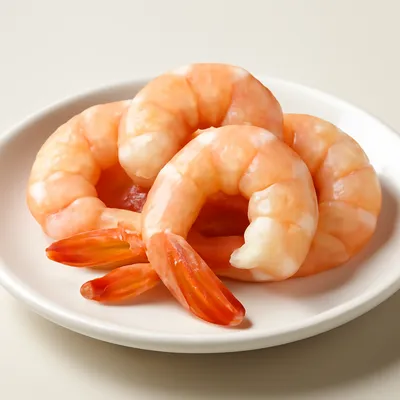
The dish layers three components that finish together under the broiler. The rice is cooked and seasoned—often as a butter rice or pilaf—so it holds its own beneath the sauce. The bechamel is a white sauce made by cooking flour in butter to a pale roux, then whisking in milk so the starch swells and thickens it into a smooth, glossy coat; cooking out the roux removes the raw-flour taste. The shrimp are lightly pre-cooked so they finish tender, not rubbery, in the oven. A topping of cheese and sometimes breadcrumbs browns by the Maillard reaction under high top heat, forming the crust while the sauce beneath stays creamy. Baking in a shallow gratin dish maximises the browned surface.
Variations
Beyond shrimp, common versions use chicken, seafood mix, mushrooms or just plain white sauce, and the rice base may be plain, buttered, ketchup-flavoured (chicken-rice style) or pilaf. A 'mayo doria' adds mayonnaise to the topping, and some home and family-restaurant versions swap demi-glace or tomato sauce into the layering. It is closely related to the gratin (which uses pasta or potato instead of rice) and to oven-baked rice dishes generally; many Japanese restaurants and frozen-food makers carry it year-round.
On the Palate
Where Ebi Doria sits in the Japanese flavor cloud
Ingredients
Serves 2

How it's made
5 steps · 30 min active + 20 min waiting
- 120 min
Cook short-grain rice and toss it with butter, a little salt and sauteed onion to make a seasoned rice base.
- 26 min
Peel and devein the shrimp and saute them briefly until just pink, then set aside.
Watch outSauté the shrimp only until just pink, then set aside — they finish under the broiler, so cooked through now means rubbery at the end.
- 310 min
Make a bechamel: cook flour in butter to a pale roux, whisk in warm milk and simmer to a smooth, thick sauce; season with salt and pepper.
Watch outCook the roux out to pale before whisking in milk — under-cooked flour leaves a raw, pasty taste in the béchamel.
- 46 min
Fold the shrimp into part of the sauce, spread the rice in a buttered gratin dish, top with the shrimp sauce, then more bechamel and grated cheese.
- 512 min
Bake in a hot oven, finishing under the broiler until the top is bubbling and golden brown.
Watch outFinish under the broiler until the top bubbles and browns — this Maillard crust is the whole point of a doria.
Archive tool suggestions — not reviewed
These legacy suggestions have not been evidence-reviewed and are not presented as required tools.