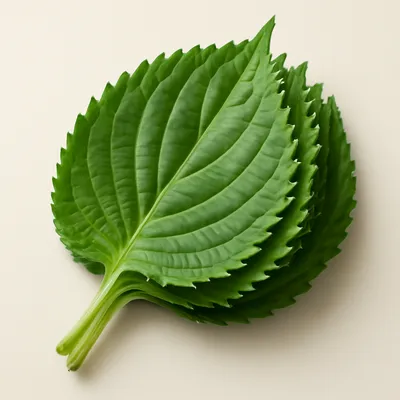
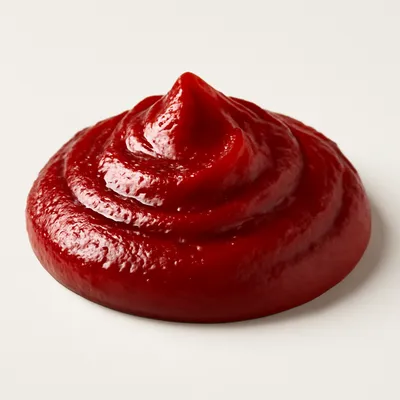
Godeungeo-hoe is raw mackerel sliced as sashimi — a dish almost impossible to find outside places like Jeju because mackerel spoils so quickly that it must be eaten within hours of the catch. On the island, where the fish is hauled in fresh daily, the silvery, oily fillets are sliced thick and served glistening, often with the skin scored or briefly seared. The flavor is far richer and more savory than lean white-fish sashimi, with a clean sea-fat sweetness. Eaten with chili-vinegar sauce, garlic, perilla and ssamjang wrapped in a leaf, it is one of Jeju's prized raw-fish experiences.



Mackerel is among Jeju's signature fish, and the island has built much of its food identity around it — grilled, simmered and, where freshness allows, raw. The catch is the whole premise of the dish: oily fish like mackerel break down within hours, so eating it as hoe was historically possible only at the dock, in the fishing towns where boats came in. That tie between sea and table is why godeungeo-hoe reads as distinctly Jeju (and a few other southern fishing ports) rather than a dish of the inland cities. Modern cold-chain handling has widened its reach, but the island remains its true home.
The flesh is soft and fatty, melting on the tongue with a deep, almost buttery savor and a bright marine sweetness — nothing like the lean snap of white-fish sashimi. A seared or scored skin adds a faint smoky chew, while the chili-vinegar sauce and raw garlic cut cleanly through the richness.
Everything turns on freshness: a mackerel just off the boat is bled, filleted and chilled fast, because its high oil and active enzymes drive rapid spoilage and histamine buildup. Slicing thick suits the soft, fatty flesh, which would fall apart in paper-thin cuts. Scoring or a quick sear of the skin tames its toughness and adds aroma without cooking the flesh, and the acidic chili-vinegar dip both brightens the fat and serves the practical role of pairing crisply with such a rich, oily fish.
Variations
It is most often served as muchim — tossed with chili sauce, vegetables and sesame into a spicy salad — when the fish is a touch less pristine, or as plain hoe with dipping sauce when it is impeccable. Some places lightly cure or sear the surface; others wrap the slices with rice, perilla, garlic and ssamjang as a leaf bundle. A close island cousin, jeon-eo or other oily local fish, gets the same raw treatment in season.
On the Palate
Where Godeungeo-hoe sits in the Korean flavor cloud
Ingredients
Serves 3How it's made
6 steps · 25 min
- 15 min
Start with impeccably fresh mackerel; have it bled and kept cold from the moment it is caught.
Watch outStart only with impeccably fresh, cold-kept mackerel — its high oil and active enzymes spoil fast, so freshness is the whole dish.
- 28 min
Fillet the fish, remove pin bones and trim, keeping the skin on if you plan to sear it.
- 33 min
Optionally score the skin and pass a flame quickly over it, then chill again immediately.
- 44 min
Slice the fillets thickly across the grain with a sharp knife.
Watch outSlice the fillets thick across the grain — this soft, fatty flesh falls apart in paper-thin cuts.
- 53 min
Arrange on a chilled plate with shredded radish or perilla.
- 62 min
Serve at once with chojang chili-vinegar sauce, ssamjang, raw garlic and leaves for wrapping.
Archive tool suggestions — not reviewed
These legacy suggestions have not been evidence-reviewed and are not presented as required tools.