
Jogae-tang is a clear, clean clam broth — short-neck or manila clams boiled in water with garlic and a little chili until the shells open and release their brine into the soup. There is almost nothing to it: no thick base, no chili paste, just clams, garlic, a slice of green chili and scallion, finished with a splash of rice wine. The result is bright, savory and faintly sweet, the broth tasting purely of the sea. Light and quick, it is eaten as a refreshing soup with rice and is a classic Korean hangover cure, the clams said to soothe a tired liver.
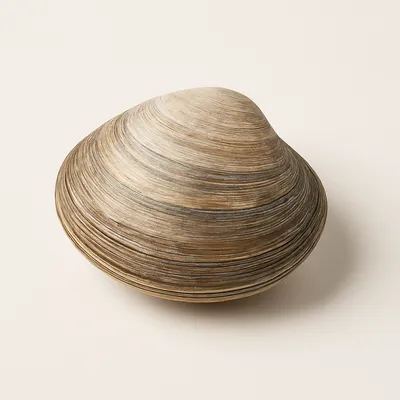



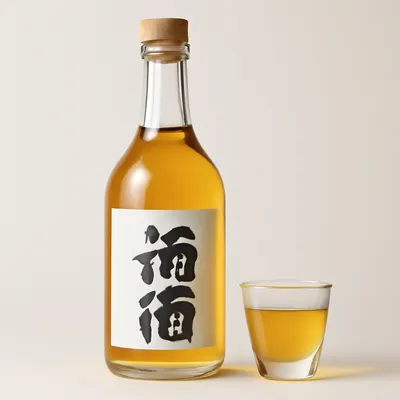

Clams are a staple of Korea's long, tidal-flat coastline, dug in quantity along the western and southern shores, and a clear clam soup is one of the simplest and oldest ways to eat them — folk home cooking rather than a dish with an inventor or a founding date. Its standing as a haejang, a hangover soup, is long and well known; clams are a traditional remedy for an overtaxed liver, and a clean, briny broth is the kind of light, restorative bowl Koreans reach for the morning after drinking. It is everyday coastal and home fare, valued precisely for how little it does to the clams.
The broth is light and crystal-clear but tastes deeply of the sea — savory, faintly sweet, with a clean salinity that comes from the clams themselves rather than added salt. The clams are plump and tender, slipping from their shells, and the garlic and a single green chili give a gentle warmth and aroma without clouding the soup. It is brisk and bracing, the kind of bowl that feels like it is doing you good, especially the morning after.
Everything depends on the clams and on not overcooking them. They must first be purged: soaked in lightly salted water in the dark so they spit out their sand, or the broth turns gritty. The clams are then dropped into boiling water and cooked only until the shells just open — at which point they release a brine rich in glutamates and amino acids that becomes the entire flavor of the soup, no stock needed. Cook them a moment too long and the meat toughens and shrinks, so they come off the heat the instant they gape. A splash of rice wine and a slice of chili lift any lingering fishiness, and the foam is skimmed to keep the broth clear.
Variations
The clam is open to what is fresh — short-neck bajirak, larger manila clams, or surf clams and even mussels in a mixed pot. Most versions stay clear and clean, seasoned only with garlic, chili and salt, though some add a little radish for sweetness or a touch of soybean paste for body. A spicier rendition leans on gochugaru, edging it toward the broader jogae or haemul-tang family. Beyond the soup, the same clams go into a steamed jjim or a clam kalguksu, but the clear tang is the purest expression, prized as a hangover bowl.
On the Palate
Where Jogae Tang sits in the Korean flavor cloud
Ingredients
Serves 2How it's made
7 steps · 30 min
- 130 min
Soak the clams in lightly salted water in a dark, cool spot for several hours so they spit out their sand.
Watch outPurge the clams in lightly salted water in a dark spot for hours until they spit their sand — miss this and the broth turns gritty.
- 25 min
Scrub the shells clean and rinse well under running water.
- 33 min
Bring a pot of water to a boil with sliced garlic.
- 45 min
Add the clams and cook over high heat just until the shells open.
Watch outPull them off the heat the instant the shells gape — that's when they release their sweet brine; a moment longer and the meat shrinks tough.
- 51 min
Skim off any foam to keep the broth clear.
- 62 min
Add a splash of rice wine, sliced green chili and scallion and season with salt.
- 71 min
Serve at once while the clams are plump and the broth is hot.
Archive tool suggestions — not reviewed
These legacy suggestions have not been evidence-reviewed and are not presented as required tools.


