
Eori-guljeot is a lightly salted, briefly fermented oyster jeotgal (salted-fermented seafood) seasoned with gochugaru (Korean chili powder), a hallmark specialty of Seosan and Taean in South Chungcheong Province, most famously from the tidal flats around Ganwol-do (Ganwol Island). The name marks it apart from ordinary jeot: 'eori' (from the root meaning under-done or only lightly salted) signals that the oysters are cured in far less salt and fermented for only a short time, so they stay plump and taste fresh-briny rather than harshly salty. Small, dark Ganwol-do oysters are rinsed in seawater, salted, then dressed with chili powder, garlic, ginger and scallion and left to mellow for roughly ten days to two weeks. The result is a salty-spicy, savory condiment eaten by the spoonful with hot rice, prized enough to be nicknamed a 'rice thief' for how much rice it disappears. It is served as a banchan (side dish) or relish rather than as a stand-alone course.





Eori-guljeot is a documented regional specialty of the Seosan-Taean coast in South Chungcheong, where the tidal mudflats around Ganwol-do once yielded a large share of Korea's oysters; the small, dark Ganwol-do oysters are noted as sweet and free of fishiness. Oyster jeot itself is old: the Annals of King Sejong record salted oysters sent as royal tribute and offered to Chinese envoys, and a record from the 18th year of King Jeongjo (1794) lists oyster-jeot tribute from Seosan. A widely retold local legend holds that the monk Muhak Daesa, while practicing at Ganwol Hermitage, presented the oyster jeot to King Taejo, founder of the Joseon dynasty; this tale is treated as legend rather than fact, since chili pepper only reached Korea after the Imjin War of 1592, so a gochugaru-seasoned version cannot date to early Joseon. The chili-seasoned form is firmly attested by the early twentieth century, when a 1925 account named Seosan's chili oyster-jeot the representative specialty of all Joseon. The exact birth date of the dish is unrecorded.
Cold from the crock, each oyster is small but plump and slick, giving a soft pop between the teeth before dissolving into a rush of brine. The first taste is clean sea-salt and oyster sweetness rather than the sharp, over-salted tang of long-aged jeot; the gochugaru then arrives as a warm, fragrant heat with a faint chili sweetness, not a searing burn. Garlic and ginger sit underneath, and a gentle savory depth from the short ferment lingers after the chili fades. A single spoonful is intensely flavored, made to be cut with mouthfuls of plain hot rice.
Jeotgal works by salt: salt draws water out of the seafood and lowers water activity, suppressing spoilage and pathogenic bacteria while the oyster's own autolytic enzymes and salt-tolerant microbes slowly break its protein down into free amino acids and nucleotides, the source of the deep savory taste. The defining choice in eori-guljeot is light salting ('eori' = lightly salted): instead of the roughly 20 percent salt and months of aging used for heavy long-keeping jeot, the oysters are cured in only about 5 to 7 percent salt and fermented briefly, often around ten days to two weeks in a crock held near 15 to 20°C. Less salt and a shorter ferment keep the oysters plump and the flavor fresh and clean rather than acrid and over-broken, and as in kimchi the mild cure favors beneficial lactic-acid bacteria that add a gentle tang. Gochugaru is mixed in both for flavor and color and for mild antimicrobial protection; the small, firm-fleshed Ganwol-do tidal-flat oysters hold their shape through this gentle process better than larger, softer oysters would, which is part of why the local product is prized. The trade-off is shelf life: lightly salted eori-guljeot keeps far less long than heavily salted jeot and is best eaten while still fresh-tasting.
Variations
Eori-guljeot is one branch of Korea's broad jeotgal family of salted-fermented seafood, which includes saeujeot (salted shrimp), myeongnanjeot (seasoned pollock roe), changnanjeot (pollock tripe), ojingeo-jeot (squid) and many others; plain guljeot is simply salted oysters without the chili, while the 'eori' style is defined by its light cure and gochugaru. Within Chungcheong, Seosan, Taean, Dangjin and Yesan all make it, but Ganwol-do is singled out as the benchmark and even holds an annual oyster and eori-guljeot festival. Household and commercial recipes vary in the amount of chili, garlic and ginger, in whether a little sugar or a touch of fish sauce is added, and in ferment length, with some modern low-salt versions using cultured lactic-acid bacteria. It is most often eaten straight as a rice condiment, but is also folded into rice, tucked into gim (seaweed) wraps, or used to season other dishes.
On the Palate
Where Eori-guljeot sits in the Korean flavor cloud
Cure the oysters lightly, at only about 5 to 7 percent salt for a short ferment, so they stay plump and taste fresh and clean rather than the harsh, over-broken flavour of heavily salted jeot.
Ingredients
Serves 12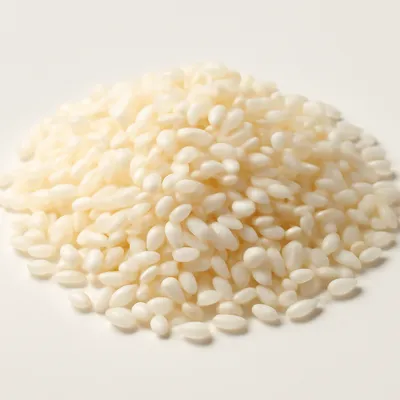
How it's made
6 steps · 1 hour
- 120 min
Shuck fresh small oysters and rinse them gently in lightly salted water or clean seawater to remove grit and shell fragments; drain well in a basket so they are not watery.
Watch outAfter rinsing, drain the oysters really well in a basket so the finished jeot is not watery.
- 2180 min
Toss the drained oysters with coarse sea salt at a light ratio (about 5 to 7 percent of the oyster weight, far less than ordinary jeot) and let them sit cool for 2 to 3 hours until they firm slightly and release some liquid.
Watch outCured at that light 5 to 7 percent salt, the oysters should just firm slightly and weep a little liquid.
- 315 min
Lightly drain off excess brine, then mix the salted oysters thoroughly with gochugaru, minced garlic, minced ginger and chopped scallion until evenly coated red.
- 45 min
If using, stir in a spoon of glutinous rice paste (cooled cooked glutinous rice or rice flour boiled and cooled) to bind the seasoning and round the flavor.
- 55 min
Pack the mixture into a clean crock or jar, press out air pockets, cover the surface and seal.
- 617275 min
Ferment in a cool place around 15 to 20°C for about 10 days to 2 weeks until lightly soured and savory, then refrigerate; serve cold as a banchan or rice condiment and eat while fresh-tasting.
Watch outIt is ready when it smells lightly soured and savory, not sharp; then chill it right away.
Archive tool suggestions — not reviewed
These legacy suggestions have not been evidence-reviewed and are not presented as required tools.


