




Traditionally tied to the Kapampangan region of Central Luzon, where peanut-thickened stews predate Spanish contact. One theory traces the dish to Indian sepoys stationed in Cavite under British occupation in 1762–64, who cooked curry with whatever thickener was at hand; the name is sometimes derived from Tamil kari. Another links it to indigenous Pampango peanut-and-rice gravy traditions.
Kapampangan peanut-thickened stew, possibly traced to Indian sepoys stationed in Cavite under British occupation 1762-64. Bagoong is bench-served — cooking it into the pot turns the shrimp bitter.
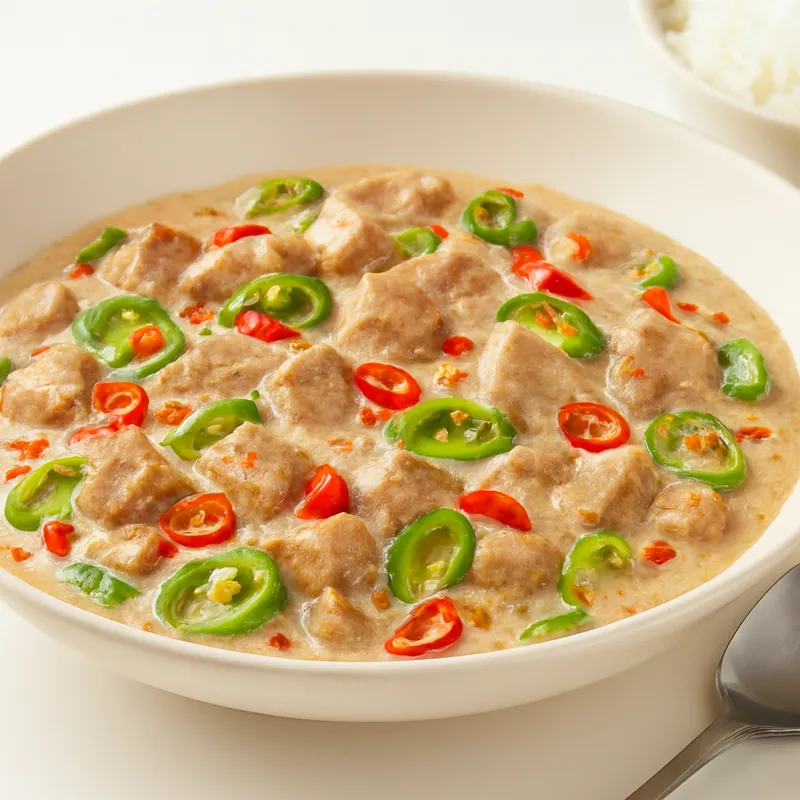
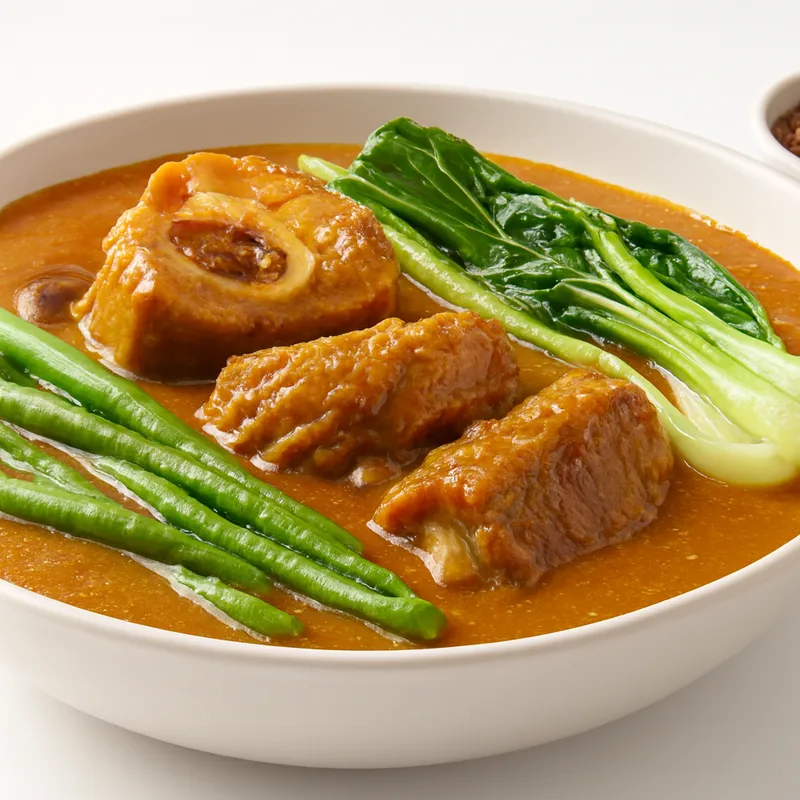
Oxtail and tripe braised until the cartilage turns to gel, served in a thick orange peanut sauce with bok choy, eggplant, long beans, and banana heart. The sauce coats a spoon. On the side: bagoong, fermented shrimp paste, dark and salty — you stir it in by the bite, not all at once. Without bagoong the dish reads sweet and one-note.
The sauce is thickened by two things working together: ground roasted peanuts and toasted glutinous-rice flour. Peanut alone makes a gritty soup; rice flour alone makes a paste with no flavor; together they give the body that holds banana heart and eggplant up in the bowl. The bagoong is bench-served because cooking it into the pot turns the shrimp bitter.
Variations
Oxtail-and-tripe is the canonical Kapampangan version; seafood kare-kare swaps in mussels and squid; Aristocrat in Manila does a pork-belly version; vegetarian kare-kareng gulay drops the meat for banana heart and string beans.
On the Palate
Where Kare-Kare sits in the Filipino flavor cloud
Ingredients









How it's made
6 steps · 2 hours
- 190 min
In a large pot, bring 6 cups of water to a vigorous boil. Add the oxtail and simmer until tender, about 90 minutes. The meat should be falling off the bone and the broth rich and aromatic.
Watch outThe broth should smell rich and the meat pull off the bone — that's your cue it's tender enough.
- 25 min
While the oxtail cooks, soak ½ cup of annatto seeds in ½ cup of warm water. Rub the seeds gently to release their vibrant red color, then strain the liquid and set aside.
- 310 min
Slice the eggplants diagonally into ½-inch thick pieces. Trim the string beans to 3-inch lengths. Parboil the vegetables in salted water for 5 minutes until just tender, then set aside.
Watch outParboil only until the beans and eggplant are just tender and still bright — pull them before they go soft.
- 43 min
In a large pan, heat ¼ cup of cooking oil over medium heat. Sauté the chopped garlic and sliced onion until they turn golden and fragrant, about 3 minutes.
Watch outWatch closely to prevent the garlic from burning, which can make the dish bitter.
- 510 min
Pour the annatto seed liquid into the pan and bring to a gentle boil. Stir in the ground peanuts and toasted ground rice, mixing until the sauce is thick and smooth. Add the oxtail and parboiled vegetables, stirring to coat everything in the rich sauce.
Watch outStir until the sauce turns thick and glossy and coats the back of the spoon before the meat and vegetables go in.
- 62 min
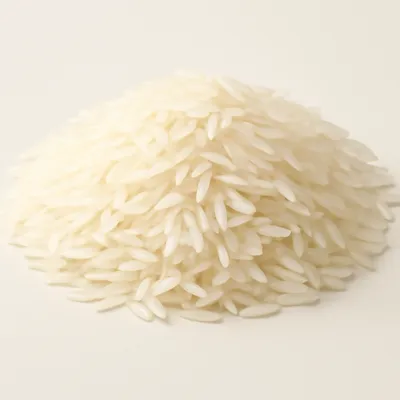
Season with fish sauce to taste, ensuring a balance of savory and nutty flavors. Serve the stew hot with a side of steamed rice and shrimp paste for added depth.