The base condiment of Maranao cooking: finely chopped sakurab — the bulbs of a native scallion — pounded with ginger, turmeric and chili, then cooked with toasted grated coconut until fragrant and almost dry. Sweet, hot and aromatic, it is spooned onto rice, stirred into stews, and treated as the seasoning behind much of the Maranao table. It is also the heart of dishes like piaparan.


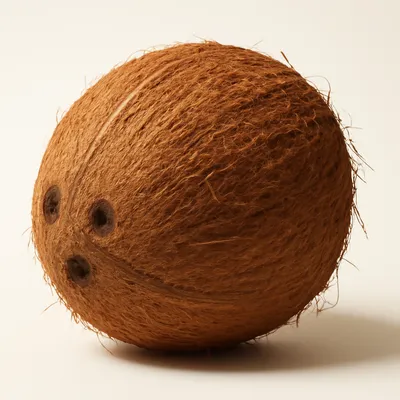


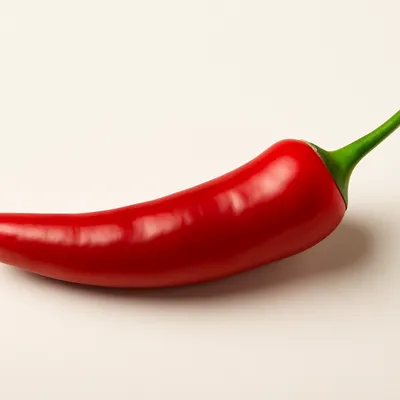
Palapa originates with the Maranao people of Lanao del Sur, around Lake Lanao, and is generally held to predate Spanish contact — a condiment grown out of local agriculture, built on sakurab, a native scallion abundant in the region. Once cooked it is packed into sealed jars (garapon), where it keeps, and a household is rarely without a jar of it. It stands as a cultural emblem of the Maranao and appears, in one form or another, at nearly every meal.
Fresh from the pan it is a coarse, glistening mash flecked green, gold and red. The taste hits in order: the sharp allium bite of the scallion bulbs, then ginger warmth, then a building chili heat, all carried on the sweet, toasty richness of coconut. A spoonful transforms a plain bowl of rice; sautéed briefly with a little condensed milk, it mellows into something rounder.
Pounding the sakurab, ginger and chili ruptures their cells and releases their pungent, aromatic oils so they blend into one paste. Toasting the coconut develops Maillard browning, turning its raw sweetness into caramel-nut depth and driving off moisture; cooking the mixture down to near-dryness lowers the water content, which — together with the salt and the antimicrobial alliums — is what lets a jar of palapa keep for weeks. The turmeric's curcumin, being fat-soluble, dissolves into the coconut oil and colours the whole batch gold.
Variations
Palapa ranges from fresh and raw, used like a salad dressing, to fully cooked and dry for keeping; chili levels run from mild to fierce. Some cooks add a little toasted then ground coconut for body, others a spoonful of condensed milk when serving. Beyond the table it seasons piaparan, sinina and many other Maranao dishes.
On the Palate
Where Palapa sits in the Filipino flavor cloud
Ingredients
Serves 12How it's made
7 steps · 30 min
- 112 min
Peel and finely chop the sakurab (scallion bulbs); mince the ginger and chilies.
- 28 min
Pound the scallion, ginger, chili and turmeric together into a coarse paste.
- 38 min
Toast the grated coconut in a dry pan until deep golden and fragrant.
Watch outToast the grated coconut to deep golden — that Maillard browning turns raw sweetness into caramel-nut depth and dries it for keeping.
- 46 min
Heat a little oil and fry the paste until the raw sharpness softens.
- 52 min
Stir in the toasted coconut and a little salt.
- 610 min
Cook over low heat, stirring, until the mixture is fragrant and nearly dry.
Watch outCook the mixture down until it's fragrant and nearly dry — the low water content, with the salt and alliums, is what lets it keep for weeks.
- 75 min
Cool completely and pack into clean, sealed jars.


