A fragrant, evergreen leaf with a strong, slightly sweet aroma that deepens when dried; laurel's flavor is subtle yet profound. This ancient herb is synonymous with Mediterranean cuisine, bestowing a sophisticated depth to dishes.
Where it comes from
Laurel has been revered since antiquity, associated with victory and status in Ancient Greece. Its culinary use spans across Mediterranean and Middle Eastern dishes.
In the kitchen
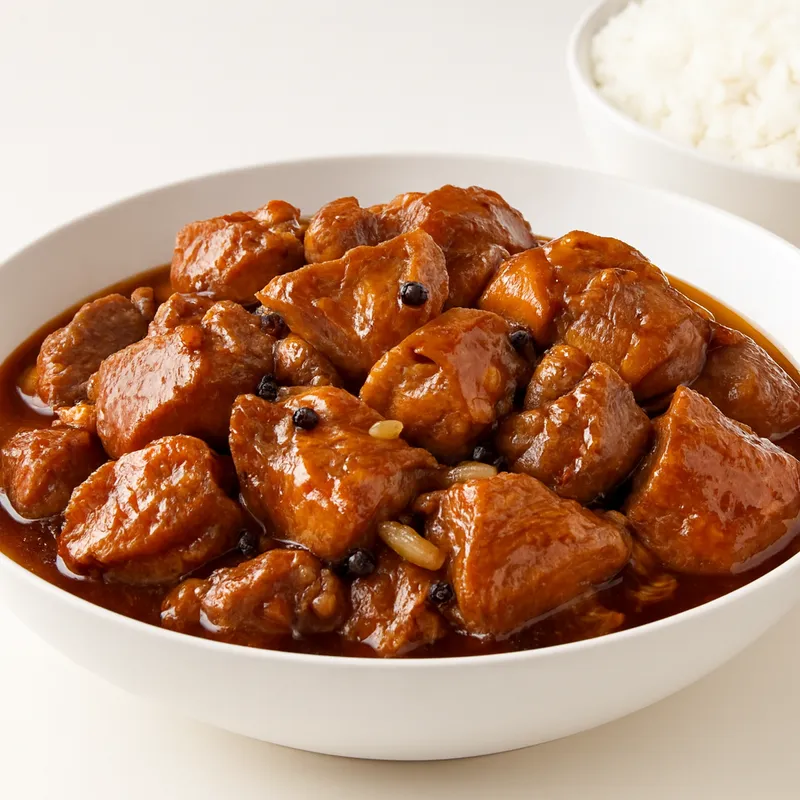
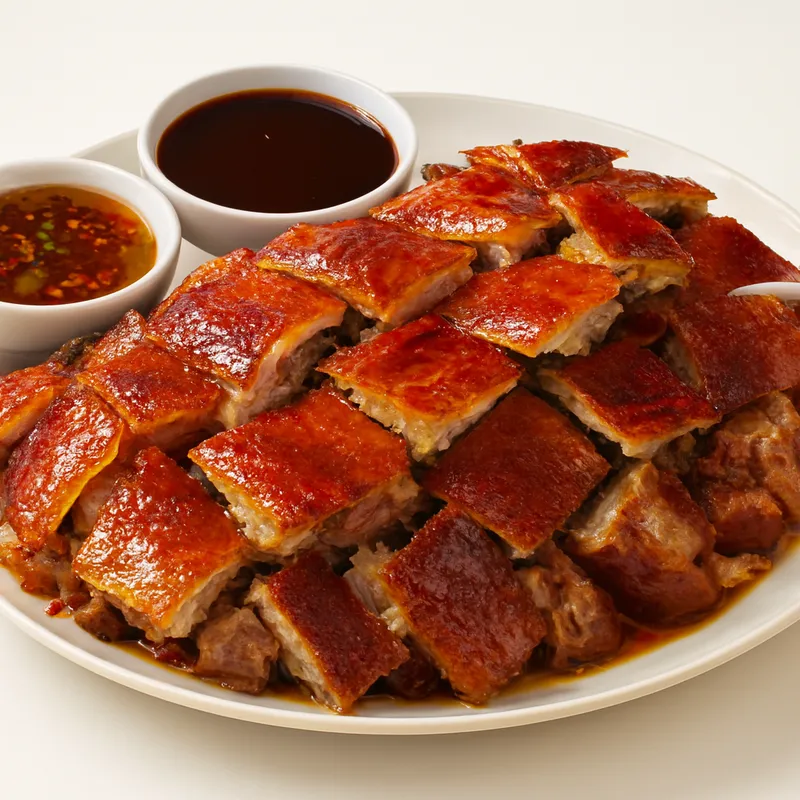
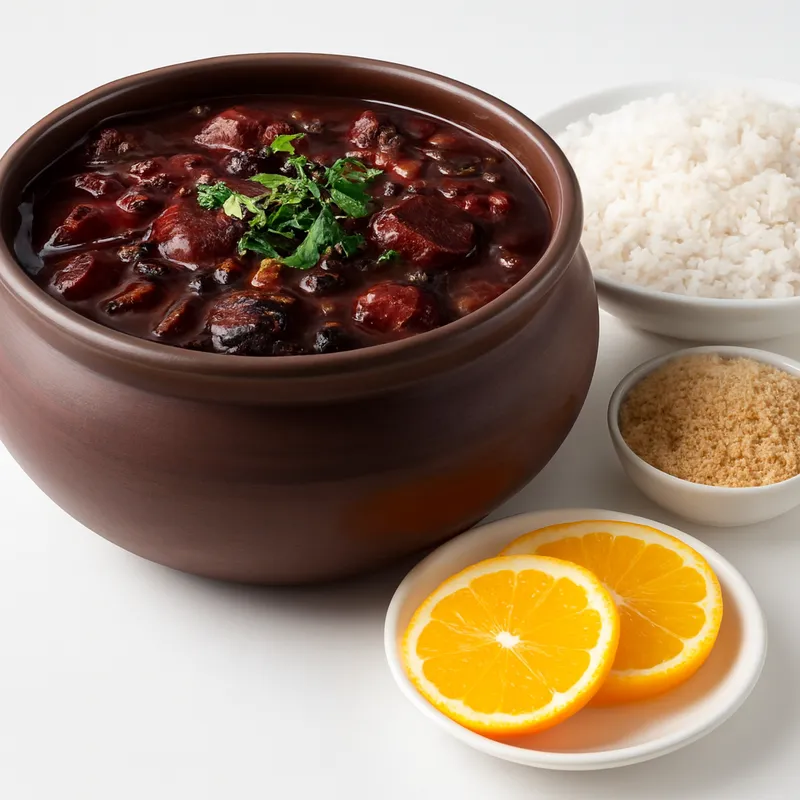
Used primarily as a flavoring agent, laurel enhances soups, stews, and braises, with its leaves releasing essential oils during cooking to impart a rich, aromatic quality.
Nutrition (per 100g)
313kcalCal
7.6gProtein
9.0gFat
50.0gCarbs
26.0gFiber
Values are AI-estimated, not from a laboratory database
Pairs well with
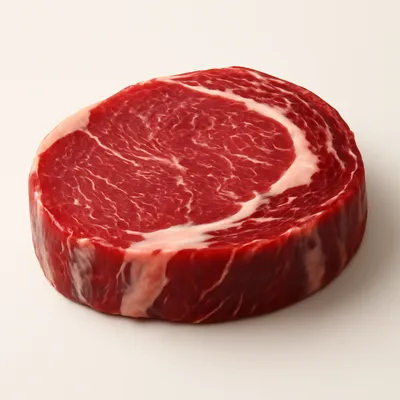
Beef
Simmer laurel with beef in a stew. The slow release of its oils adds depth, marrying with beef's richness.
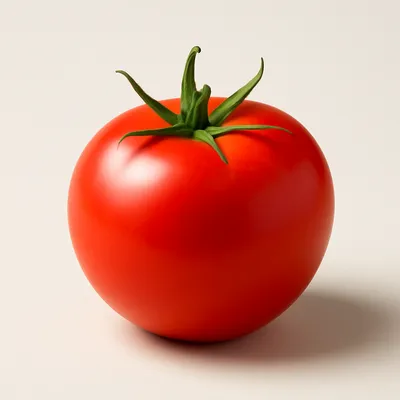
Tomato
Add laurel to tomato sauce early on. Its subtle aroma cuts through acidity, rounding out the sauce.
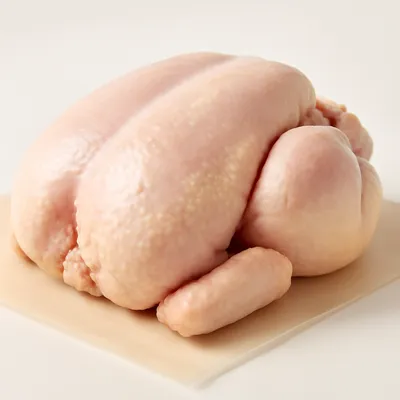
Chicken
Braise chicken with laurel. The leaves' fragrance infuses the meat, enhancing its natural sweetness.