
Rillettes de Tours are the protected, golden-brown reference style of potted pork from Touraine, drier and darker than the pale generic rillettes and the fattier Le Mans version. Noble cuts of pork are diced, salted, seared, then cooked uncovered in an open cauldron for at least six hours, finished with a high-temperature flash that browns the meat and gives a roasted, almost caramelised flavour. The fibres are pulled coarse rather than creamed smooth, so you can see the strands. Eaten cold, spread thick on bread or toast with cornichons and a glass of dry Touraine white.



Rillettes are an old Touraine farmhouse preparation, born as a way to preserve pork at the slaughter; the word is first attested in 1480, from the dialect 'rille' (a strip of pork). The Tours style is the one celebrated by writers born nearby — Rabelais called rillettes a 'brown pig jam', and Balzac praised the rillettes of his native Touraine. Town charcutiers in Tours formalised the recipe through the 19th century. Rillettes de Tours hold a Protected Geographical Indication (IGP), registered by the EU in 2013; the specification requires pork raised and slaughtered in the Indre-et-Loire department and neighbouring cantons, less fat and larger pieces than Le Mans, hence the characteristic darker colour. There is no single named inventor.
The colour is the tell — a deep roasted brown, not the cream-grey of supermarket rillettes. Spread it and you feel coarse strands, not a paste; the meat is dry-edged and savoury rather than slick with fat. A roasted, almost grilled note runs underneath, the work of that final high heat. Too pale and smooth means it was undercooked or over-fatted — not the Tours style at all.
The defining step is the open-cauldron cook followed by a high-temperature finish. Long, slow, uncovered cooking renders and drives off moisture; the final flash pushes the meat past simple confit into light Maillard browning, which builds the roasted flavour and the brown colour. Because less fat is used than in Le Mans, the strands stay defined and dry rather than dissolving into a smooth, pale spread. Crushing the fibres coarse — not whipping them — keeps the visible-strand texture the IGP demands.
Variations
The drier, browner Tours style stands opposite the paler, fattier rillettes of Le Mans and the Sarthe, which are not comparably protected. Rillettes can also be made from goose, duck, or rabbit, and the Loire has rillauds/rillons — larger cubes of confit pork belly — as a close cousin served warm or cold.
On the Palate
Where Rillettes de Tours sits in the French flavor cloud
Ingredients
Serves 8How it's made
8 steps · 30 min
- 115 min
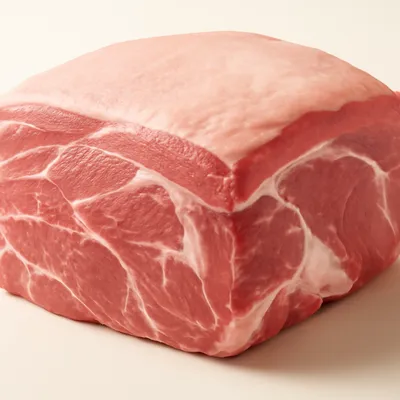
Dice pork shoulder and belly into large pieces, salt well, and leave to cure for a few hours.
- 215 min
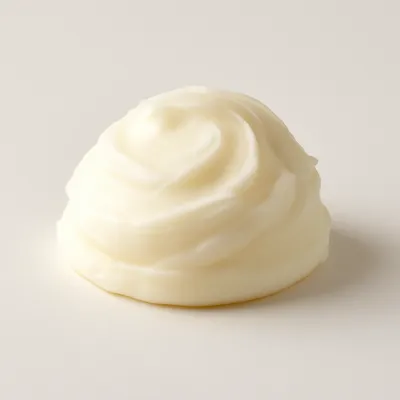
Render a little lard in a heavy open pot, add the pork, and sear the pieces.
- 3360 min
Cook uncovered over low heat for at least 6 hours, stirring, until the meat falls apart and the fat is clear.
Watch outThe fat runs from cloudy to clear and the meat starts falling apart on its own — that's the sign the long render is done.
- 420 min
Raise the heat at the end to lightly brown the meat for the roasted Tours flavour and colour.
Watch outWatch for the edges of the strands taking on a light brown and the smell turning roasty — pull it before it scorches.
- 515 min
Drain off excess fat, then crush and pull the meat into coarse strands with two forks.
- 610 min
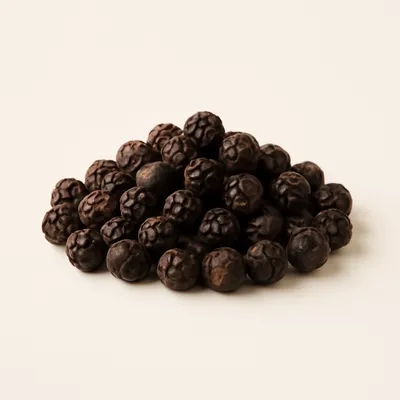
Season with pepper and a little of the reserved cooking fat; pack into pots.
- 710 min
Seal the surface under a thin cap of melted fat and chill thoroughly.
Watch outThe fat cap must fully seal the surface with no meat poking through, or that spot will spoil first.
- 85 min
Serve cold with bread, cornichons, and dry white wine.
Archive tool suggestions — not reviewed
These legacy suggestions have not been evidence-reviewed and are not presented as required tools.



