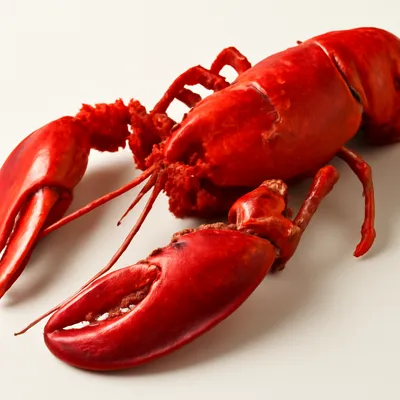
Aragosta alla Catalana is the signature dish of Alghero, the Catalan-speaking town of northwest Sardinia. A spiny lobster is boiled, cooled and served cold in its own split shell, dressed with nothing more than ripe tomato, sweet red onion, olive oil, lemon and pepper. The restraint is the point: the sweet, briny lobster meat is left to speak, lifted by the acidity of lemon and the crunch of raw onion. It carries the four-century Catalan-Aragonese legacy of Alghero, and its modern restaurant form is traced to around 1960.



The dish is rooted in the history of Alghero, founded in the early twelfth century by the Genoese Doria family and taken by the Crown of Aragon in 1353; the following year the town was emptied and repopulated with Catalans, who alone were allowed to live inside its walls. Four centuries of Catalan rule left the language, customs and cooking that still earn Alghero the nickname Barceloneta, little Barcelona. The Catalan settlers brought the habit of pairing noble crustaceans with fresh vegetables and an oil-and-lemon dressing, and fishermen later made the dish their own. Its modern codified form is generally attributed to the innkeeper of the Trattoria La Lepanto in Alghero around 1960, who built it around the local spiny lobster, Sardinian red onion and small tomatoes; the lobster is boiled about thirty minutes per kilo, rested, then split and dressed cold.
Cold lobster meat, firm and sweet with a clean brine, comes dressed in the loose salsa of tomato and raw onion; each forkful balances the richness of the flesh against the sharp lift of lemon and vinegar and the sweet bite of onion, finished with the grassy weight of good olive oil.
Cooking the lobster whole in its shell, then cooling it before dressing, is what keeps the meat sweet and firm. Boiling for roughly thirty minutes per kilo sets the muscle proteins just to the point of opacity; pulled at once and rested, the flesh reabsorbs its juices instead of drying. Cooling matters chemically as well as for texture: chilled lobster reads as sweeter because cold suppresses bitterness and dampens the aromas of cooked shellfish, while the raw onion, softened only by the acid of lemon and vinegar, keeps its crunch and pungency. The oil coats each piece and carries the fat-soluble aromatics, tying the cold salsa to the meat.
Variations
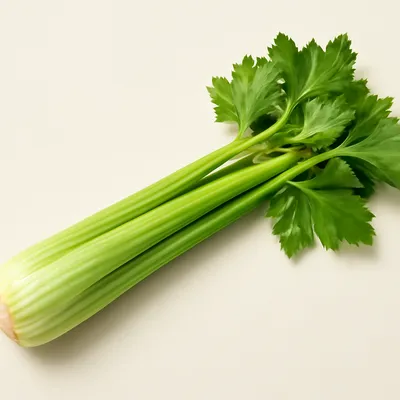
Alghero cooks vary the salsa: some keep it to tomato and onion, others add a fine julienne of celery heart, and La Lepanto has served a version with Tropea onion, orange and red-wine vinegar. A separate house style, aragosta all'algherese, dresses the meat with a sauce worked from the coral and tomalley in the head, spooned alongside the oil-and-lemon emulsion. Beyond Alghero the dish is plated with the whole split shell as a centrepiece, the tail meat sliced back over its own carapace.
On the Palate
Where Aragosta alla Catalana sits in the Italian flavor cloud
Ingredients
Serves 2

How it's made
8 steps · 30 min
- 110 min
Bring a large pot of well-salted water to a rolling boil.
- 230 min
Plunge in the live spiny lobster and cook about thirty minutes per kilogram, until the shell is bright red.
Watch outThe shell turning bright red is your cue it's done — pull it at once, since a few minutes over toughens the sweet tail meat.
- 35 min
Lift the lobster out and let it rest about five minutes at room temperature.
- 48 min
Split it lengthwise, crack the claws and legs, and lift the tail meat out whole; reserve any coral from the head.
- 55 min
Slice the tail meat into medallions and arrange it back over the split shell.
- 66 min
Cut ripe tomatoes and sweet red onion into thin strips, adding a fine julienne of celery heart if you like.
- 73 min
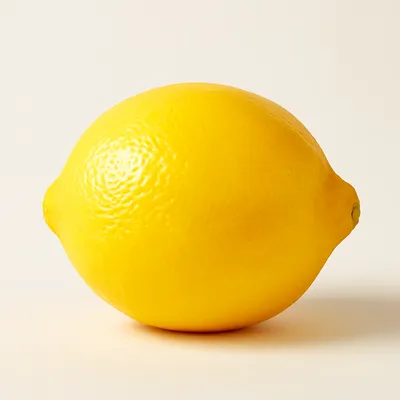
Whisk olive oil with lemon juice, a little vinegar, salt and pepper into a loose emulsion.
Watch outWhisk the oil into the lemon and vinegar until it just thickens and clouds — that loose emulsion clings to the lobster instead of sliding off.
- 83 min
Toss the tomato, onion and celery in the dressing, spoon over the cold lobster, and serve chilled.
Archive tool suggestions — not reviewed
These legacy suggestions have not been evidence-reviewed and are not presented as required tools.



