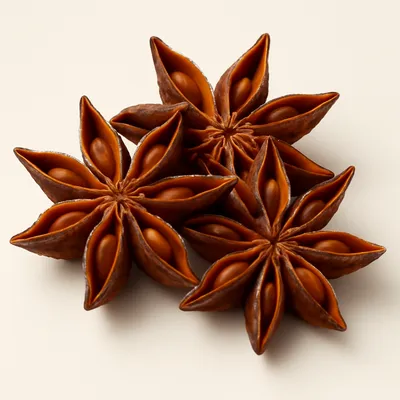
Anise-based liqueur flavoured chiefly with star anise (elderflower is optional and not part of the legal definition), 38–42% ABV, served con la mosca — three floating coffee beans set alight or chewed.


Civitavecchia, Lazio, 1851. Luigi Manzi began producing anise liqueur the name's origin is disputed — the Latin sambucus (elder) is one theory, but Molinari itself attributes it to the Arabic 'zammut', an anise drink imported through the port of Civitavecchia, and a third theory cites the 'sambuchelli' anise-water sellers. The modern brand Molinari Sambuca launched in 1945; the three-bean ritual dates to that post-war era — beans symbolise health, happiness, prosperity.
Black sambuca (Opal Nera, launched 1989) is dyed with elderberry concentrate, not anise — a marketing variant. Red sambuca uses pomegranate. Both are post-1980s; the only traditional style is clear.
Crystal clear, syrupy in the glass, sweet aniseed up front, then licorice root and a faint floral note from elder. Three coffee beans float on top; chew them between sips for bitter contrast. Served neat or flamed.
Anise oil contains anethole, which clouds when water is added — the louche effect. The high sugar load (350g/L+) suspends the oils; without it, sambuca would separate. Flaming briefly burns off surface alcohol and toasts the coffee oils.
Variations
Sambuca Molinari Extra is the bartender benchmark; Vaccari is sweeter, marketed as the lounge version. Romana Sambuca, owned by Diageo since 2006, dominates UK and US export. Lazio home distillers add saffron threads or fennel seed.
On the Palate
Where Sambuca sits in the Italian flavor cloud
Ingredients
Serves 1How it's made
4 steps · 11 min active + 44 days waiting
- 143200 min
Macerate 50 g star anise + 20 g elderflower + 5 g coriander in 1 L neutral spirit 30 days.
Watch outMacerate the full 30 days — the anise needs the time to give up its anethole, the oil that clouds the drink when water hits it.
- 210 min
Strain; add 800 g sugar dissolved in 600 ml water.
- 320160 min
Rest 2 weeks; filter; bottle at 38–42% ABV.
Watch outKeep the sugar high — 350 grams a litre and up — it's what holds the anise oils in suspension; skimp and the sambuca separates.
- 41 min
Serve in small glass with 3 floating coffee beans (con la mosca).
Watch outFloat exactly three coffee beans and flame it briefly — the quick flame toasts the bean oils and burns off the surface alcohol, no more.