Anise-scented fried sweets from the province of Reggio Calabria, made from a simple dough of flour, eggs, sugar, oil, and wine, rolled into ropes and wound around a wooden spoon handle into an elongated, spiralled cradle shape. Before frying, each piece is pressed over a loom-comb to raise the fine ridges that hold the sugar. Their name comes from naca, dialect for cradle, and they are made in the week before Christmas across the Locride and around Polistena.




The nacatole are held to be of Byzantine origin, their name drawn from naca, the Calabrian-Greek word for cradle, and their spiralled, ellipsoidal form read as the crib of the infant Jesus. They belong above all to the province of Reggio Calabria, the Locride, the Piana di Gioia Tauro, and the Vibonese, with the town of Polistena claimed as their home, and they are listed by the Italian agriculture ministry among the nation's traditional agri-food products. Made by hand a week before Christmas as a sign of good wishes, they once served as wedding favours given by the betrothed to kin, symbolising marriage and the hope of children.
Crisp and light, shattering cleanly at the ridges before giving way to a dry, biscuity interior. The flavour is gentle: egg-rich dough, a clean sweetness from the sugar coating, and the cool liquorice note of anise running through, while the fine grooves catch cinnamon sugar so that each bite starts sweet and spiced at the surface. They are dry-keeping sweets, made to be dipped in dessert wine or eaten with milk.
Wine and oil in the dough tenderise it: the alcohol and fat interfere with gluten so the fried sweet stays crisp rather than hard. Winding the rope thin and open, then combing in ridges, greatly increases surface area, so that when the pieces meet oil at about 170 °C the surface water flashes to steam, driving fast dehydration and a light, crisp crust while the anise oils volatilise into aroma. Maillard browning between egg proteins and sugars gives the pale-gold colour. The ridges do double duty, adding more crisp edges and leaving a rough surface for cinnamon sugar to cling to as the pieces cool.
Variations
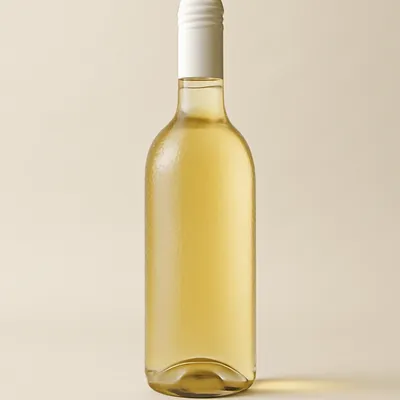
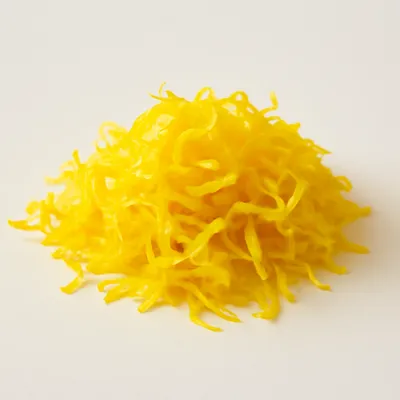
Some cooks leaven the dough with yeast for a lighter bite, others keep it unleavened and crisp; wine may be red or white, and milk sometimes replaces part of it. Anise appears as seeds or as liqueur, occasionally alongside lemon or orange zest. Finished pieces are tossed while warm in cinnamon sugar, dusted with plain sugar, or drizzled with honey. Local names shade into nacatuli, nacatedde, and nacatuli i Natali, and a crisper almond version is made around Polistena.
On the Palate
Where Nacatole sits in the Italian flavor cloud
Ingredients
Serves 8

How it's made
8 steps · 40 min
- 110 min
Dissolve the yeast and a little sugar in 50 ml warm water; leave until foaming, about 10 minutes.
- 215 min
Mound the flour and make a well; add the eggs, sugar, white wine, olive oil, anise, grated lemon zest, a pinch of salt, and the yeast water. Knead to a smooth, firm, elastic dough.
- 3120 min
Cover and leave to rest and rise about 2 hours, until relaxed and slightly puffed.
- 410 min
Pinch off small pieces and roll each into a thin rope, like thin spaghetti.
- 520 min
Wind each rope closely around a floured wooden spoon handle or thin cane to form an elongated, spiralled cradle.
Watch outWind the rope thin and open around the handle — packed tight it fries dense and hard instead of light and crisp.
- 615 min
Roll the wound dough firmly over a loom-comb or the tines of a fork to press in fine ridges, then slide it off the handle.
- 712 min
Deep-fry in oil at about 170 °C, roughly 5 minutes each side, until light golden-brown; lift out and drain.
Watch outFry at a steady moderate heat to pale golden-brown — too hot and the ridged surface browns before the inside crisps.
- 85 min
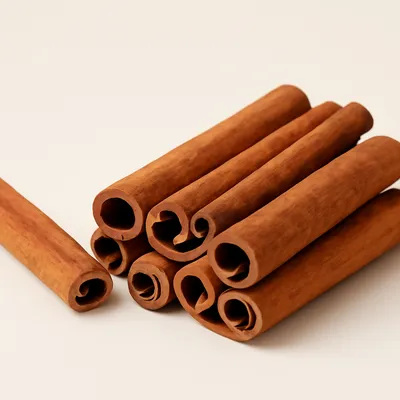
While still warm, toss the nacatole in sugar mixed with ground cinnamon.
Archive tool suggestions — not reviewed
These legacy suggestions have not been evidence-reviewed and are not presented as required tools.


