
A Perugian Christmas dish, also called parmigiana di gobbi, that turns the bitter cardoon into a rich baked gratin. The cardoon ribs are stripped of their fibrous strings, boiled in lemon water, dipped in flour and beaten egg and fried, then layered in a dish with a meat ragù and grated Parmigiano and baked until a golden crust forms. The cardoon — gobbo in dialect, a leaf-stalk relative of the artichoke — is at its best after the first frosts, which places the dish squarely on the Christmas Eve and holiday table of Perugia and Umbria. A laborious, festive secondo built around a humble winter vegetable.
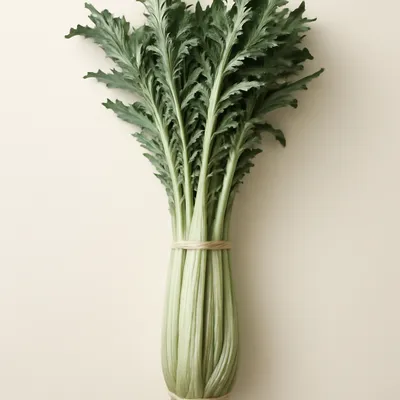


Cardi alla perugina is recorded as an Umbrian dish in its own right — the regional kitchen knows it as the parmigiana di gobbi, the cardoons boiled, floured-and-egged, fried, then layered with meat sauce and Parmigiano and baked to a crust — and at the same time it is a living home tradition of the Perugia Christmas table. It is most firmly a festive dish: cookbooks and regional sources tie it to Christmas and Christmas Eve across Umbria, helped by the cardoon's season, since the stalks sweeten after the first frosts and arrive just in time for the holidays. Its codification is shallow rather than deep — there is no historic cookbook author behind the Perugian baked version, and the richest detail, such as enriching the ragù with chicken giblets, comes from family recipes that vary household to household, so it is best taken as a documented regional dish carried above all by home cooks. The cardoon itself is gobbo, 'hunchback', from the way the plant is bent over and earthed up so the blanched stalks swell and curve. No DOP, IGP or PAT covers an Umbrian cardoon — the protected Cardo Gobbo di Nizza Monferrato, eaten raw in bagna cauda, is a separate Piedmontese product and tradition.
Under a craggy, golden-brown gratin crust, the cardoon ribs are soft and yielding, somewhere between artichoke heart and braised celery, with a clean vegetal bitterness that the boiling and the first frosts have tamed. Against that faint bitterness the dish is all richness: the savoury meat ragù soaked into the fried, egg-coated stalks, the nutty salt of Parmigiano, the crisp browned top. It is a generous, comforting, deeply festive plateful — the kind of dish a household makes once a year and remembers. Underdone, the cardoon stays stringy and harshly bitter; done right, the ribs are tender and almost sweet beneath the meaty crust.
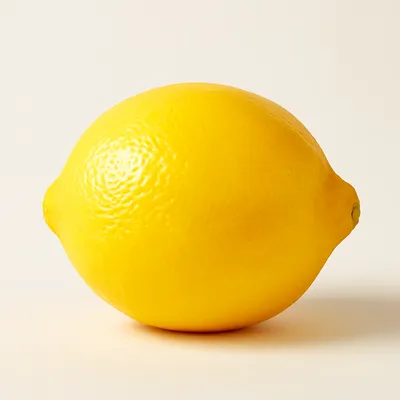
The cardoon is the work: each rib must be stripped of its tough outer strings, and it browns and bitters fast once cut, so it is dropped into acidulated water — lemon juice — which slows the oxidation that would turn the pale flesh dark and harsh. Boiling first does two things: it cooks the dense, fibrous stalk to tenderness, since it will not soften enough in the oven alone, and it leaches out some of the cardoon's bitterness into the water. The flour-and-egg coating, set by frying, seals the boiled ribs and gives them a savoury, golden surface that holds up to the wet ragù without going to mush, and adds richness. Layering and baking then works like any gratin: the meat sauce flavours the cardoons through, the Parmigiano on top melts and browns through the Maillard reaction into a crisp, deeply savoury crust, and the dish heats through into one tender, unified bake. Frost matters before any of this — cold converts some of the stalk's starch to sugar and softens its fibre, which is why winter cardoons are sweeter and less bitter than autumn ones.
Variations
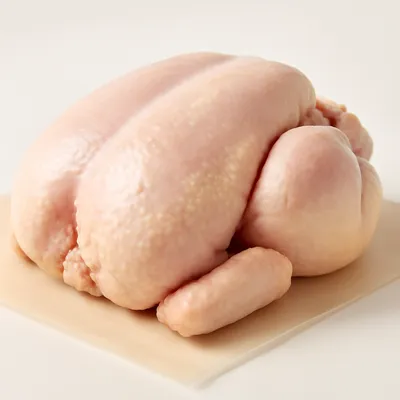
The biggest fork is in the sauce and the binding: many cooks use a plain meat-and-tomato ragù, while a traditional Perugian touch enriches it with chicken giblets, and sometimes a little sausage, cooked into the sauce. There is a version in bianco, made without tomato and sometimes bound with béchamel, alongside the red-ragù parmigiana. The cardoons may be deep-fried after their flour-and-egg coat, oven-roasted for a lighter result, or simply boiled and layered without frying at all. The dish is a baked cousin of the simpler gobbi in umido, cardoons stewed in tomato sauce in a pan, and a world away from the Piedmontese cardi alla bagna cauda, where the raw ribs are dipped in hot anchovy-and-garlic oil. Town-by-town distinctions within Umbria are not well documented and are better treated as household variation.
On the Palate
Where Cardi alla Perugina sits in the Italian flavor cloud
Ingredients
Serves 6



How it's made
7 steps · 1 hour 10 min
- 130 min
Trim the cardoon ribs, peel away the tough outer strings, and cut into finger-length pieces, dropping them straight into water acidulated with lemon juice to stop browning.
Watch outDrop the cut cardoon straight into lemon water — it browns and bitters fast once cut, and the acidulated water is what keeps the pale flesh from turning dark and harsh.
- 220 min
Boil the cardoons in salted, lemoned water until tender enough to pierce easily, then drain and pat dry.
Watch outBoil the cardoons until a knife pierces them easily — the dense fibrous stalk won't soften enough in the oven alone, and boiling also leaches out some bitterness.
- 330 min
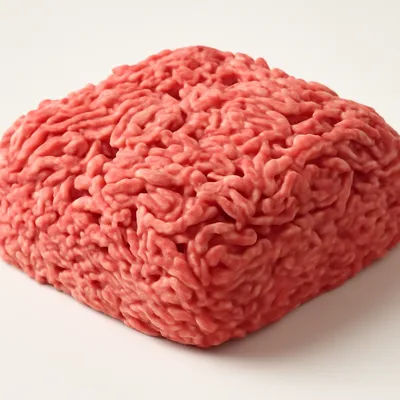
Meanwhile, make a meat ragù: soften a soffritto in oil, add minced meat (and chicken giblets, if using), brown it, then add tomato and simmer until thick.
- 415 min
Dip the boiled cardoon pieces in flour, then in beaten egg, and fry in hot oil until golden; drain on paper.
Watch outFry the floured-and-egged pieces until golden — the set coating seals the boiled cardoon so it holds up under the wet ragù instead of going to mush.
- 510 min
Layer the fried cardoons in a buttered baking dish, alternating with the ragù and a scattering of grated Parmigiano.
- 62 min
Finish with a layer of ragù and a generous dusting of Parmigiano on top.
- 730 min
Bake in a hot oven until heated through and the surface is golden and crusted; rest a few minutes before serving.
Archive tool suggestions — not reviewed
These legacy suggestions have not been evidence-reviewed and are not presented as required tools.


