
The signature dish of Cogne, a mountain village at the foot of the Gran Paradiso in the Valle d'Aosta, and known in patois as Seupa de Cogne. Rice is simmered in broth and milk until soft and creamy, then layered in a deep dish with slices of toasted stale white bread and abundant Fontina, baked until the cheese melts through and the top sets into a golden crust, and finished with butter browned with garlic and sage. Despite the name «seupa» (soup), it sets into a dense, spoonable bake rather than a liquid. It is whiter and richer than the region's other layered soup, the cabbage-and-rye Zuppa alla Valpellinentze, and reads as a Sunday or feast-day dish rather than everyday fare, since rice was a costly lowland import at this altitude.


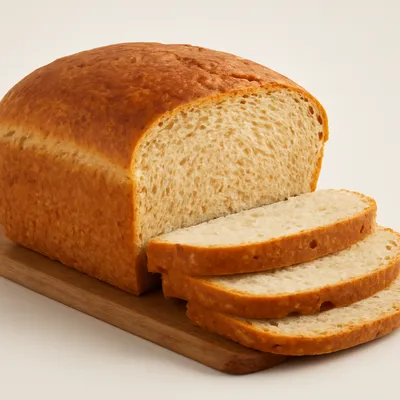



Seupetta di Cogne is documented as the specialty of Cogne, a commune of about 1,400 people in the Gran Paradiso massif, and appears in the regional and Slow Food literature on Valdostan cooking as a village dish of the upper valley. Like most Alpine peasant cooking its exact origin is unrecorded and it has no single inventor or founding year; it grew out of the local larder rather than a kitchen or a date. What distinguishes it within that tradition is the rice. Where the everyday mountain soups leaned on rye, barley, chestnuts and stale bread — the grains and stores that survived the high fields — rice was a costly import carried up from the Piedmontese plain, so a bake built on it read as richer Sunday or feast fare rather than true cucina povera. It rests on the valley's defining dairy: Fontina, the raw cow's-milk cheese documented in the Valle d'Aosta since at least the 15th century and granted DOP status in 1996, together with the mountain butter that, browned with sage, crowns the dish.
Thick and set, not soupy — a spoon stands in it. The top is a burnished, chewy crust of baked Fontina; beneath it the rice and dissolved bread have merged into a soft, creamy mass laced with strings of melted cheese, milder and whiter than its cabbage cousin. The flavour is rich and lactic from the Fontina and the milk, savoury underneath from the broth, and crowned by the toasted-nut, slightly bitter scent of butter browned with sage and garlic. A good one is moist and unctuous yet holds a cut edge; a poor one turns either loose and porridgy from too much liquid, or dry and rubbery if the rice was overcooked or the cheese skimped.
The bake works on two starches at once. Rice simmered in broth and milk sheds amylopectin, the branched starch that thickens a risotto, and that released starch sets the whole into a creamy, sliceable body rather than loose grains. The stale bread is a sponge of dehydrated starch: it drinks up the surrounding liquid, swells and gelatinises, and binds the layers so they hold together when cut. Fontina is one of the great melting cheeses — young, moist and low in acid — so it flows and binds rather than tightening into rubber, and where it meets the oven's dry heat its proteins and sugars brown through the Maillard reaction to give the prized crust. The same reaction works in the pan as the butter is browned: its milk solids toast to nutty, faintly bitter aromatics that lift the dish. Baking rather than stovetop simmering drives off excess liquid and sets the bake — the structural opposite of the cabbage-and-rye Valpellinentze, which leans on rye starch, long-cooked Savoy cabbage and beef broth, where this leans on rice starch, milk and browned butter.
Variations
Recipes differ in the liquid — some cooks use all broth, others part milk or cream for a whiter, richer result — and in whether the rice is parboiled separately or simmered to creamy in the pot first. The bread is plain stale white loaf, dried or toasted so it holds up; the cheese is properly Fontina Val d'Aosta, though a little toma is sometimes worked in. The finishing butter is browned with sage, often with a clove of garlic, and some households fold in nutmeg. It belongs to the wider Alpine family of layered bread-and-cheese bakes and sits alongside the valley's other Fontina dishes — fonduta, polenta concia, and its better-known cousin the Zuppa alla Valpellinentze.
On the Palate
Where Seupetta di Cogne sits in the Italian flavor cloud
Ingredients
Serves 6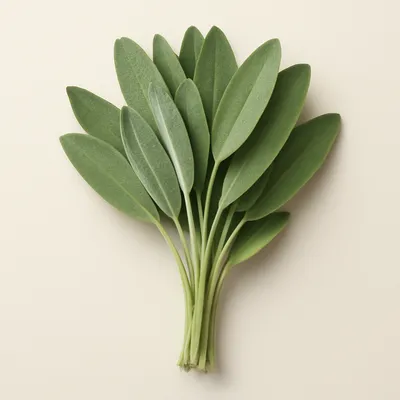



How it's made
8 steps · 35 min active + 35 min waiting
- 120 min
Bring beef broth and milk to a gentle simmer; tip in the rice and cook, stirring now and then, until soft and creamy and most of the liquid is absorbed, about 18-20 minutes, keeping it a little loose.
Watch outKeep the rice a little loose — most liquid absorbed but still creamy; cooked dry it won't bind the layers into a sliceable body.
- 28 min
Meanwhile slice stale white bread and dry or lightly toast the slices so they will hold up to the moisture.
- 34 min
Slice the Fontina thinly so it will melt evenly through the layers.
- 410 min
Butter a deep baking dish and build it up in layers: a little of the creamy rice, a layer of bread, a generous layer of Fontina; season lightly with salt, pepper and a grating of nutmeg, and repeat, finishing with rice topped by Fontina.
Watch outSlice the Fontina thin so it melts evenly through every layer — thick slabs stay gummy in the middle instead of flowing and binding.
- 530 min
Bake in a hot oven at about 200°C until the cheese has melted through and the top is golden and crusted, about 25-30 minutes.
- 65 min
Near the end, melt the butter in a small pan with a clove of garlic and a few sage leaves and cook until it turns golden-brown and smells nutty, then discard the garlic.
Watch outCook the sage butter to golden-brown and nutty — pull it there; past that it burns and turns acrid.
- 71 min
Pour the browned sage butter over the finished bake.
- 84 min
Let it settle for a few minutes so it firms up, then serve hot, scooped from the dish.
Archive tool suggestions — not reviewed
These legacy suggestions have not been evidence-reviewed and are not presented as required tools.


