
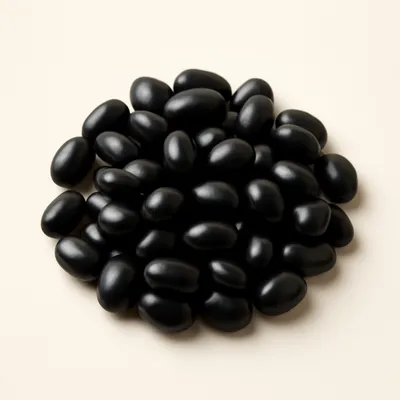
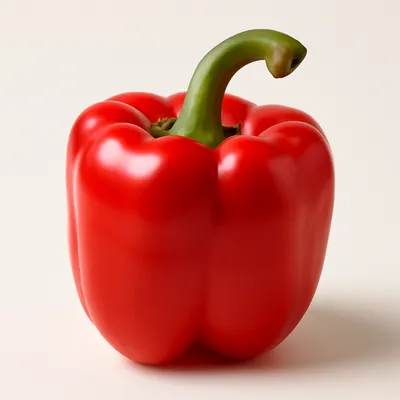
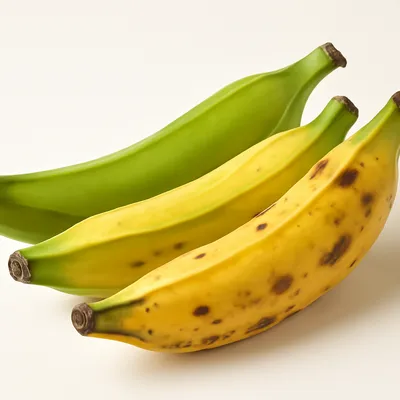
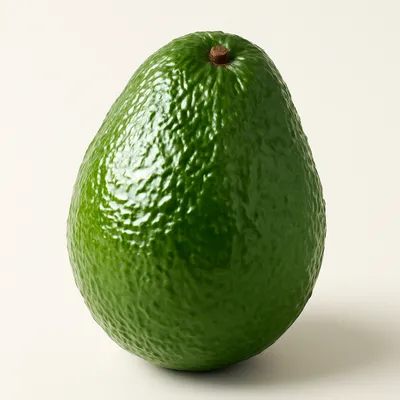
Day-old rice stir-fried with cooked black beans and a finely-diced sofrito of bell pepper, onion, garlic, and cilantro, finished with a generous shake of Lizano sauce — the entire pan turns dark purple-brown from the bean liquid. Served with scrambled or fried eggs, fried sweet plantain (maduros), sour cream, and a wedge of avocado or white cheese. The Costa Rican national breakfast.
Gallo pinto ('spotted rooster' — named for the speckled appearance of rice and beans together) is shared with Nicaragua, where it's also the national dish — the two countries occasionally argue who invented it. The dish itself is a colonial-era fusion: Spanish-introduced rice, Mesoamerican beans, and the West African 'rice-and-legumes in one pot' technique carried by enslaved Africans, part of a wider Atlantic family of rice-and-beans dishes. Costa Rica's version uses black beans (sometimes red) and Lizano sauce; Nicaragua's traditionally uses red beans with the rice fried loose and separate. The Lizano sauce addition is uniquely Costa Rican: it was created in 1920 by Próspero Jiménez in a small cantina in Alajuela (originally as an attempt to improve Worcestershire sauce) and took the surname of Próspero Lizano, to whom Jiménez gave the recipe. Every Costa Rican household has gallo pinto at least 4 mornings a week; many have it daily.
First forkful: dark-glossy rice and bean mix, individual grains visible but coated in the bean liquid that's purple-brown from the bean cooking. Lizano's tang hits first — sweet-savory-vinegary with the cumin-paprika base. Cilantro is fresh-bright behind. Combined with the egg, the sweet plantain bite, the cool avocado, the natilla swipe — that's Costa Rican breakfast. Each component plays a role; gallo pinto alone is incomplete.
Day-old rice is essential — the starch in freshly-cooked rice is too sticky for proper stir-frying; refrigeration retrogrades the starch, making grains separate. Cooking sofrito in oil first builds flavor base via Maillard. Mashing a few beans against the pan releases starch that bonds the rice and beans together — without it, rice and beans stay visually separated. Lizano sauce contributes both flavor and a small amount of additional thickening pectin from its vegetable base.
Variations
Caribbean-coast version (Puerto Limón) uses coconut milk and red beans (rather than black + Lizano) for a richer sweet-savory dish — distinct enough to be a different dish (rice and beans Caribbean-style). Mid-week home version uses canned black beans with their liquid. Sunday-luxury version adds a piece of grilled chorizo or beef. Vegan version skips egg and adds toasted pumpkin seeds.
On the Palate
Where Gallo Pinto sits in the Costa Rican flavor cloud
Use day-old rice and mash a few beans against the pan — that released starch is the only thing that bonds rice and beans into one dish instead of a scatter of two.
Ingredients
Serves 4









How it's made
8 steps · 25 min active + 5 min waiting
- 13 min
Best with day-old cooked rice (fresh rice clumps; day-old separates cleanly into individual grains). If using fresh rice, spread on a tray and chill 30 min.
- 295 min
If starting from dry beans: soak 250 g black beans overnight. Drain. Simmer with 4 cups water + 1 bay leaf + ½ onion + 2 garlic + 1 tsp salt for 90 min until tender. Reserve cooking liquid. Drain, keeping beans separate from liquid.
- 37 min
Sofrito: heat 3 tbsp vegetable oil in a wide skillet over medium. Add ½ chopped red bell pepper + 1 small chopped onion + 2 chopped garlic + 2 tbsp chopped fresh cilantro stems. Sauté 5 min until softened.
- 44 min
Add 2.5 cups cooked black beans (with about 4 tbsp of their cooking liquid). Cook 3 min, mashing a few beans against the pan with the back of a spoon to release starch.
Watch outAs you mash the beans, the pan liquid turns thick and glossy — that starch is what will grip the rice.
- 53 min
Add 3 cups day-old cooked rice. Stir to coat in the bean mixture — rice will absorb the bean liquid and turn dark.
Watch outKeep tossing until every grain has taken on the dark bean color, no white rice showing.
- 65 min
Stir in 3-4 tbsp Lizano sauce (start with 3, taste, add more) and ½ tsp salt. Toss everything together over medium heat 3 min until uniformly distributed and warmed through.
Watch outThe rice should look glossy and evenly speckled — the 'spotted rooster' look — before you pull it.
- 72 min
Off heat, stir in 3 tbsp chopped cilantro leaves.
- 88 min
Serve immediately with: 1 fried or scrambled egg per person, slices of fried ripe plantain (maduros — pan-fried 3 min per side), a wedge of avocado, a spoon of natilla (sour cream), and corn tortillas. Hot black coffee alongside is mandatory.


