

From the city of Puebla, late-19th to early-20th century, when Lebanese and Italian immigration brought the egg-and-sesame bread style that became the cemita. The bread's ancestry is principally Iberian, descending from colonial-era tribute breads and the Sephardic "semita" unleavened bread brought into Spain; the popular link to "semita"/"Semite" and Lebanese immigrants is generally regarded as a folk etymology arising from the words' resemblance. Street vendors in Puebla's Mercado del Carmen and Mercado Hidalgo formalized the loaded version in the early 20th century, and papalo specifically — an herb wild in the Puebla valley — anchors it as Pueblan rather than generic Mexican.
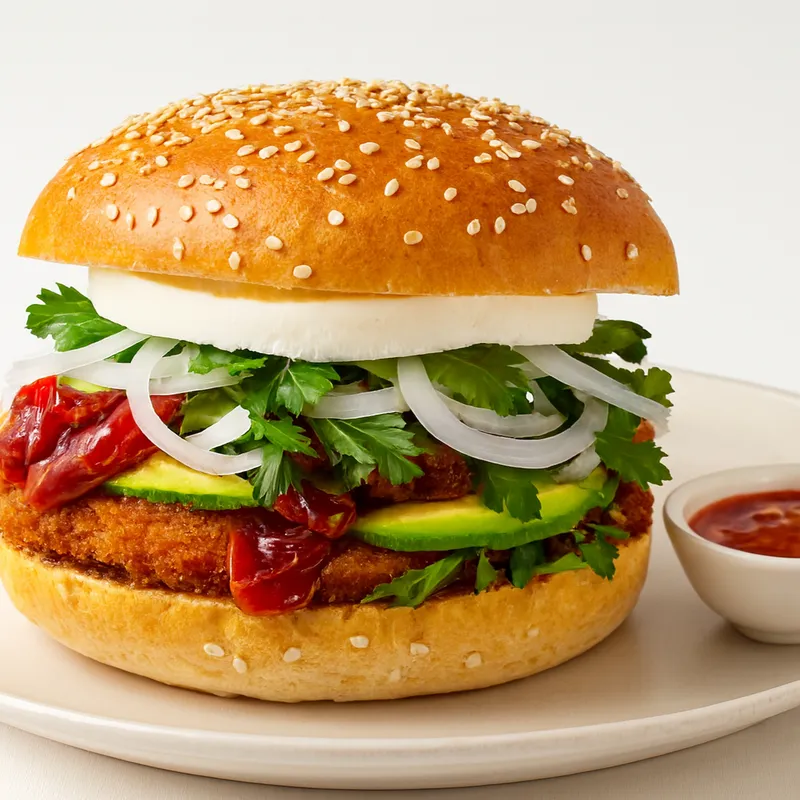
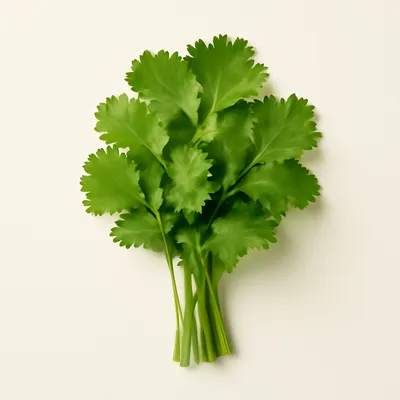
Puebla's egg-and-sesame brioche bun, layered with breaded milanesa, chipotle adobo, avocado, quesillo, and pápalo (a coriander-tasting herb that won't survive cooking). Pápalo is load-bearing; without it, just a torta.
A round egg-rich sesame-crusted bun, split, layered with thin-pounded breaded pork (milanesa) or chicken, sliced avocado, white quesillo cheese in long strands, papalo leaves (an herb that tastes like cilantro crossed with arugula), and chipotle in adobo. The bun is firmer than a torta roll — it has to be, or the chipotle's oil and avocado collapse it. Eaten by hand; first bite tells you whether the papalo is fresh.
Papalo (Porophyllum ruderale) is non-substitutable — its leaves contain limonene and beta-myrcene that fall off as soon as you cook them, so it must go in raw at assembly. Most "cemitas" outside Puebla swap in cilantro, which gets the cuisine wrong: papalo's pungency is what stands up to the chipotle's smoke and the milanesa's fry oil. The bread is enriched with egg yolk and lard for structure: torta rolls go soggy under chipotle adobo; cemita bread holds.
Variations
Cemita de milanesa (breaded beef, canonical); de pierna (slow-cooked pork leg); de carne enchilada (chile-rubbed beef); modern Puebla shops add jamón and queso de puerco; pápalo is non-negotiable in any version.
On the Palate
Where Cemitas Poblanas sits in the Mexican flavor cloud
Ingredients






How it's made
5 steps · 1 hour 30 min
- 19 min
Begin by preparing the cemita bread dough with wheat flour, egg, and salt, allowing it to rise before baking until golden and sprinkled with sesame seeds.
- 221 min
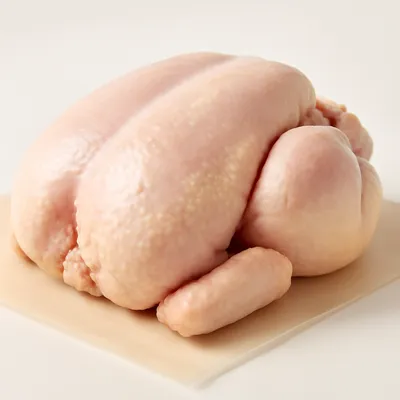
Poach the chicken until tender, then shred finely.
Watch outPoach the chicken just until it shreds easily and the juices run clear; pull it the moment it's tender so it doesn't go stringy and dry.
- 317 min
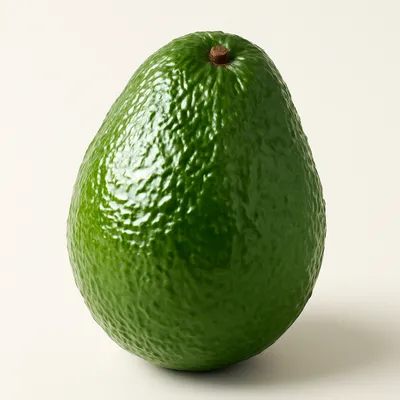
Slice the avocado and onion thinly, and set aside.
- 421 min
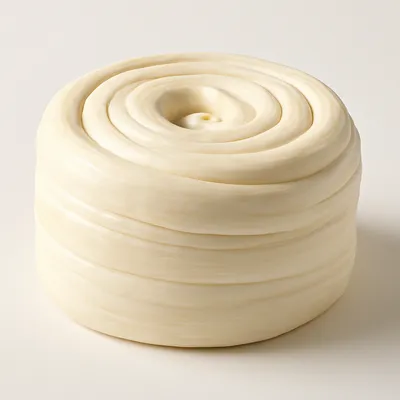
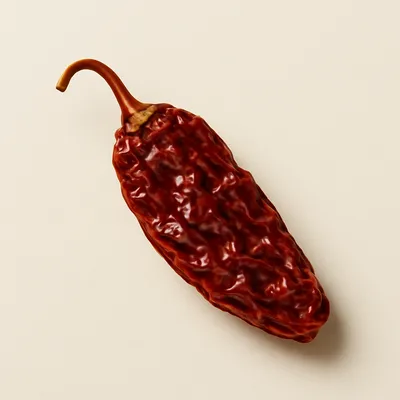
Assemble the cemita by layering the shredded chicken, creamy avocado, stringy quesillo, smoky chipotle slices, fresh papalo, and onion inside the sliced bread.
Watch outLayer everything cold and raw at assembly — chicken, avocado, quesillo, chipotle, and especially the papalo and onion go in without any further cooking.
- 521 min
Press the assembled cemita lightly to meld the flavors before serving.
Archive tool suggestions — not reviewed
These legacy suggestions have not been evidence-reviewed and are not presented as required tools.