
A thick chocolate atole made from corn masa cooked into water with Mexican drinking chocolate (Ibarra), piloncillo, cinnamon, and aniseed — drunk hot at dawn or at Christmas with tamales.





Champurrado descends from atole, the pre-Hispanic corn drink of central Mexico (Mexica name: atolli). The colonial overlay is the chocolate — once the Spanish made cacao a sweetened, cinnamon-spiced product after 1521, atoleras began stirring it into atole, and the hybrid was named champurrado from a Spanish verb for «mix together». It is sold from clay pots at street stalls before sunrise alongside tamales, and it is essential to Mexican Christmas celebrations from Las Posadas through Día de los Reyes.
Atole's post-1521 spinoff — Mexica corn drink stirred with the new Spanish-sweetened cacao. Two structural ingredients: nixtamal masa harina (toasted-tortilla aroma) and Ibarra chocolate (coarse-ground with sugar and cinnamon, made to melt). The molinillo's foam is part of the serve.
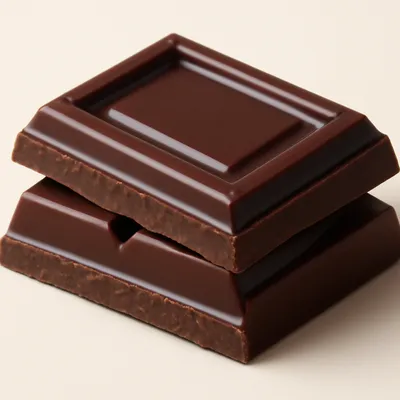
Thick enough to coat a spoon and barely lift it. The first sip is hot piloncillo and cinnamon, then chocolate that tastes nothing like cocoa powder — Ibarra is coarse-ground with sugar baked in, so you can sometimes feel the grit on your tongue. Underneath it all the toasted-corn aroma of masa, which is what separates atole and champurrado from any other hot chocolate. Drunk standing on a cold morning, paired with a steaming tamal pulled apart in the other hand.
Two specific ingredients carry the dish. First, masa harina — corn nixtamalized with calcium hydroxide, then dried and ground. Nixtamal releases bound niacin and changes the corn aroma to that toasted-tortilla scent; ordinary cornmeal cannot substitute. Second, Ibarra/Abuelita chocolate — coarsely ground with sugar, cinnamon, and almond, designed to be melted into liquid, not eaten. The molinillo's whisking aerates the dissolved cocoa fat into a foam that sits on the surface and is part of how a proper champurrado is served.
Variations
Mexico City street version is thinnest and chocolate-forward; Oaxaca champurrado adds local criollo cacao and is grittier; Michoacán mixes in atole de guayaba; Veracruz coastal version cuts sugar and adds vanilla bean.
On the Palate
Where Champurrado sits in the Mexican flavor cloud
Ingredients
Serves 4
How it's made
5 steps · 25 min active + 5 min waiting
- 110 min
In a small pan toast 1 cinnamon stick (canela de Ceylon, the soft flaky kind) and 1 tsp aniseed dry over medium-low for 90 seconds until fragrant. Tip into a pot with 1 litre water and 50g piloncillo (or dark muscovado). Bring to a simmer 8 minutes to dissolve the sugar and infuse the spice.
Watch outCassia cinnamon (the hard reddish stick from supermarkets) is the wrong cinnamon — too harsh. Look for the fragile, layered Ceylon kind.
- 24 min
In a separate bowl whisk 80g masa harina (nixtamalized corn flour, e.g. Maseca) into 250ml cold water until completely smooth and lump-free. This is the slurry — never add dry masa to hot liquid or it clumps instantly.
Watch outMasa harina is nixtamalized corn flour — supermarket cornmeal or polenta will not work, the texture and aroma are entirely different.
- 38 min
Strain the spice infusion to remove the cinnamon and seeds. Return clean liquid to the pot and bring to a gentle simmer. Pour the masa slurry in slowly through a sieve, whisking constantly. Cook 6-8 minutes, stirring with a wooden molinillo or whisk, until the mixture thickens to coat the back of a spoon.
Watch outStop whisking and the masa sticks to the bottom in a single beat — wooden molinillo, constant motion.
- 44 min
Drop heat to low. Break 90g of Ibarra or Abuelita Mexican chocolate into chunks and add to the pot. Pour in 250ml whole milk. Whisk hard for 2-3 minutes — the molinillo whirled between your palms is the traditional way and produces a foam on top.
- 52 min
Taste — it should be just sweet, with the spice and chocolate balanced and the masa giving body without being pasty. Adjust piloncillo if needed. Serve in clay jarritos, with tamales alongside.
Archive tool suggestions — not reviewed
These legacy suggestions have not been evidence-reviewed and are not presented as required tools.


