

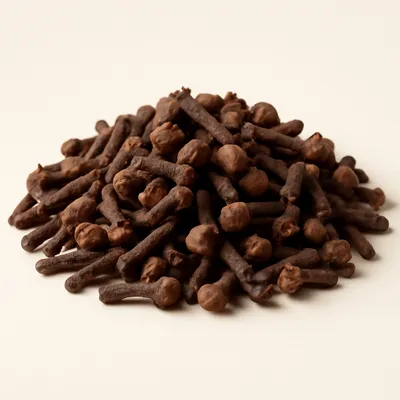
From Zacatecas and the Bajío region of north-central Mexico, with roughly a century of roots — the name means "wedding stew," and its spread is most often traced to the Mexican Revolution era, when it became the standard celebration dish across northern Mexico and a near-constant at weddings. Pork shoulder stretched far to feed large gatherings; dried chilies kept indefinitely. The recipe varies by family, but the chocolate-spice base is constant.
Zacatecas mining-town wedding stew, 19th-century — pork shoulder braised in toasted ancho and guajillo with a tablet of Mexican chocolate (cacao paste, cinnamon, sugar) emulsifying the chili oil. Hershey's splits the pot.
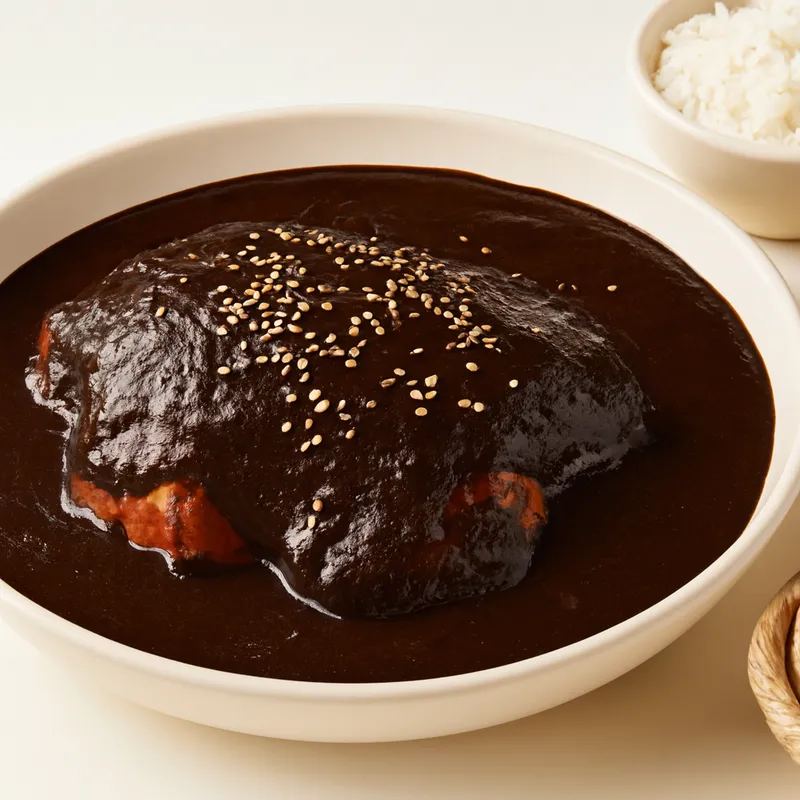
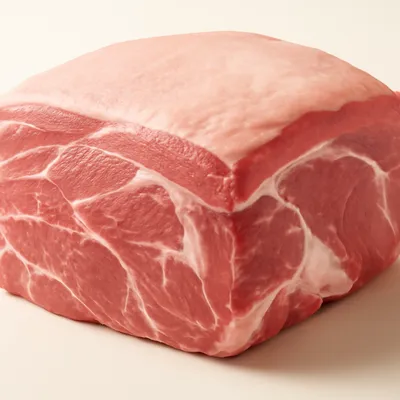
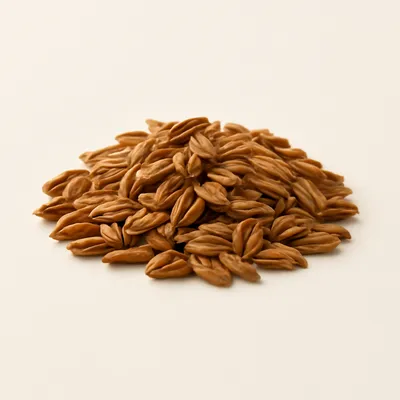
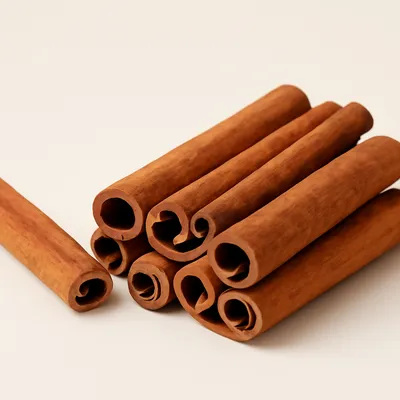
Pork shoulder braised slowly in a brick-red sauce of toasted ancho and guajillo chilies, garlic, cumin, clove, cinnamon, and a small bar of Mexican chocolate (Durango-style versions also thicken with soaked dried bread and a little orange juice). The sauce is thick and clings; the chocolate does not read as sweet, only as depth and a faint bitter edge. Served at weddings in Zacatecas and surrounding states with white rice or warm tortillas. Spoon should leave a clean trail through the sauce.
The chocolate is structural, not flavor candy — a small Mexican tablet (mostly cacao paste, sugar, cinnamon) emulsifies the chili oil into the broth and softens the chili's tannic bite, the same job mole poblano uses chocolate for. Use Hershey's or anything with milk solids and the sauce splits and turns cloying. Toast the chilies until they smell like raisins; burn them and the whole pot turns acrid.
Variations
Jerez de Zacatecas keeps it pork-only and clove-forward; Aguascalientes adds vinegar for a sharper finish; Bajío rancho versions thin the sauce with pulque and serve over arroz blanco.
On the Palate
Where Asado de Boda sits in the Mexican flavor cloud
Ingredients











How it's made
6 steps · 3 hours
- 143 min
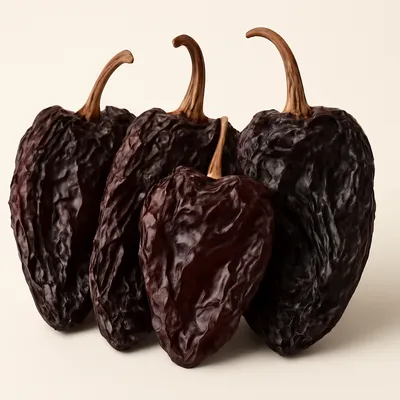
Toast ancho and guajillo chilies on a comal, then soak them in warm water until soft.
Watch outThe chilies are ready the instant they turn fragrant and pliable and smell faintly of raisins — pull them before any dark smoke, or the pot goes bitter.
- 214 min
Blend the soaked chilies with garlic, onion, cumin, cinnamon, clove, and dark chocolate to form a smooth paste.
- 314 min
Brown pork shoulder cubes in a pan, then remove and set aside.
- 423 min
Fry the chili paste in the same pan, then add the pork back in.
Watch outFry the paste until it deepens in color and the raw, sharp smell gives way to a rich toasted one — the oil should look glossy around it.
- 543 min
Simmer the mixture with tomatoes and salt until the pork is tender and the sauce thickens.
Watch outIt's done when the pork is fork-tender and the sauce has thickened enough to coat a spoon, with a sheen of red oil rising to the top.
- 643 min
Serve with warm tortillas and enjoy at celebrations.
Archive tool suggestions — not reviewed
These legacy suggestions have not been evidence-reviewed and are not presented as required tools.