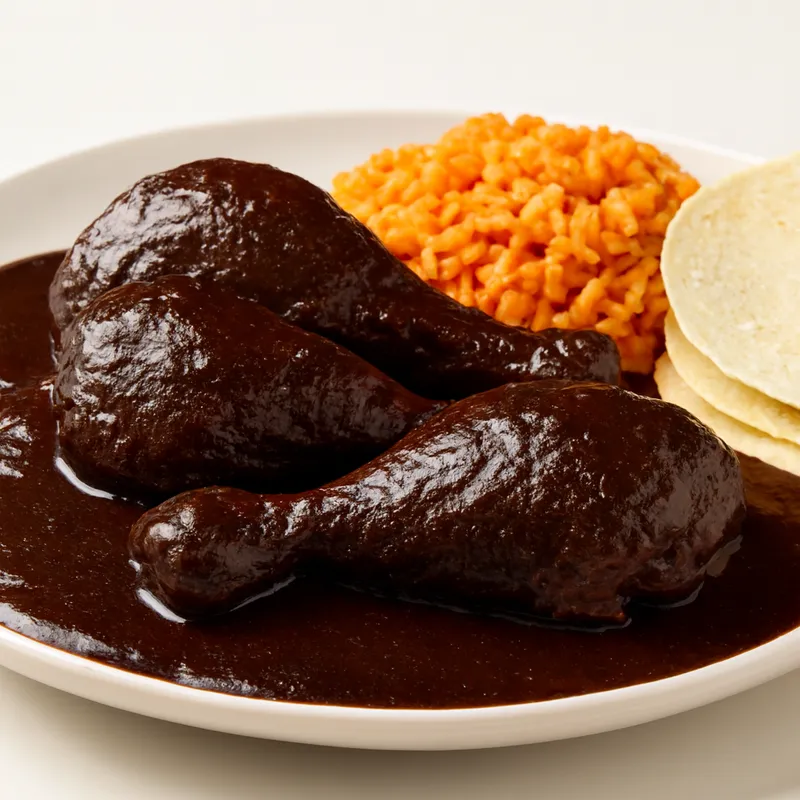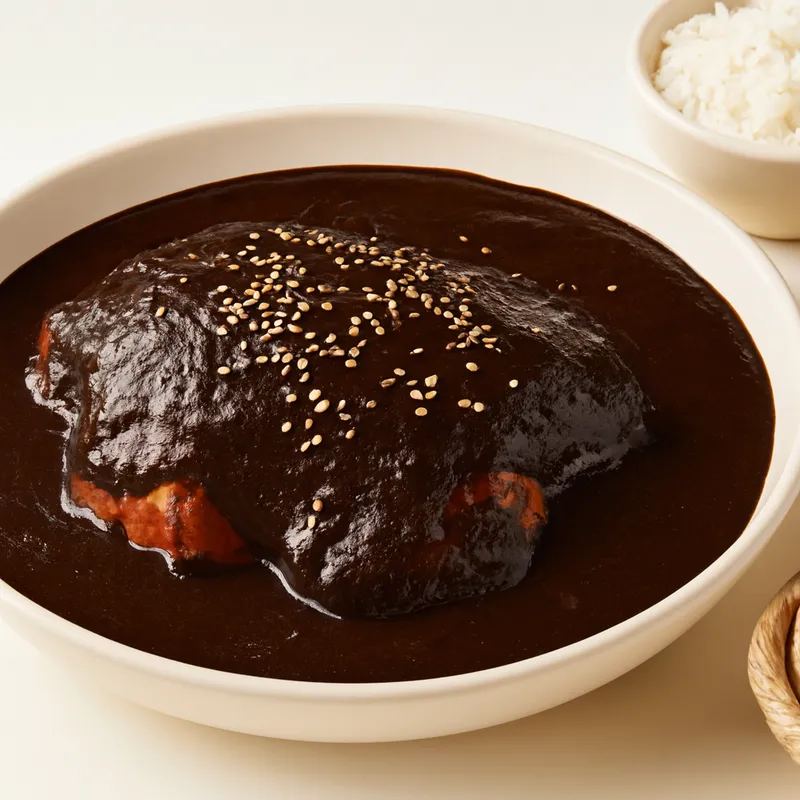
A deeply complex Oaxacan sauce, legendary for its dark, velvety texture and an intricate balance of heat, sweetness, and spice.
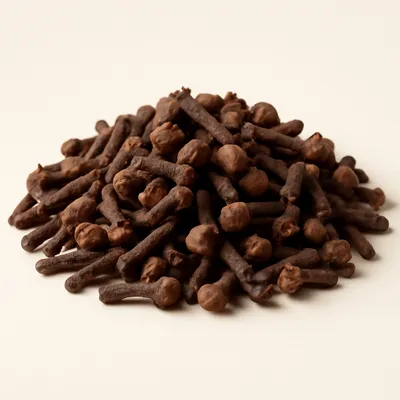
The most complex of the seven Oaxacan moles, with origins in the colonial-era convents of Puebla and Oaxaca (17th–18th century), where Spanish nuns and indigenous cooks combined Mesoamerican chiles, cacao, and turkey with Old-World almonds, cloves, cinnamon, and bread. Mole negro specifically is identified with Oaxacan cooks of the Central Valleys; family recipes are guarded and a single batch can take two days.
Twenty-eight ingredients, three days, six chiles, one chocolate moment. Skipping the seed-toasting is what flattens it.
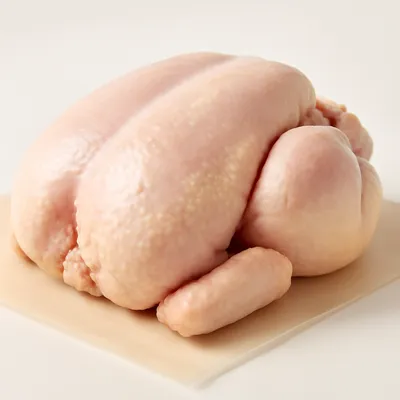
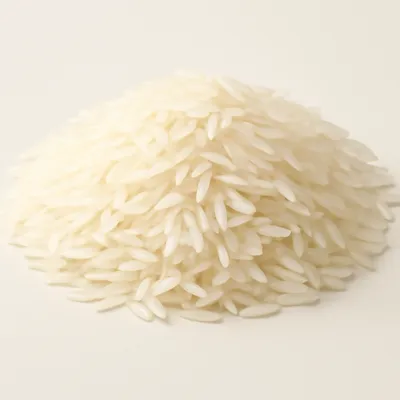
A pool of mole so dark it looks black, glossy, served over a piece of poached turkey or chicken, with white rice on the side and a few sesame seeds scattered. The first taste is burnt-bread bitterness, then a slow build of dried-chile fruit, then the tail of bittersweet chocolate and clove. It does not taste sweet, despite the chocolate. Sauce should hold a spoon line for two seconds before closing.
The black color comes from chilhuacle negro chile (a rare, near-extinct Oaxacan variety) and from bread and chile seeds toasted to charcoal. The seeds, in particular, are scorched intentionally — a controlled burn on a comal until they smoke black, then ground in. That burnt note is the through-line; without it, mole negro becomes mole rojo. Most home cooks now substitute mulato chile because chilhuacle is so scarce, and the version drifts redder as a result.
Variations
Six other Oaxacan moles (rojo, amarillo, coloradito, verde, chichilo, manchamantel) each shift the chile and seed mix; Pueblan mole is sweeter, more chocolate.
On the Palate
Where Mole Negro Oaxaqueño sits in the Mexican flavor cloud
The black comes from chile seeds and bread scorched to actual charcoal on the comal — take that burn right up to smoking black but stop before it goes acrid, because that controlled bitterness is the whole spine of mole negro.
Ingredients









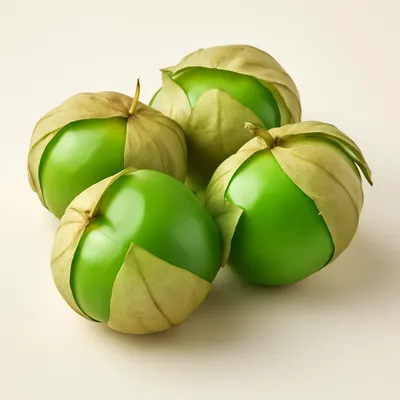

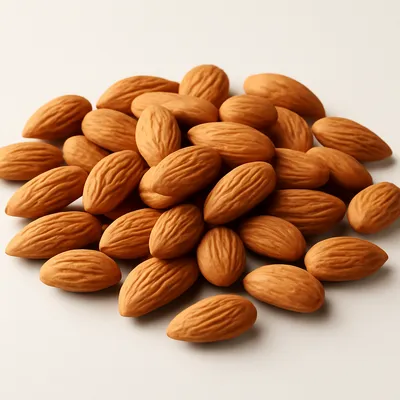

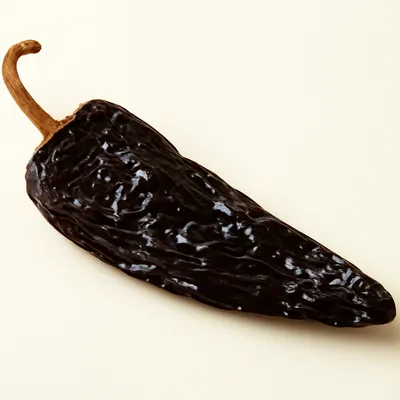
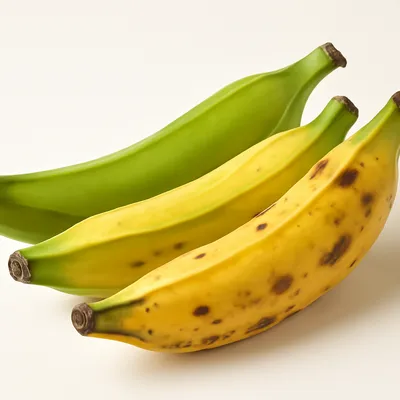

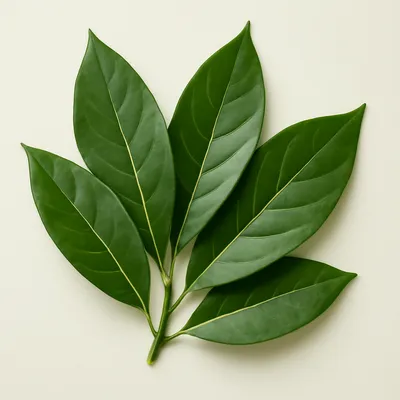
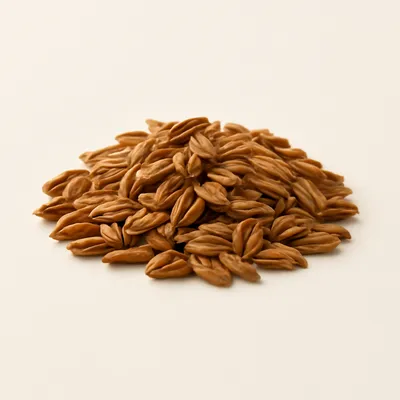
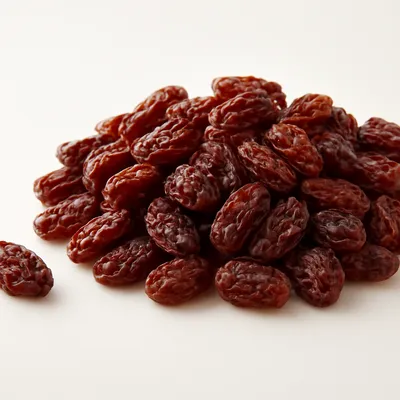
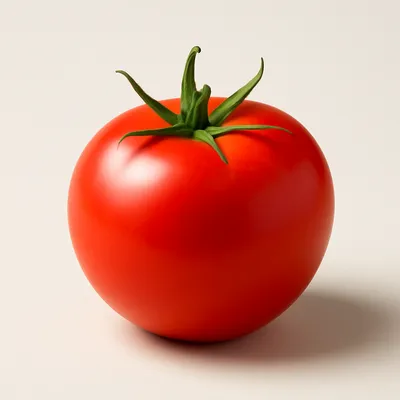
How it's made
6 steps · 4 hours
- 175 min
Toast dried chilies on a comal until aromatic, then soak in warm water to soften.
Watch outToast the dried chiles only until they smell fragrant and pliable — blacken the flesh here and the whole sauce turns bitter, so save the deep char for the seeds later.
- 225 min
Grind chilies in a molcajete with garlic, onion, and spices until smooth.
- 340 min
Fry almonds, sesame seeds, and plantains in lard until golden, set aside.
- 415 min
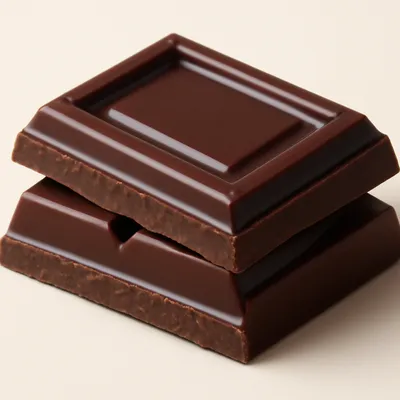
Combine chili paste with fried ingredients, adding dark chocolate to enrich the sauce.
Watch outStir the chocolate in off the fiercest heat so it melts smoothly into the paste without seizing or scorching on the pan floor.
- 575 min
Simmer the sauce slowly, allowing flavors to meld into a thick, luscious consistency.
Watch outIt's ready when the sauce mounds on the spoon and a drawn line across the pan holds for a second before closing.
- 610 min
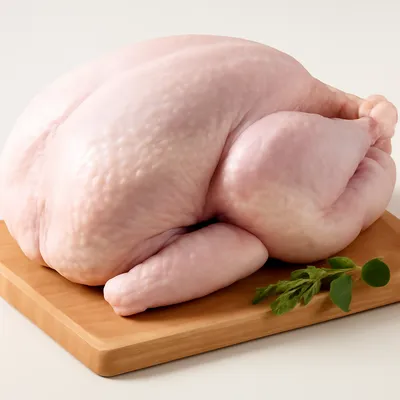
Serve over tender chicken, garnished with sesame seeds.
Archive tool suggestions — not reviewed
These legacy suggestions have not been evidence-reviewed and are not presented as required tools.
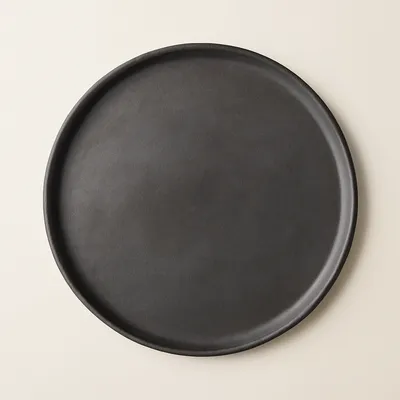
A flat round griddle of steel, cast iron, or unglazed clay, 30-50 cm across, the workhorse of the Mexican kitchen. It sits directly over a flame to toast tortillas (the puff happens in 30 seconds when the heat is right), char chiles for moles, blister tomatoes for salsas, and warm reheated leftovers. Clay comales (especially from Oaxaca) season with each use and impart a faint smoky tang that no metal version can fake.
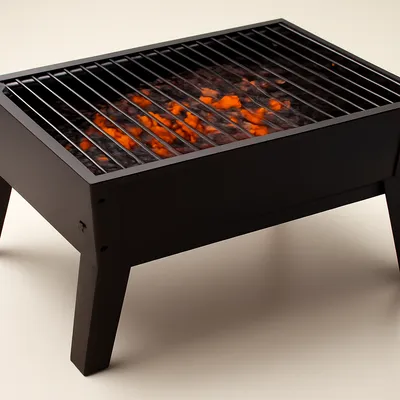
An open or hooded metal frame holding a bed of glowing charcoal embers, with a grate above. Charcoal burns at 700°C+ on the surface and emits short-wave infrared, which cooks proteins faster and with deeper Maillard browning than gas. Hardwood lump charcoal (oak, mesquite, fruitwood) lends its own smoke; cheap briquettes do not. Mastery is mostly heat zoning — direct over coals for searing, indirect off-coals for slow-roasting.