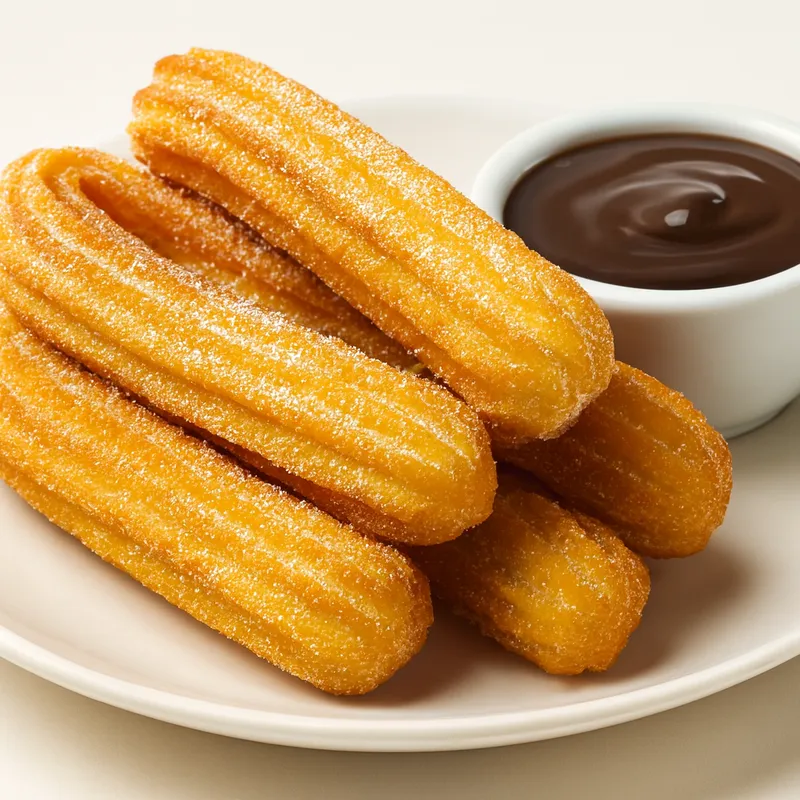
The traditional sweet of Huamantla, Puebla: small balls of wheat-flour dough deep-fried until golden, then coated in a caramelized piloncillo-grease syrup that hardens into a crunchy, glossy shell. Often served in clusters stuck together by the hardened syrup. A regional specialty of Huamantla (Puebla's northeast), muéganos are sold at fairs, festivals, and from street vendors — a beloved local treat with a long history.




Los muéganos huamantlecos are the traditional sweet of Huamantla, a town in the northeastern part of Puebla state. The sweet combines pre-Hispanic frying techniques with colonial wheat flour and piloncillo. The Huamantla version is one of several regional muéganos preparations across Mexico (the name refers to similar fried-dough-in-syrup sweets found in various states). Huamantla's version is distinguished by its use of piloncillo (and a little grease, traditionally lard) for the syrup, giving a distinctive caramel-and-anise-like complexity. Muéganos huamantlecos are sold at the famous Huamantla fair (Feria de Huamantla, August) and at regional markets.
A muéguano huamantleco presents a cluster of small golden fried-dough balls bound together by a hardened, glossy brown caramel-piloncillo syrup. The first bite is all crunch — the hardened syrup shatters; the fried dough inside is light and slightly soft. The flavor is caramel and molasses, with a hint of anise. Eaten by the cluster, often broken apart into individual balls.
Muéganos huamantlecos' character depends on the contrast between the fried dough and the hardened syrup. The wheat-flour dough (sometimes flavored with anise) is shaped into small balls and deep-fried — the frying gelatinizes the surface starches (giving a crisp exterior) and creates an airy interior (steam from the water content expands). The piloncillo syrup (with a little grease — lard or oil — which helps it crystallize rather than just harden) is cooked to the hard-crack stage (around 150°C); when the fried balls are dipped, the syrup coats them and, on cooling, hardens into a brittle, glossy shell. The syrup's molasses provides deep caramel complexity; the grease modifies the crystallization to give the right texture.
Variations
Some add anise to the dough; the syrup consistency varies; some add sesame or nuts.
On the Palate
Where Muéganos Huamantlecos Puebla sits in the Mexican flavor cloud
Ingredients
Serves 10How it's made
6 steps · 1 hour active + 30 min waiting
- 110 min
Make dough: combine wheat flour, eggs, butter, salt, and a little water; knead smooth; rest 30 minutes.
- 25 min
Shape into small balls (about 1 inch).
- 310 min
Deep-fry the balls in hot oil (180°C) until golden and cooked through, about 4-5 minutes; drain.
Watch outFry until deep gold and the balls feel light and hollow when tapped — a pale, heavy ball is still doughy inside.
- 420 min
Make the syrup: dissolve grated piloncillo with a little water, a spoonful of lard, and a pinch of anise in a pot; cook to the hard-crack stage (150°C).
Watch outCook the syrup to hard-crack: a drop in cold water snaps brittle and glassy; if it bends soft, it won't harden on the balls.
- 510 min
Working quickly, dip the fried balls into the hot syrup to coat; arrange in clusters on a greased surface.
Watch outDip and cluster fast — the syrup stiffens as it cools, and once it stops flowing you can't coat evenly.
- 630 min
Let cool completely until the syrup hardens; break into clusters to serve.