The street torta of León, Guanajuato: a crusty bolillo roll split and packed with sheets of crisp chicharrón de harina or pork-skin chicharrón, then loaded with fresh pico de gallo, a hard squeeze of lime, salt, and a fiery chile salsa. It is sold from tricycle carts and dedicated guacamayerías across the city, eaten standing up, and prized for one thing above all: the contrast between shatter-crisp chicharrón and the chewy bread, sharpened by lime and raw chile. Cheap, loud, and messy in the best way.




Guacamayas are a León specialty, and the city claims the torta as its own. By the popular account the name comes from a guacamaya (macaw): a customer at an early stand, having drunk a few tequilas with his chicharrón torta, grew loud and talkative, and another patron told him he was squawking like a macaw — after which people began asking for "a guacamaya." The story is widely retold but undocumented, so it is best taken as local lore rather than fixed history. What is clear is that the torta became a defining piece of León street food, sold from the city's distinctive guacamaya tricycle carts, some of the specialist stands now running for decades.
The first bite is all crunch — the chicharrón shatters into airy, salty shards that crackle against the chewy, slightly crusty bolillo. Then the pico de gallo cuts in: cold tomato, sharp white onion, the green bite of serrano and cilantro, all flooded with lime. A good guacamaya runs juicy and a little messy, the salsa soaking into the bread's crumb so the last bites are soft and tangy where the first were crisp and dry. The chile builds quietly the more you eat.
Everything rides on keeping the chicharrón crisp until the moment of eating, so it is added last and the torta is meant to be eaten right away — let it sit and the salsa's moisture softens the crackling into something limp. Two chicharrón styles appear: puffed wheat-flour chicharrón de harina, light and bubbly, or true fried pork skin, denser and meatier. The acidity does the seasoning work a sauce would in a cooked dish: lime and the tomato-onion-chile pico brighten the rich, salty fried skin and keep each bite from turning heavy. The bolillo's firm crust is chosen to stand up to the juice without collapsing immediately.
Variations
The chicharrón may be the airy flour kind, true pork-skin chicharrón, or a mix; some stands offer it with melted cheese, avocado, beans, or a slick of crema, though purists keep it to chicharrón, pico, lime, and salsa. Heat is adjusted by the salsa and by how much serrano goes into the pico. The torta sits alongside León's other signature snack, the cold-and-sour caldo de oso, on the same street carts.
On the Palate
Where Guacamayas sits in the Mexican flavor cloud
Add the chicharrón last and eat immediately — the whole point is the crackling staying crisp against the fresh salsa, and once the lime and pico soak in it goes limp and the torta is lost.
Ingredients
Serves 2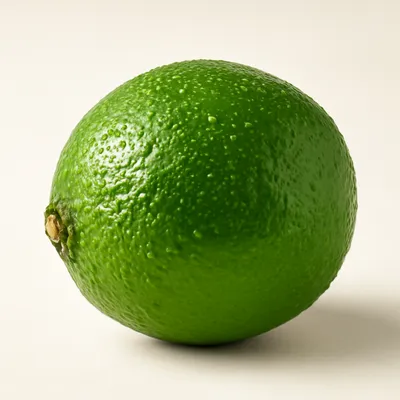
How it's made
7 steps · 15 min
- 18 min
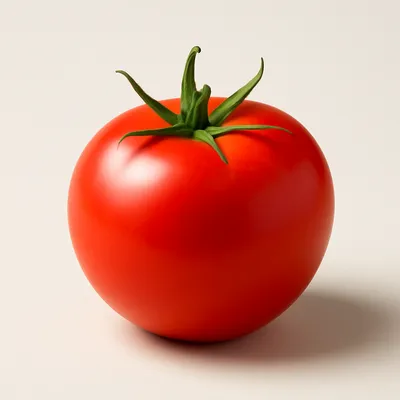
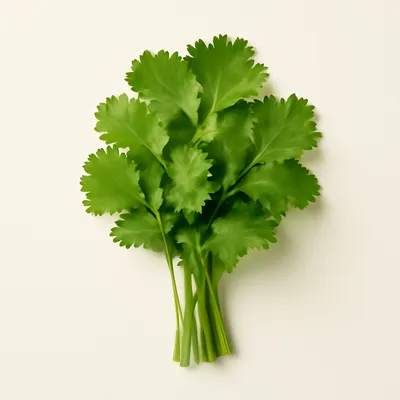
Make a fresh pico de gallo: finely dice tomato, white onion, serrano chile, and cilantro, season with salt and a squeeze of lime.
Watch outDice the pico fine and even; salt it and squeeze lime just before use so it stays fresh and doesn't weep.
- 23 min
Prepare a fiery red or green table salsa to taste.
- 31 min
Split a crusty bolillo roll lengthwise, leaving a hinge.
- 41 min
Break sheets of crisp chicharrón to fit and pile them generously into the roll.
Watch outBreak the chicharrón into pieces that sit in the roll — it should still audibly crackle when you press it.
- 51 min
Spoon the pico de gallo over the chicharrón.
- 61 min
Add salt, a hard squeeze of fresh lime, and the salsa to taste.
- 71 min
Close the torta and eat immediately while the chicharrón is still crisp.
Watch outClose it and eat right then — every minute it waits, the crackle fades.
Archive tool suggestions — not reviewed
These legacy suggestions have not been evidence-reviewed and are not presented as required tools.