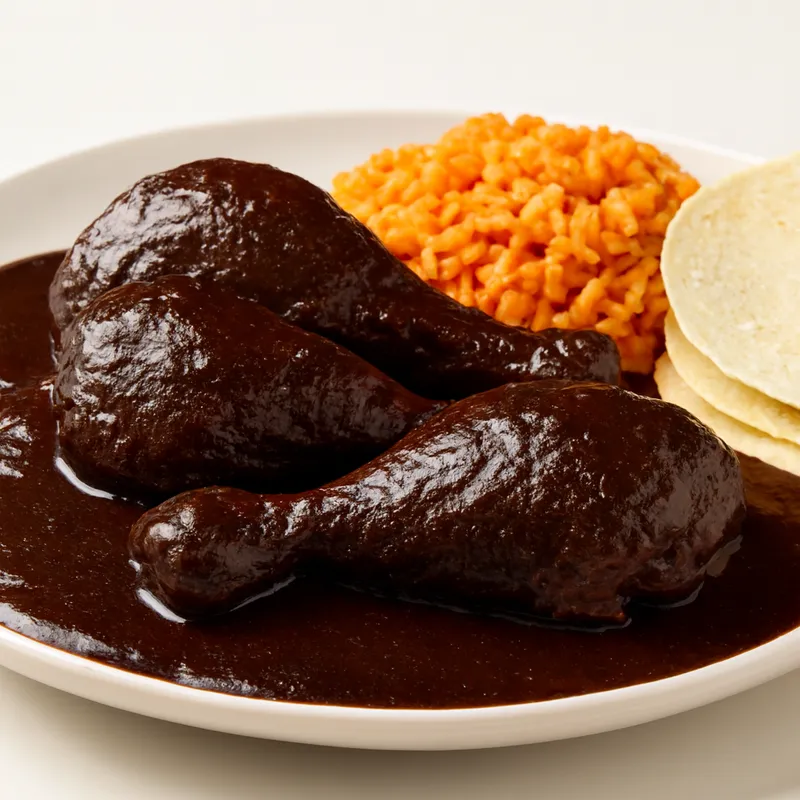
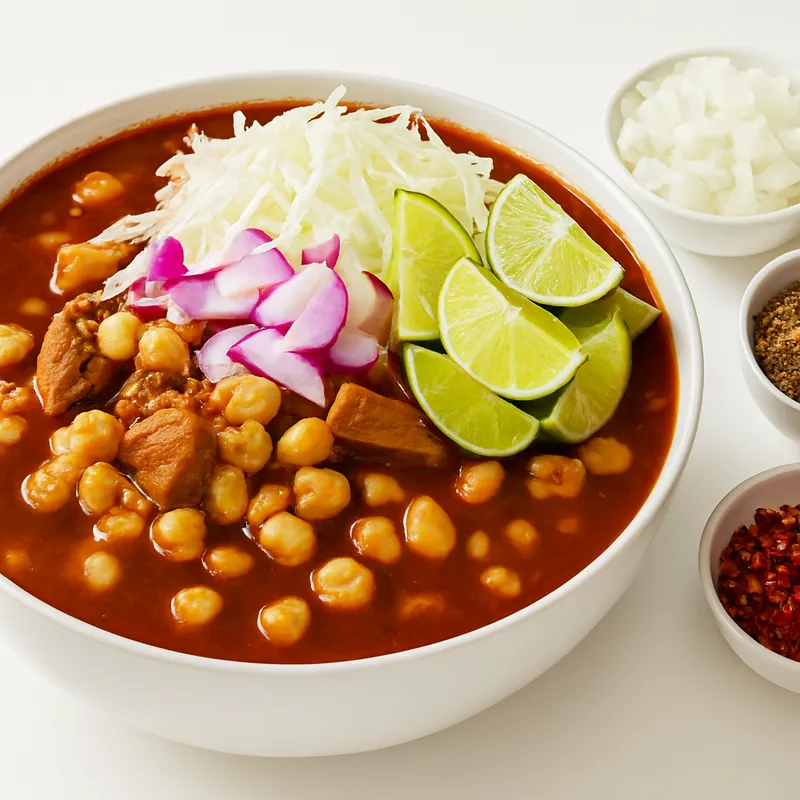
Oaxacan or Pueblan red mole paste — guajillo, ancho, sesame, almond, chocolate, tomato. Lighter, sweeter, less charred than negro.




Two parallel lineages: the Oaxacan rojo (one of the seven moles) and the Pueblan mole poblano, the latter mythologized as invented by the nuns of Santa Rosa convent in Puebla in the 17th century for a visiting archbishop. The convent story is folk history, not document — but the recipe is anchored to that region.
Use Mexican drinking chocolate (Ibarra, Abuelita, or Mayordomo from Oaxaca) not dark couverture — the cinnamon-sugar grit is structural to the paste. Couverture turns it into chocolate sauce.
Rust-red to terracotta, thick velvet texture. Toasted nut up front (sesame, almond), then dried-chile raisin sweetness, warm spice (clove, cinnamon), bittersweet chocolate echo at the back. Less smoke than negro, more sugar lift.
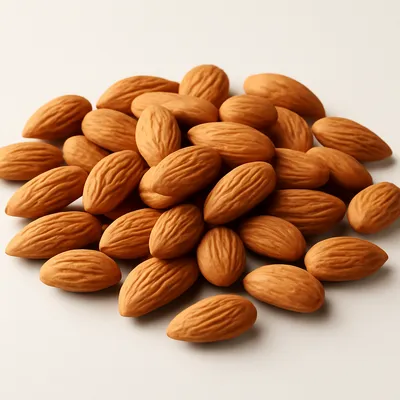
Toast every nut and seed separately — almond darker, sesame lighter, peanut last — then grind hot. Cooling and re-toasting muddies it. The bittersweet chocolate (Mexican tablet, not couverture) goes in last so the dairy fat doesn't seize.
Variations
Mole poblano (Puebla — sweeter, more spice, served over turkey for Día de la Independencia). Mole rojo Oaxaqueño (drier, more guajillo, less chocolate — Itanoní in Oaxaca City). Coloradito is a third red, lighter still, often confused with rojo.
On the Palate
Where Mole Rojo Paste sits in the Mexican flavor cloud
Ingredients
Serves 8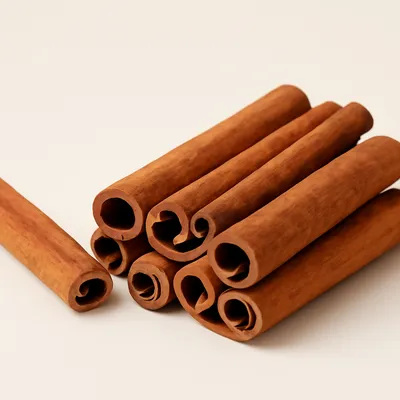
How it's made
5 steps · 8 min active + 1 hour 20 min waiting
- 125 min
Toast 10 guajillos + 6 anchos on comal; soak 20 min.
- 25 min
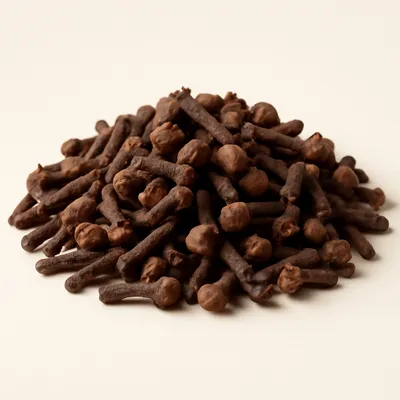
Toast 50 g sesame + 30 g almonds + 1 cinnamon stick + 4 cloves.
Watch outToast each seed and nut on its own and pull them at different times — sesame goes pale gold, almond a shade darker; browning them together burns the small stuff before the big is done.
- 310 min
Roast 4 tomatoes + 1/2 onion + 4 garlic until charred.
- 48 min
Blend everything + 40 g chocolate + 1 L stock to smooth paste.
Watch outStir the chocolate in last, off a fierce boil — drop it into a raging pot and the dairy fat seizes and turns the paste grainy instead of glossy.
- 540 min
Strain; simmer 40 min to thicken; jar.