
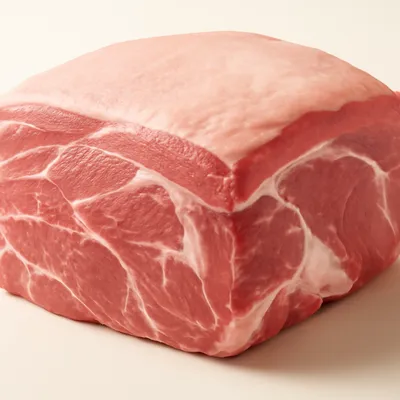
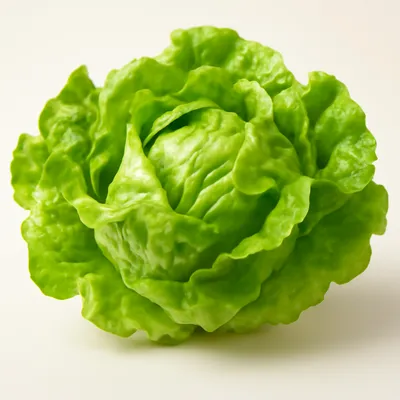
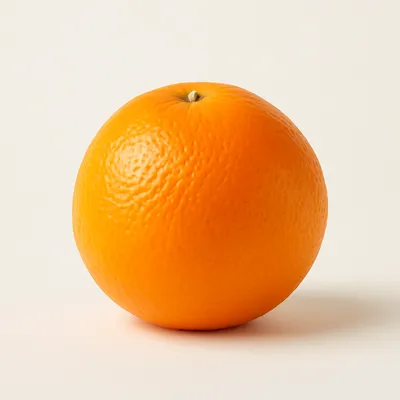
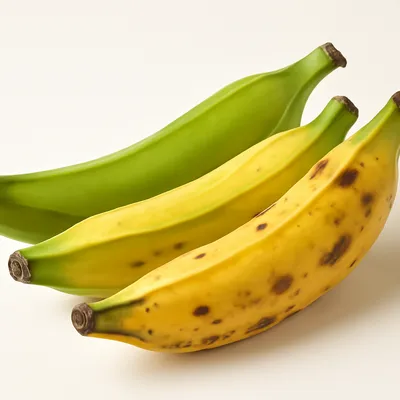
A festive cold platter from San Miguel de Allende and the surrounding Bajío, built for patron-saint fiestas, weddings, and above all the Day of the Dead. Several meats are cooked separately and dressed in vinegar — poached and lightly fried chicken, sliced beef tongue, and tender pig's trotters — then fanned over a bed of shredded lettuce with sliced fruit and vegetables: orange, apple, plantain, guava, jícama, beet, radish, and avocado. Everything is bathed in an oil-and-vinegar dressing scented with oregano and macerated before serving. It arrives cold or at room temperature, the sweet, acid-bright fruit set against the rich, vinegared meats, and is eaten as the centerpiece of the table rather than a side.


Fiambre belongs to the cold-meat tradition the Spanish carried to the Americas in colonial times — the word descends from the Latin frigidus, "cold," giving Spanish a name for cooked or cured meat eaten cold that keeps for some time. Across central Mexico that European idea was adapted region by region, and the best-documented and most famous Mexican form is the fiambre potosino of San Luis Potosí, a sharply vinegared composite of pig's trotters, shredded chicken, and beef tongue with cooked vegetables, marinated for days. San Miguel de Allende did not invent fiambre; what marks the sanmiguelense and wider Guanajuato version is its turn toward fruit — apple, orange, guava, plantain — plus avocado, making it sweeter and more colorful than the austere Potosí plate. In San Miguel and nearby Salamanca it is tied above all to All Saints' and the Day of the Dead in early November, when it is laid out for family gatherings and fiesta tables. (This Mexican fiambre is unrelated to the very different Guatemalan dish of the same name.)
The first impression is coolness and contrast. A slice of vinegared beef tongue or a soft nub of pig's trotter is rich and faintly gamey, immediately cut by the bright acid of the dressing; a beat later comes a wedge of sweet orange or ripe plantain, the fruit's sugar playing directly against the sour meat. Underneath, shredded lettuce, crisp jícama, and radish stay cold and crunchy, while avocado adds a buttery softness. Everything is loose and composed rather than bound, so each forkful is a different ratio of sweet, sour, rich, and fresh — a platter that refreshes in the heat rather than weighing you down.
The dish is engineered around acid. Each meat is cooked separately by moist heat — chicken poached then briefly fried, tongue and trotters long-simmered until a fork goes through — then sliced and steeped in vinegar, which both seasons the meat and, by dropping the pH, slows bacterial growth so a large platter can sit out safely through a long outdoor fiesta with no refrigeration. The fruit and vegetables are sliced and macerated in the oil-and-vinegar dressing for at least an hour before serving, which seasons them through and tempers the rawness of onion and radish. Keeping components separate until plating matters: it stops the fruit from leaching and turning mushy and lets the cook layer textures cleanly. Served cold, the firmer chill of the meats and the crispness of the produce both hold, and the oregano and vinegar tie the sweet and savory halves together.
Variations
The canonical and most famous Mexican fiambre is the Potosino of San Luis Potosí — heavily vinegared, built on cooked vegetables (carrot, potato, squash) with little or no fruit. The sanmiguelense and broader Guanajuato style leans sweet and colorful, adding orange, apple, guava, plantain, and avocado, and sometimes chorizo. Within San Miguel itself families vary the mix freely: olives, peanuts, and pickled jalapeños are common finishers, and beet stains the platter pink. Other regions diverge further still — Guerrero's fiambre carries beans, fresh cheese, totopos, and grilled meats, while Puebla's is noted for citrus and a touch of sugar. The meats are flexible: hen, pork, and tongue are standard, with trotters prized for their gelatin.
On the Palate
Where Fiambre Sanmiguelense sits in the Mexican flavor cloud
Ingredients
Serves 8
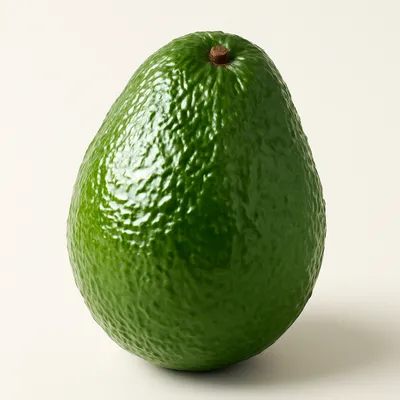
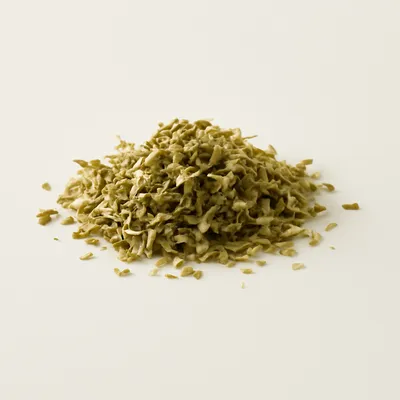

How it's made
8 steps · 1 hour active + 1 hour 30 min waiting
- 190 min
Simmer pig's trotters in salted water with onion and bay until very tender, about 1.5 hours; cool, then bone and cut into pieces.
- 2120 min
Simmer beef tongue until fork-tender, about 2 hours; peel off the skin while warm, cool, and slice thin.
- 320 min
Poach the chicken until just cooked, cool, then fry the pieces briefly in a little oil to color; shred or leave in small pieces.
- 460 min
Slice the cooked tongue and trotters and steep them in vinegar for at least 1 hour (or overnight) to season and lightly pickle.
Watch outSteep the sliced tongue and trotters in vinegar at least an hour — the acid both seasons them and drops the pH so the platter keeps safely out through a long fiesta.
- 55 min
Whisk a dressing of olive oil, apple or pineapple vinegar, dried oregano, salt, and pepper.
- 660 min
Slice the fruit and vegetables — orange, apple, plantain, jícama, beet, radish, onion — keeping each separate, and macerate them in the dressing for at least 1 hour.
Watch outMacerate the fruit and vegetables in the dressing at least an hour — this seasons them through and tames the raw bite of onion and radish.
- 712 min
Spread shredded lettuce over a wide platter as a bed, then arrange the drained meats, fruit, and vegetables over it in sections.
- 88 min
Tuck in avocado slices, scatter olives, peanuts, and pickled jalapeños, spoon over more dressing, and serve cold or at room temperature.
Archive tool suggestions — not reviewed
These legacy suggestions have not been evidence-reviewed and are not presented as required tools.


