
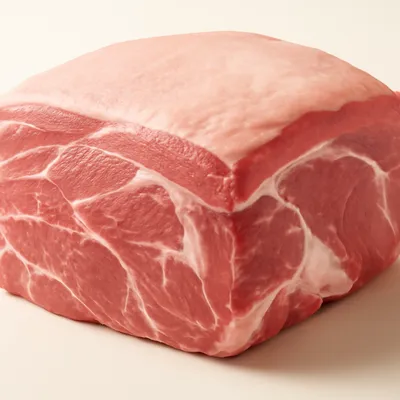
Pork shoulder slow-confited in lard inside a copper cazo with orange, bay, salt, and a splash of Coca-Cola, until the meat fries crisp in its own rendered fat.



Carnitas in this style is rooted in the town of Quiroga, Michoacán, on the road between Morelia and Pátzcuaro, where market-day pork has been confited in copper cazos for at least the late 19th century — copperware production at nearby Santa Clara del Cobre supplied the pots. Coca-Cola entered the recipe in the second half of the 20th century once the bottler reached rural Mexico; cooks adopted it because the sugars accelerate browning and the phosphoric acid tenderises. Today carnitas michoacanas is the regional benchmark — other states do versions, but the Quiroga technique is the reference.
Quiroga, Michoacán — confited in copper cazos since the late 19th century, supplied by nearby Santa Clara del Cobre's coppersmiths. Coca-Cola entered after the bottler reached rural Mexico mid-20th century — phosphoric acid loosens collagen, sugars Maillard the surface. Carnitas Carmelo is the regional benchmark.
Forks pull off shreds with a mahogany crackle on the outside and a soft, almost juicy interior. The first taste is roast pork; then citrus oil from the orange peel; then a small caramel note from the Coca-Cola sugars. Eaten in a warm corn tortilla with raw onion and cilantro and a hard squeeze of lime. The classic Michoacán reference is Carnitas Carmelo in Quiroga, where a single cazo feeds a queue at 8 a.m. Sunday.
Two stages, one pot. Stage one is a confit at 88-92°C: the pork sits below water's boiling point, releasing collagen slowly while the lard prevents the surface from drying. Stage two is the same pot, but now hot enough that the meat's residual water boils off and the pieces fry. The Coca-Cola is a 1% solution by volume — its phosphoric acid loosens collagen and its sugars Maillard the surface during the second stage. Without the heat-up, you get tender but pallid pork; without the long confit first, you get crisp but tough pork.
Variations
Quiroga is the reference (copper cazo, Coca-Cola, orange peel); Apatzingán runs spicier with chile guajillo; Mexico City taquerías skip the soda; Carnitas Carmelo (Quiroga) and Don Toño in Morelia are both queue-worthy.
On the Palate
Where Carnitas Michoacanas sits in the Mexican flavor cloud
Two stages in one pot: confit the pork gently at 88–92℃ until fork-tender, then crank the heat past 130℃ so the pieces fry in their own fat — skip the low stage and it's tough, skip the fry and it's pallid.
Ingredients
Serves 6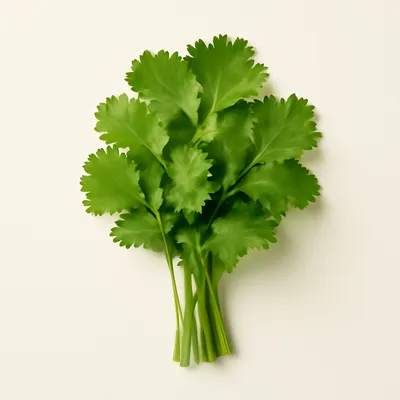


How it's made
6 steps · 40 min active + 2 hours 40 min waiting
- 135 min
Cut 2kg bone-in pork shoulder into 6cm chunks, leaving fat caps on. Salt heavily with 30g coarse salt and rest 30 minutes at room temperature — surface dries, salt penetrates.
- 210 min
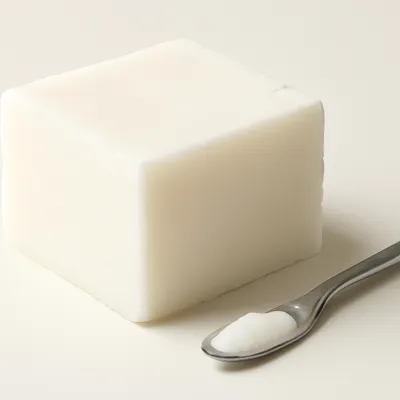
Set a heavy copper cazo (or thick cast-iron Dutch oven) over medium heat. Melt 1kg pork lard until it runs liquid and reads 90°C — not smoking. The pork must be submerged or nearly so.
Watch outAluminium and thin steel scorch the lard — copper or thick cast iron only.
- 35 min
Slide the pork into the warm lard. Add 1 navel orange halved (squeezed in then dropped whole, peel and all), 4 bay leaves, 1 cinnamon stick, and 80ml Coca-Cola. Hold the lard at a bare 88-92°C — surface barely shimmers, no rolling bubbles.
Watch outHold the lard at a bare 88–92℃ — the surface should barely shimmer with no rolling bubbles; if it bubbles hard, pull back the heat.
- 4120 min
Confit 2 hours at 88-92°C. The pork is fully submerged, slowly giving up water. After 2 hours the meat is fork-tender — but you are not done.
- 518 min
Now raise the heat to medium-high. The lard climbs past 130°C — the surface starts to bubble actively. The remaining moisture in the meat boils off and the pieces begin to fry in their own fat. 15-20 minutes — turn pieces once. Edges deepen to mahogany and crisp.
Watch outOnce you raise the heat, the lard climbs past 130℃ and the pieces start to fry; watch for the edges deepening to mahogany and turn them once.
- 67 min
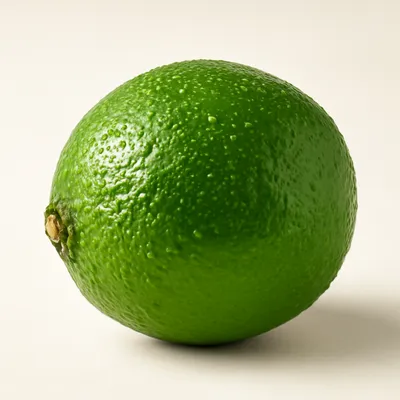
Lift pork onto a board with a spider strainer. Chop coarsely, mixing crisp edge with soft interior. Pile on a warm clay platter with chopped onion, cilantro, lime wedges, and warm corn tortillas. Salsa verde and salsa roja on the side.
Watch outChop while warm, folding crisp edges into the soft interior so every bite has both.
Archive tool suggestions — not reviewed
These legacy suggestions have not been evidence-reviewed and are not presented as required tools.
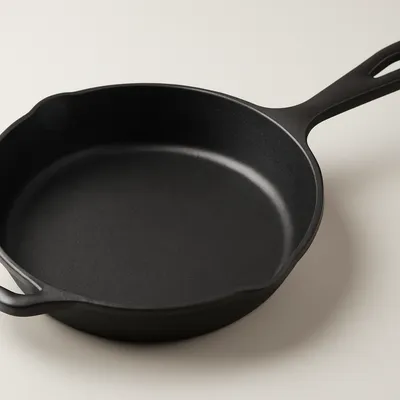
A heavy, single-piece cast iron pan, 25-30 cm across, weighing 1.5-2.5 kg. Once preheated, the thick mass holds 230°C+ even when a cold steak hits the surface — that's the secret to a deep crust. A well-seasoned skillet (multiple thin layers of polymerized oil baked into the iron) is essentially nonstick, gets better with use, and lasts a century. Lodge skillets from Tennessee have been in continuous production since 1896.

A heavy enameled or bare cast-iron lidded pot, 4-7 liters, with thick walls and a snug lid. The mass evens out hotspots; the lid traps moisture for braising. Sears on the stovetop, then transfers to a 150°C oven for 3-4 hours of even, contained heat — the structural difference between a beef bourguignon that comes out luminous and one that turns to gray mush. Le Creuset and Staub are the celebrated versions; an old American Wagner is functionally identical.

A small heavy wok-shaped iron or steel pan with two opposing handles, 22-28 cm across, used in North Indian and Pakistani kitchens. Smaller and shallower than a wok, the karahi cooks single-portion karahi gosht — meat seared at very high heat with tomato, ginger, green chile — in 15 minutes. The shallowness keeps the surface area exposed; the gravy reduces tight rather than going saucy.


