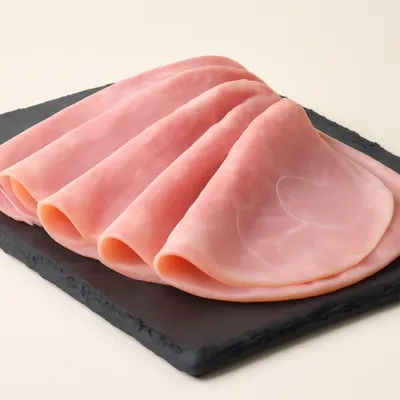
Tampico's overstuffed sandwich: a bolillo roll split, smeared thick with refried black beans, and packed with layered cold cuts — ham, fried chorizo, slices of queso de puerco (head cheese), yellow and fresh white cheese — finished with avocado, tomato, onion, and a spoon of pork rinds in green salsa. It is a dockworker's lunch grown into a city emblem, built tall enough to need both hands. Eaten standing at a stall, juices running, it is the savory counterpart to the carne a la tampiqueña on Tampico's table.




The torta de la barda emerged around 1928 in the Gulf port of Tampico, Tamaulipas. It is named for the barda — the boundary wall that separated the railroad yards, docks, and customs house from the rest of the city — where the first vendors set up their stands. The earliest tortas were a cheap, filling sardine-and-bean sandwich, sold to the railroad workers and dock laborers (alijadores) who needed protein to get through a heavy shift. As the sandwich caught on, the sardine gave way to ham and beans, and over the years the fillings piled up — chorizo, queso de puerco, more cheeses, avocado — into the loaded torta sold today. It remains tied to that wall and that working waterfront; Tampico now marks an annual day in its honor.
The first thing you notice is weight — it is heavy and dense, a sandwich you compress with your grip just to fit it in your mouth. The bolillo gives a crisp top crust and a soft, bean-smeared interior; inside, the cold cuts layer salty and porky, the chorizo brings a warm spiced grease, the queso de puerco a gelatinous savoriness, the avocado a cool fatty smoothness. The green salsa and pork rinds add a tangy crunch that cuts through all the richness. It is messy and filling, less a delicate bite than a meal you wrestle with.
This is an assembly, not a cooked dish, and the build is the technique. The bolillo is the right bread because its thin crisp crust and open, sturdy crumb can hold a heavy, wet filling without dissolving. The bean layer does structural work — spread on both cut faces, the refried beans act as a moisture barrier and glue, binding the stack and keeping the bread from going soggy too fast. The cold cuts are layered in order of how they behave: firm slices against the bread, soft and oily ones (chorizo, avocado) toward the center, and the wet, acidic pork-rind salsa added last so its juice does not soak straight through. The whole thing is pressed lightly so it holds together when you pick it up.
Variations
There is no fixed recipe — every stand layers its own combination, and arguments over the "complete" torta are part of the tradition. Common additions or swaps include shredded beef, fresh white cheese, sliced tomato, pickled jalapeños, and extra avocado; some keep it simple with just ham, beans, and cheese. The original sardine-and-bean version is now a nostalgic rarity. Outside Tampico the sandwich travels as the city's signature, but locals insist it is never quite the same away from the waterfront.
On the Palate
Where Tortas de la Barda sits in the Mexican flavor cloud
Ingredients
Serves 4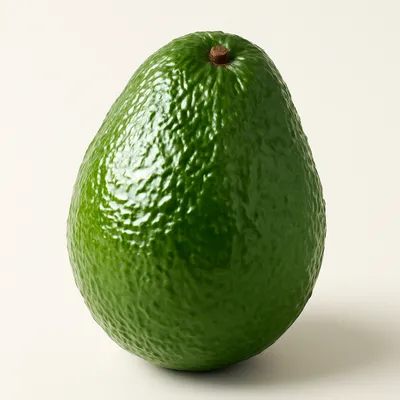


How it's made
7 steps · 20 min active + 5 min waiting
- 16 min
Fry the chorizo until crisp and rendered, breaking it up; drain off excess grease.
Watch outFry the chorizo until it stops sizzling wet and the bits crisp — undercooked, its grease soaks the bread.
- 23 min
Warm the refried black beans until spreadable.
- 33 min
Split a bolillo roll lengthwise and spread refried beans thickly on both cut faces.
Watch outSpread the beans right to the edges of both cut faces — that layer is the moisture barrier that keeps the bread from going soggy.
- 43 min
Layer the firm cold cuts first — ham, slices of queso de puerco, yellow and white cheese — against the bread.
- 53 min
Add the fried chorizo, then sliced avocado, tomato, and onion toward the center.
- 62 min
Spoon over pork rinds dressed in green salsa, then close the sandwich.
- 72 min
Press the torta gently so it holds together and cut in half to serve.
Archive tool suggestions — not reviewed
These legacy suggestions have not been evidence-reviewed and are not presented as required tools.