A whole-pig charcuterie of the State of México: pork meat, offal, spinal cord and brains, seasoned with raisins, almonds and pine nuts, packed and sewn into a cleaned pig's stomach, then poached and finally sliced and fried. The fried slices turn a deep purplish-mauve, the color that gave the sausage its name — obispo, "bishop." In Tenancingo and Toluca it is sold by weight from the market and folded hot into corn tortillas, the everyday way to eat what began as a thrifty nose-to-tail sausage. The bite runs savory and faintly sweet at once, with the raisins and nuts cutting the richness of the organ meats.
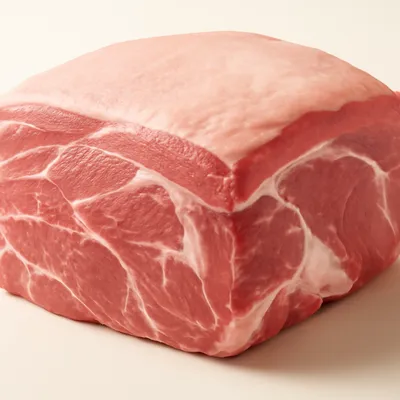


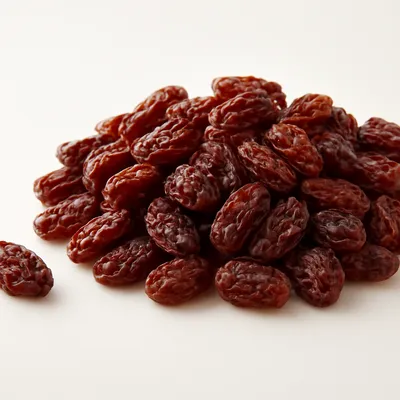
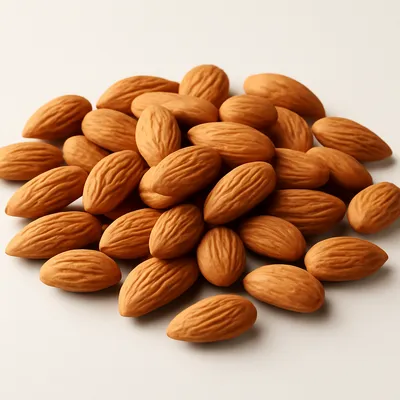

The obispo belongs to Tenancingo, a town in the southern highlands of the State of México below Toluca, where it has been made at least since the 1930s. It grew out of pig-slaughter thrift — a way to use the brains, spinal cord, liver, heart and trimmings that would otherwise be wasted, bound with spices and dried fruit and cased in the animal's own stomach. The name "bishop" has several competing folk explanations: that clergy who tasted it pronounced it fit for a bishop; that the dish was prepared for a bishop of Toluca who visited the town; and, most plainly, that the purplish-mauve color of the fried sausage recalls a bishop's cassock. Since 2004 Tenancingo has held an annual Feria del Obispo each August in its Jardín Morelos, and the sausage is now a marker of mexiquense regional identity.
Cut from the casing, each slice shows a dense, coarse mosaic — flecks of meat and offal bound tight, studded with whole raisins and broken almonds and pine nuts, the whole thing fried to a purplish-brown crust at the edges. The texture is firm and a little crumbly, somewhere between a country pâté and a fried sausage. The flavor is deep and offaly from the brain and liver, lifted by warm spice and the small bursts of sweetness from the raisins, all of it wrapped hot in a soft corn tortilla with a spoon of green salsa.
The pig's stomach is the working part of the recipe: scrubbed and turned, it becomes a natural casing tough enough to hold a coarse, wet filling of meat and organs through a long poach without bursting. Poaching first sets the sausage all the way through and renders some fat, so the later frying is only to crisp and color, not to cook. That fry is where the "bishop" color appears — iron-rich blood and the myoglobin of the offal brown and darken in the pan to the characteristic purplish-mauve. The raisins, almonds and pine nuts are a colonial-era signature: dried fruit and nuts season and sweeten the organ meats, the same trick that tames offal in many Mexican stuffed dishes.
Variations
The traditional version keeps the brains, which carry much of the flavor; cheaper market versions cut or omit them and lean on more muscle meat, and some makers now use ground beef or chicken. Seasoning ranges from mild and sweet to noticeably chile-spiked. Beyond tacos, slices are eaten as a botana with lime, or pressed into tortas; the sausage is also sold whole by the kilo to take home and fry.
On the Palate
Where Tacos de Obispo sits in the Mexican flavor cloud
Ingredients
Serves 6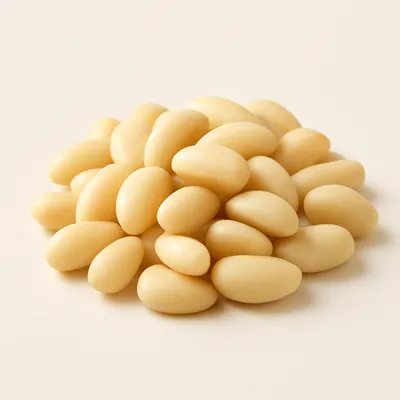



How it's made
7 steps · 1 hour 20 min active + 2 hours 10 min waiting
- 130 min
Clean a whole pig's stomach thoroughly, turning and scrubbing it inside and out, then soak it in salted water with lime or vinegar.
Watch outScrub the stomach until it no longer smells — any funk left now can't be masked later and will taint the whole sausage.
- 225 min
Chop the pork meat, liver, heart, spinal cord and brains, keeping the brains in larger pieces.
- 315 min
Season the mixture with garlic, onion, dried chile, herbs and spices, then fold in raisins, chopped almonds and pine nuts.
- 420 min
Pack the filling into the cleaned stomach, leaving room to settle, and sew the opening closed.
- 590 min
Poach the stuffed stomach gently in seasoned water until firm and cooked through, then cool completely so it slices cleanly.
Watch outPoach only to firm all the way through, then cool fully before slicing — a warm, soft slab tears instead of cutting clean.
- 615 min
Cut into thick slices and fry in lard or oil until the edges crisp and turn the characteristic purplish-brown.
Watch outFry until the edges crisp and the surface turns that deep purplish-brown — that color is the sign it's ready.
- 710 min
Warm corn tortillas, fill with the fried slices, and serve with green salsa, onion and lime.
Archive tool suggestions — not reviewed
These legacy suggestions have not been evidence-reviewed and are not presented as required tools.