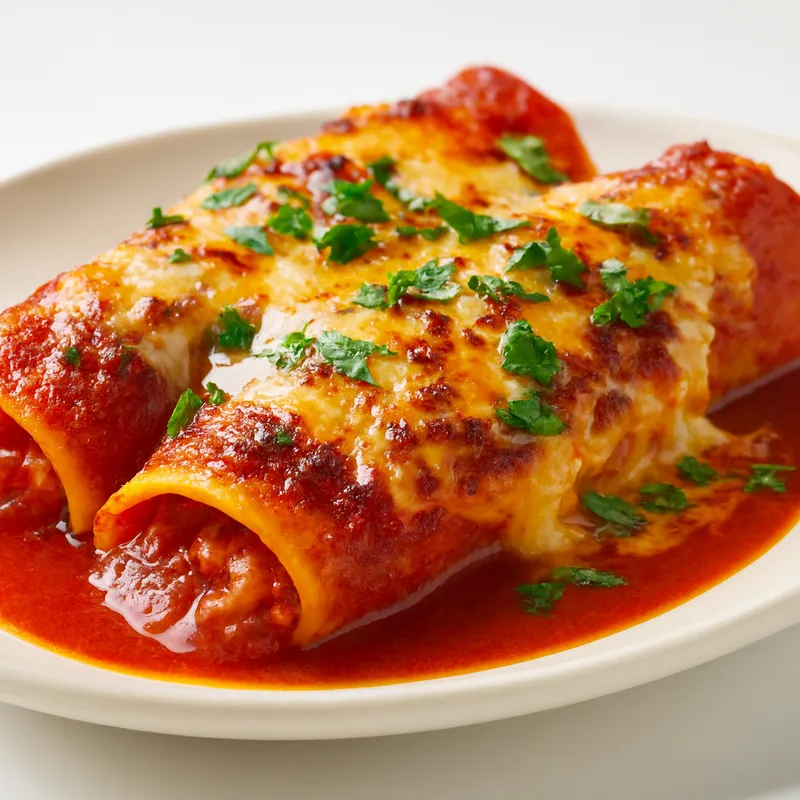
Atápakua (sometimes spelled atápakua, atápakwa, or atapakua depending on transliteration of the P'urhépecha) is a foundational dish of the P'urhépecha highlands and is documented in 16th-century chronicles as the everyday hot stew of the region. The word in P'urhépecha means «that which thickens» — and the technique of using masa as a stew thickener is genuinely pre-Hispanic, predating European wheat-flour roux thickening. Modern atápakuas appear in dozens of regional variants — distinct ones for weddings, funerals, harvest, Lent — defined by which greens, which chiles, which protein.
P'urhépecha for that-which-thickens — masa-bound stew documented in 16th-century chronicles, predating European roux. The Angahuan and Tzintzuntzan women's cooperatives still hold a spoon vertical in it.
Spoon-thick — closer to a masa-bound porridge than a soup. The first bite is roasted-chile and cooked-tomatillo, but the texture is the surprise: smooth and almost velvety from the masa, with chunks of chicken, soft chayote, and bitter greens suspended evenly through it. Eaten with a torn corn tortilla scooping each spoonful — the tortilla soaks broth and finishes the dish in your hand. The reference cooks are the women's cooperatives of Angahuan and Tzintzuntzan; their atápakuas hold a spoon vertical.
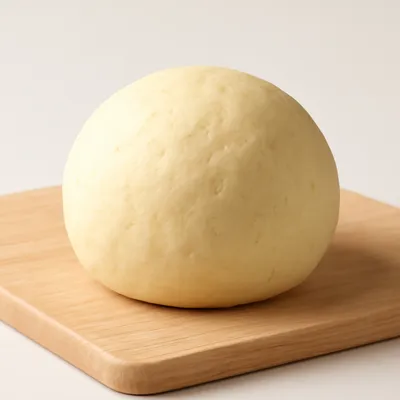
Masa as a thickener acts very differently from cornflour or wheat flour. Nixtamalized corn (lime-treated, then ground) has hydrated starch granules already partly gelatinised — when you whisk masa slurry into simmering broth, it sets in seconds and gives a smooth, slightly tangy body that wheat roux can't match. The two non-obvious rules: the slurry must start cool (hot liquid seizes masa into rubber lumps), and you must stir constantly during the 90-second thickening (still masa scorches instantly on the pot bottom). Get those right and the stew is silken; miss them and it's grainy or burnt.
Variations
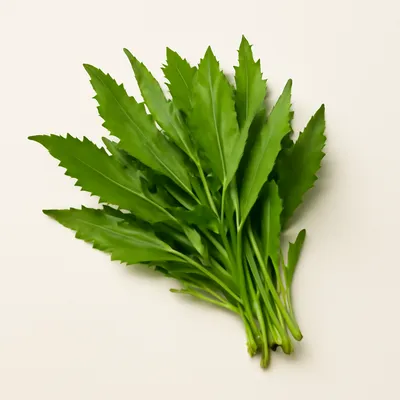
Wedding atápakua de res with beef and squash; funeral version with bitter mustard greens and chicken; Lenten atápakua with nopales and no meat — each town keeps its own combinations.
On the Palate
Where Atápakua sits in the Mexican flavor cloud
Ingredients
Serves 6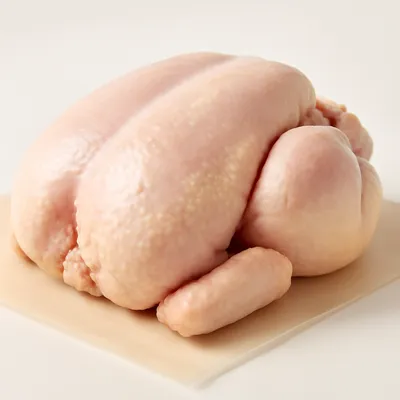




How it's made
8 steps · 1 hour active + 30 min waiting
- 135 min
Simmer 1.2kg bone-in chicken pieces (thighs and drumsticks) in 1.5L lightly salted water with 1 onion halved, 3 garlic cloves, and 2 sprigs of epazote, 30 minutes until tender. Reserve broth (you'll need 1L). Pull chicken off the bones in large pieces.
- 218 min
Toast 3 chile guajillo and 2 chile pasilla on a dry comal 30 seconds per side. De-stem, de-seed, soak in hot water 15 minutes.
Watch outAnchos and pasillas char fast — pull at the first puff of smoke.
- 36 min
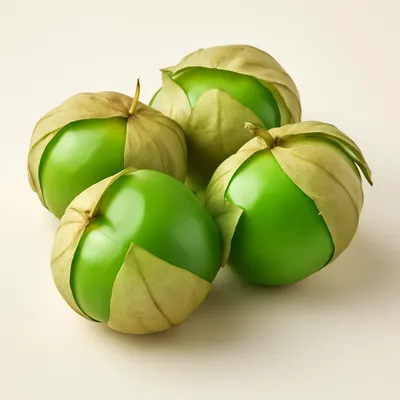
Boil 8 husked tomatillos and 1 jalapeño 5 minutes until they turn olive-drab. Drain.
- 44 min
Blend the soaked chiles, boiled tomatillos, jalapeño, 3 garlic cloves, and 200ml chicken broth until smooth.
- 55 min
Whisk 120g fresh masa (or 80g masa harina rehydrated with 240ml water) with 400ml cool chicken broth into a smooth slurry — no lumps. This is the thickener.
Watch outAdd hot broth and the masa seizes into rubbery balls — the slurry must start cool.
- 68 min
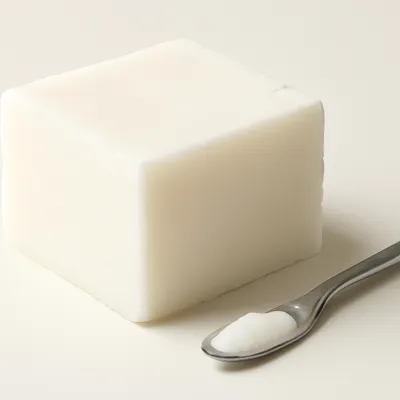
In a wide pot, heat 30ml lard over medium-high. Pour in the blended chile-tomatillo salsa, fry 4 minutes until darkened and the fat separates. Pour in the masa slurry and the remaining 400ml broth. Whisk constantly as it comes to a simmer — the masa thickens the stew within 90 seconds.
Watch outStop whisking and the masa scorches on the bottom — keep moving.
- 712 min
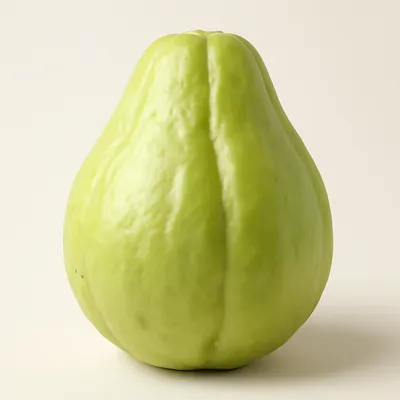
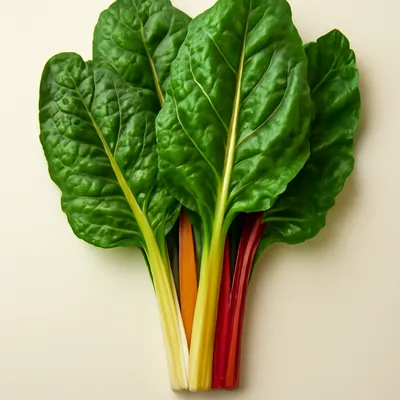
Add the pulled chicken, 1 chayote peeled and cut into 2cm dice, and 200g chopped wild greens or chard. Simmer 12 minutes — chayote should be just tender and the stew should drape from a spoon. Salt to taste.
- 82 min
Serve in deep bowls with warm corn tortillas folded on the side. Atapakua is eaten with the tortilla as utensil — torn pieces scoop the stew.
Archive tool suggestions — not reviewed
These legacy suggestions have not been evidence-reviewed and are not presented as required tools.