
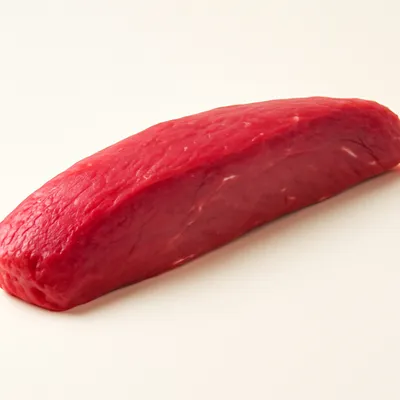
A long, thin strip of grilled beef — cut from the whole tenderloin or top round and butterflied open so it cooks fast and chars at the edges — plated as a composed sampler of the northeast. Around the meat go a green enchilada or two, strips of roasted poblano (rajas), a mound of guacamole, refried beans, and a slab of grilled white cheese. It is less a single dish than an edible map of the Huasteca, every element on the oval platter standing in for a feature of the Tampico region. Eaten with a stack of warm tortillas, it became the template for the steak-platter combination served across Mexico.


The dish was created in 1939 by José Inés Loredo, a restaurateur raised in the Gulf port of Tampico, Tamaulipas, together with his brother, the cook Fidel Loredo. Loredo conceived the platter as a tribute to the Huasteca country around Tampico, and the plating is a deliberate edible map: the oval platter is the Huasteca, the long strip of grilled beef is the Río Pánuco, the green enchiladas are the huasteco fields, the white cheese is the purity of the region's people, the guacamole is its fruit, and the black beans are both the fertile land and the area's oil boom. Sources differ on the exact birthplace — some place its creation at the Loredo brothers' Mexico City restaurant, others in Tampico itself — but the 1939 date, the Loredo authorship, and the Tampico homage are consistent across accounts. Its inventor was a Tampico man, and the dish carries the city's name; from there it spread until almost every Mexican restaurant offered a version.
The beef is the giveaway — sliced long and thin and grilled hard, so the edges take on a charred, faintly bitter crust while the center stays just pink and juicy. You eat across the platter rather than down it: a forkful of steak, then a bite of the soft green enchilada with its tart tomatillo sauce, then cool guacamole, then a smear of beans, then the salty pull of the grilled cheese. The poblano strips are sweet and a little smoky. Warm tortillas tie it together — tear one, pile on a bit of everything, and the platter becomes a series of tacos you build yourself.
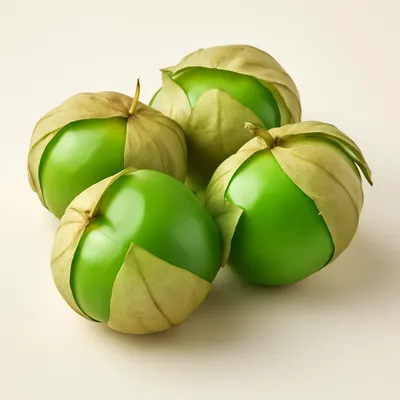
The cut is the heart of the technique: a whole tenderloin or top round is opened out into one long, even sheet maybe a centimeter thick, so it grills in two or three minutes a side. That thinness is what lets the surface reach Maillard browning — the deep savory char — before the inside overcooks; a thick steak could never take this much fire without drying. Everything else on the plate is a finished component cooked separately: the enchiladas are dipped in green tomatillo sauce and folded, the rajas are poblanos charred and peeled so the skin slips off and the flesh sweetens, the cheese is a firm grilling type (asadero or panela) that browns and softens but holds its slab without melting away. The platter is built à la minute and served the moment the beef comes off the heat.
Variations
Beef varies by house and budget — purists insist on the full tenderloin strip, while many restaurants use top round or arrachera and call it tampiqueña all the same. The enchilada may be green (tomatillo) or red, and the cheese may be a grilled slab or a melted queso fundido. Some versions add a roasted spring onion (cebollita) or a strip of chorizo, and outside the northeast the platter often grows heavier with rice and a fried egg. The Loredo family's own restaurants long served what they hold to be the original specification.
On the Palate
Where Carne Asada a la Tampiqueña sits in the Mexican flavor cloud
Butterfly the beef into one even sheet about a centimeter thick so it grills in two to three minutes a side — that thinness is what lets the surface hit deep Maillard char before the inside overcooks and dries.
Ingredients
Serves 2


How it's made
7 steps · 35 min active + 10 min waiting
- 18 min
Butterfly a tenderloin or top round into one long, even sheet about a centimeter thick; season with salt, pepper, and lime, and let it sit briefly.
Watch outAim for one even centimeter throughout; a thick spot will still be raw when the thin edges are done.
- 212 min
Make a green sauce from boiled tomatillos, serrano, onion, and garlic; dip corn tortillas in it, fill with cheese, and fold into enchiladas.
- 38 min
Char poblano peppers over flame until blistered, steam in a covered bowl, then peel and slice into rajas.
Watch outChar the poblanos until the skin blisters black all over, then steam covered so the skin slips off easily.
- 46 min
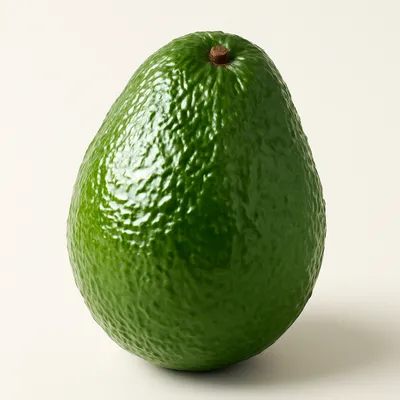
Mash avocado with onion, cilantro, lime, and salt for the guacamole, and warm a pan of refried beans.
- 55 min
Grill the beef over high heat, two to three minutes a side, until the edges char and the center is just pink; rest one minute.
Watch outFlip when the first side shows a deep char and pull it while the center is just pink; rest one minute.
- 63 min
Grill a slab of asadero or panela cheese until browned and softened.
- 73 min
Lay the beef strip down the oval platter and arrange the enchiladas, rajas, guacamole, beans, and grilled cheese around it; serve at once with warm tortillas.
Archive tool suggestions — not reviewed
These legacy suggestions have not been evidence-reviewed and are not presented as required tools.


