Pre-Columbian fermented sap (aguamiel) of the maguey plant — milky-white, slightly viscous, gently sour, 4-7% ABV. Drunk fresh; spoils within days.

Pulque predates the Mexica by centuries — the Toltec record references it, and Mexica cosmology had a goddess (Mayahuel) of the maguey and 400 rabbit gods (Centzon Totochtin) of drunkenness. Restricted under Mexica law to elders, priests, and pregnant women, it became broadly available after the Spanish conquest and was the dominant alcoholic drink of central Mexico through the 19th century. Hacienda pulqueras around Apan in Hidalgo state shipped pulque by rail to Mexico City pulquerías. Beer overtook pulque in the 20th century, but pulquerías never fully closed; a small revival has been underway in CDMX since the 2010s.
Predates the Mexica — Toltec sources reference it, and Mexica law restricted it to elders, priests, and pregnant women. The milky viscosity comes not from yeast but from Zymomonas mobilis and lactic-acid bacteria producing exopolysaccharides. Apan in Hidalgo state was the rail-shipped pulque heartland through the 19th century.
Pour and pulque settles white and slightly slow, like thinned coconut milk. The first sip is sour-sweet with a yeast-bread tang and a strange slickness on the tongue — bacterial polysaccharides give it a viscosity unlike any other fermented drink. ABV is light, pleasure builds across the second and third glass. Drunk with botanas (snacks) — chicharrón, pickled chiles, salted peanuts. Strange on first encounter; addictive on the third visit.
The viscosity and milky appearance are the giveaways — they come not from yeast but from Zymomonas mobilis and lactic-acid bacteria producing exopolysaccharides during fermentation. Yeasts (mostly Saccharomyces cerevisiae from the wild) provide alcohol; the bacteria provide texture and the characteristic sour edge. This bacterial-driven profile makes pulque biologically unstable — the polysaccharides break down within days post-ferment, and the drink turns thin and harsh. That's why pulque has no shelf life: it's a pre-distillation, pre-pasteurisation drink fundamentally tied to time and place.
Variations
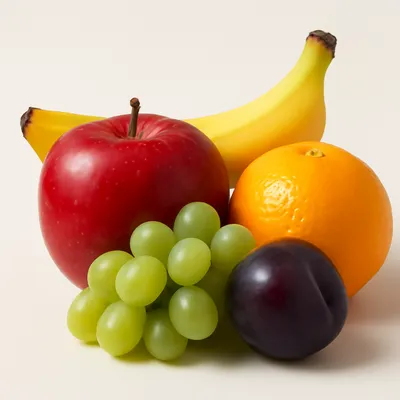
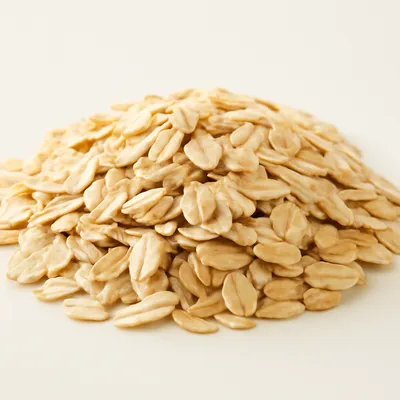
Pulque blanco is the unflavored base; pulques curados blend it with fruit (guava, oats, celery, walnut, strawberry); modern CDMX pulquerías like Las Duelistas and La Pirata have driven the 2010s revival; Apan haciendas still produce on the old hacienda model.
On the Palate
Where Pulque sits in the Mexican flavor cloud
Ingredients
Serves 4How it's made
6 steps · 1 hour active + 2 days 23 hours waiting
- 130 min
Production note: pulque is a regional fresh product made by tlachiqueros, not a home craft. Mature maguey pulquero (Agave salmiana or atrovirens) is castrated at 8-12 years — the central bud (mezontete) is cut out before the plant flowers, creating a hollow.
Watch outCut too early and sap flow is weak; the plant must be sexually mature to release its full sugar reserve.
- 260 min
The hollow scrapes daily for 4-6 months as the plant tries to send up its flowering stalk and instead pours sweet sap (aguamiel, «honey water») into the cavity. A single plant yields 4-7 litres per day at peak. The tlachiquero collects with a long gourd called an acocote, sucking the sap through it and transferring to leather or plastic pails.
- 310 min
Transfer fresh aguamiel (sweet, almost flat-tasting, ~10% sugar) to a tinacal — traditional cured open vat. Add a small amount of «semilla» (active pulque from the previous batch) as starter. Wild yeasts and Zymomonas mobilis bacteria do the fermentation — pulque is one of the few traditional fermented drinks where bacteria, not yeast, dominate.
Watch outThe semilla seeding establishes microbial dominance fast — without it, the aguamiel can sour to vinegar instead of fermenting to pulque.
- 44320 min
Ferment 24-72 hours at ambient temperature. The liquid turns from clear-amber to milky-white as bacterial polymers form — that opacity and slight viscosity are diagnostic of pulque. ABV climbs to 4-7%; pH drops to 4.0-4.2.
Watch outPulque is alive — fermentation continues. It must be drunk within 3-7 days or it goes hard-sour and unpleasant. Not bottle-stable in the industrial sense.
- 55 min
Optional «curado» variations: in the pulquería, the bartender blends pulque with mashed fruit (strawberry, mango, guava), oats, almonds, celery, or chile. Curados sweeten and disguise pulque's bacterial tang for newer drinkers; purists drink it natural.
- 61 min
Serve in tall narrow glasses or ceramic jarros at room temperature — pulque is never iced. Drunk in pulquerías across Mexico City, Hidalgo, Tlaxcala, and the Mexican High Plateau. A first taste reads strange (sour-sweet, slick, faintly yeasty); it grows on the drinker.