Cassola, in full sa cassola de pisci a sa casteddaia, is the great mixed fish stew of Cagliari in southern Sardinia. Tradition demands at least seven kinds of seafood in one pot, ideally seven to twelve, with scorpionfish and cuttlefish held indispensable, joined by octopus, whole bony fish, mussels and clams. They cook in stages into a dense tomato broth sharpened with garlic, chilli and Vermentino, and the stew is eaten with toasted bread, carasau or fregola. The name comes from the Spanish cazuela, the earthenware pan, a legacy of the island's long Aragonese age.


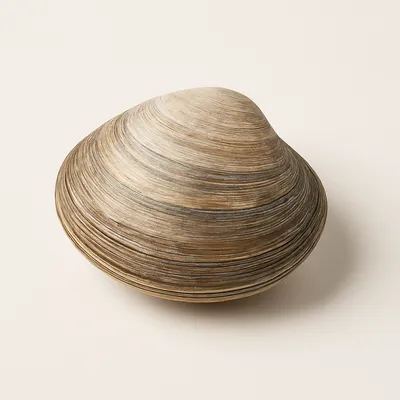
Cassola belongs to Cagliari and the coast of southern Sardinia, and began as a fishermen's dish. On boats that stayed at sea for weeks, the crew kept the small, unsellable fish, the scamaglio, and cooked it aboard with dried tomato, garlic and white wine, sopping it up with toasted civraxiu bread. Its name traces to the Spanish cazuela, the earthenware pot spread through Iberian-ruled Europe; the word cassòla appears in Cagliari's fourteenth-century civic records for an oven-cooked dish, and a close relative, the cazuela, is recorded around 1500 in the Libre de Coch, the first cookbook printed in Catalan. In 1842 the scholar Rossi listed cassòla de pisci among Cagliari's typical dishes, and in 2024 the Cagliari delegation of the Italian Academy of Cuisine named it one of the city's identity dishes. A 1982 authority on Sardinian cooking fixed the rule that at least seven varieties of fish, mollusc and crustacean are needed, cuttlefish and scorpionfish irreplaceable among them.
A spoonful is deep and briny, the tomato broth thick with the collagen of long-cooked octopus and cuttlefish; the scorpionfish flakes sweet and firm, the shellfish add a clean saline burst, and the chilli and Vermentino keep the richness bright. Bread dragged through the bottom of the pot carries the concentrated essence of a dozen creatures at once.
The staggered cooking is the whole technique. Octopus and cuttlefish go in first because their tough, collagen-rich muscle needs the longest heat: over about forty minutes of gentle simmering the collagen hydrolyses to gelatin, tenderising the flesh and thickening the broth into something almost velvety. Bony fish like scorpionfish and mullet follow for only a few minutes, just long enough to set their delicate proteins without falling apart. Mussels and clams are steamed open separately and folded in last with their liquor, adding a concentrated hit of sea salt and glutamates that would toughen if boiled from the start. Wine and tomato contribute acidity that both brightens the fat and helps break down connective tissue.
Variations
No two pots match; the catch decides the cast. Historic Cagliari versions drew on gurnard, eel, anchovy, stargazer and John Dory, each added by cooking time. Some families keep the broth loose as a soup poured over toasted civraxiu; others reduce it thick and serve it over fregola, the toasted Sardinian pasta pearls. A pinch more chilli marks the spicier southern style, while a splash of the mollusc liquor at the end is the common thread.
On the Palate
Where Cassola sits in the Italian flavor cloud
Ingredients
Serves 4

How it's made
8 steps · 40 min
- 120 min
Clean all the fish: gut and scale the scorpionfish and red mullet, clean the cuttlefish and octopus, and purge the mussels and clams in salted water.
- 210 min
Cut the octopus and cuttlefish into pieces, and leave the bony fish whole or in large chunks.
- 38 min
In a wide earthenware or heavy pan, warm olive oil with sliced onion, whole garlic cloves and chopped chilli, and soften without colouring.
- 46 min
Add the octopus and cuttlefish and let them take colour, then pour in the Vermentino and let it evaporate.
Watch outLet the octopus and cuttlefish take real color before the wine goes in — that browning is the base flavor of the whole stew.
- 540 min
Add the peeled tomatoes, cover, and simmer gently for about forty minutes until the seafood is tender and the broth thickens.
Watch outSimmer the tough seafood a full forty minutes until fork-tender and the broth turns velvety — that's the collagen melting into gelatin; rush it and the octopus stays rubbery.
- 65 min
Lay the scorpionfish, sea bream and red mullet on top and cook a further five minutes, without stirring hard, so they hold together.
Watch outLay the delicate fish on top and don't stir hard — nudge the pan only, or the fillets break apart.
- 78 min
Meanwhile steam the mussels and clams open in a covered pan with a little water, discarding any that stay shut.
- 83 min
Fold the opened shellfish and their strained liquor into the stew, add parsley, simmer two minutes, and serve hot over fregola or toasted bread.
Archive tool suggestions — not reviewed
These legacy suggestions have not been evidence-reviewed and are not presented as required tools.



