Germany's classic braised red cabbage and the default side under a Sunday roast. Finely shredded red cabbage is cooked slowly with apple, onion, cloves and bay, sharpened with vinegar and rounded with sugar, until it turns soft, deep wine-purple and glossy. In Bavaria, Austria and the south it is known as Blaukraut, and the colour itself is the giveaway of how it is seasoned. It is the standard partner to Sauerbraten, roast goose, duck and pork, where its sweet-sour edge cuts the fat of dark, rich meat.
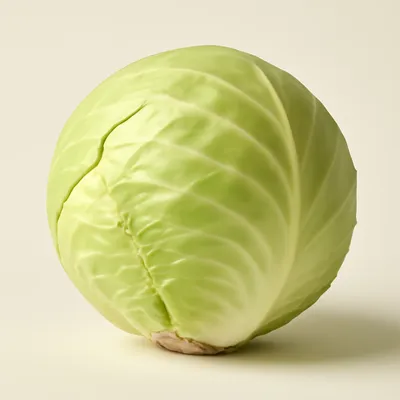


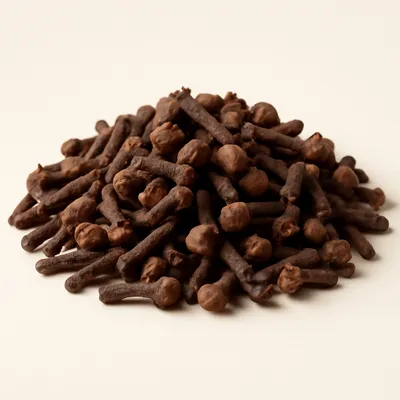


Rotkohl is a pan-German Beilage rather than a dish of any single Land, and its name shifts with the map: in the north and Rhineland it is Rotkohl ("red cabbage"), in Bavaria and Austria Blaukraut ("blue cabbage"), and in parts of the southwest Rotkraut. The split is not arbitrary — it reflects the vegetable's own chemistry. The same red cabbage was a cheap, frost-hardy winter staple across German-speaking lands, and the habit of braising it long with apple, spices and a sweet-sour seasoning turned a humble keeping-vegetable into the festive side now inseparable from Christmas goose and the Sunday Braten. Its pairing with Sauerbraten and roast game is documented across regional German cookbooks, where it stands as the standard counterpart to red cabbage's sourer, fermented cousin Sauerkraut.
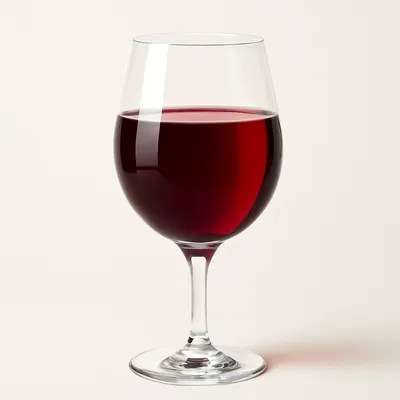
Soft, silky ribbons of cabbage in a deep ruby-purple, glossy with rendered fat, tasting sweet-sour first and warmly spiced underneath with clove and bay. There is a faint fruitiness from the apple and, in many versions, a winey depth from a splash of red wine or its own braising juices. It is tender and yielding, never crunchy, and the colour is vivid rather than dull. Spooned beside dark meat, it lifts and cuts the richness; cold leftovers eaten the next day taste even rounder.
The colour is pure pH chemistry. Red cabbage owes its hue to anthocyanin pigments that act as a natural indicator: in acid they turn bright red, in neutral-to-alkaline conditions they shift toward blue-purple. Cooks add vinegar (or wine, or apple) partly to lock in and brighten the red — without acid, hard water or an iron pot will pull the cabbage toward a dull blue, which is exactly why the same vegetable is "Blaukraut" where it is seasoned less sharply. Beyond colour, the long, gentle braise breaks down the cabbage's tough cell walls into softness, the sugar-and-vinegar balance is set by taste, and the dish reheats well because the flavours keep marrying as it sits.
Variations
Seasonings vary by region and household: Bavarian Blaukraut leans sweeter with apple and sometimes a splash of red wine; northern versions can be tarter; redcurrant jelly, a grated raw potato, or goose fat are common enriching additions. Cloves are often studded into an onion for the pot and fished out before serving. It is distinct from fermented Sauerkraut, which is sour by lacto-fermentation rather than by added vinegar, and from fresh-braised white Bayrisch Kraut.
On the Palate
Where Rotkohl sits in the German flavor cloud
Ingredients
Serves 6
How it's made
6 steps · 25 min active + 45 min waiting
- 110 min
Quarter, core and finely shred the red cabbage.
- 26 min
Render goose fat or lard in a heavy pot and sauté chopped onion until soft.
- 35 min
Add the shredded cabbage and stir until it begins to wilt and colour.
- 44 min
Stir in grated apple, sugar, a good splash of vinegar, bay leaf and an onion studded with cloves.
Watch outAdd a good splash of vinegar with the cabbage — the acid locks in the bright red; without it, hard water or an iron pot drags the anthocyanins to a dull blue.
- 545 min
Pour in a little stock or red wine, cover, and braise gently over low heat about 45 minutes, stirring occasionally.
Watch outBraise gently, covered, about 45 minutes until the shreds turn silky-soft — the long low heat is what breaks down the tough cell walls; taste and rebalance sweet against sour at the end.
- 64 min
Discard the clove onion and bay, adjust the sweet-sour balance with sugar, vinegar, salt and pepper, and serve hot.
Archive tool suggestions — not reviewed
These legacy suggestions have not been evidence-reviewed and are not presented as required tools.



