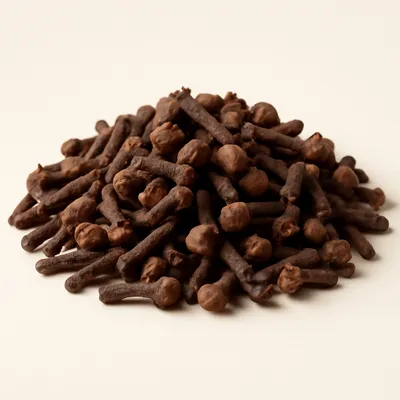
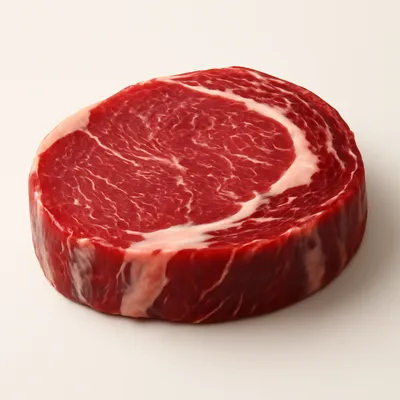
Pfefferpotthast is the old peppery beef stew of Dortmund: cubes of beef seared in fat, braised long and slow with onions, bay, cloves and allspice and a heavy hit of pepper, then thickened with pumpernickel breadcrumbs and brightened with a little lemon or vinegar. The result is a dark, thick, sharply spiced ragout of fork-tender meat, traditionally served with boiled potatoes and pickled cucumbers or beetroot. It is a civic emblem of Dortmund, celebrated each autumn at the Pfefferpotthastfest on the Alter Markt.





Pfefferpotthast is first documented in Dortmund in 1378, named in a chronicle account of Agnes von der Vierbecke, and is closely tied to the city's standing as a major inland Hanseatic town in the late Middle Ages. The name joins 'Pott' (Westphalian for pot) with 'Pfeffer'; while it suggests pepper, 'Pfeffer' in medieval cookery likely denoted any heavily spiced braise. Pepper and other spices were costly imports moving along Hanseatic trade routes, so a strongly peppered pot of meat advertised a prosperous merchant town. The dish survives as Dortmund's signature, honoured by a bronze Pfefferpotthast figure in the city and an annual festival.
The gravy is dark brown and thick, almost porridge-like from the dissolved pumpernickel, and clings to the meat. The beef has braised to the point where the cubes give way under a fork and the connective tissue has gone to silk. Up front is a real bite of black pepper, rounded by warm clove and allspice, with a sour lift of lemon or vinegar at the end that keeps the richness in check. It is eaten with boiled potatoes to soak the sauce, and tart Salzgurken or beetroot on the side.
This is collagen cookery. Cheap, sinewy cuts like beef shin or chuck are seared for Maillard colour, then held at a bare simmer for two hours or more so the tough connective-tissue collagen slowly hydrolyses into gelatin — that is what turns the cubes tender and gives the sauce its body. Instead of a flour roux, grated pumpernickel or dark-rye breadcrumbs are stirred in: the bread's starch and fibre swell and thicken the liquid while adding a malty, slightly sour rye note. The acid from lemon or vinegar, added late, sharpens the spice and balances the gelatin-rich, fatty broth.
Variations
Recipes split between a leaner, more strongly peppered version and a milder, sweeter-spiced one; some cooks add capers along with the lemon for extra sharpness. The thickener may be true grated pumpernickel, plain rye breadcrumbs or, in lighter modern versions, a flour or roux finish. Seasonal serving differs by old custom — boiled potatoes and salad in summer, pickled cucumbers and beetroot in winter. In Westphalia it is often plated with Stielmus (turnip-greens) purée, and it sits among the region's hearty one-pot braises like Töttchen, a paler offal ragout from the Münster area.
On the Palate
Where Pfefferpotthast sits in the German flavor cloud
Ingredients
Serves 4
How it's made
6 steps · 30 min active + 2 hours waiting
- 110 min
Cut the beef shin or chuck into large cubes and season with salt and plenty of black pepper.
- 212 min
Sear the cubes in hot lard until well browned on all sides, then lift them out.
- 38 min
Soften sliced onions in the same fat until golden, scraping up the browned bits.
- 4120 min
Return the beef, add bay leaves, cloves, allspice and water or stock to cover, and braise gently for 2 hours or more until fork-tender.
Watch outHold it at a bare simmer for two hours or more until fork-tender — this cheap sinewy cut only turns silky once the collagen melts to gelatin.
- 515 min
Stir in grated pumpernickel or rye breadcrumbs and simmer until the sauce is dark and thick.
Watch outStir in the rye breadcrumbs and simmer until the sauce turns dark and thick — that bread is the thickener in place of a flour roux.
- 68 min
Sharpen with lemon juice or a splash of vinegar, adjust the pepper, and serve with boiled potatoes and pickled cucumbers or beetroot.
Archive tool suggestions — not reviewed
These legacy suggestions have not been evidence-reviewed and are not presented as required tools.



