



Documented in Rhineland and Westphalia since the 18th century, when potatoes became staple crop in central Europe (introduced from the Americas via Spain in the 16th century, mainstream by 1750). The grated-pancake form is older than potatoes themselves — earlier versions used grain or root vegetables — but the potato made it cheap winter food. Christmas market and Kirmes (parish fair) presence cemented its regional identity by the 19th century.
Rhineland and Westphalia since the 18th century, riding the post-1750 spread of potatoes through central Europe. Squeeze the shred dry, then stir back the starch that settles from the drained liquid — that starch is the only binder that matters, more than egg or flour. Oil at 170°C; cooler and the potato drinks oil.
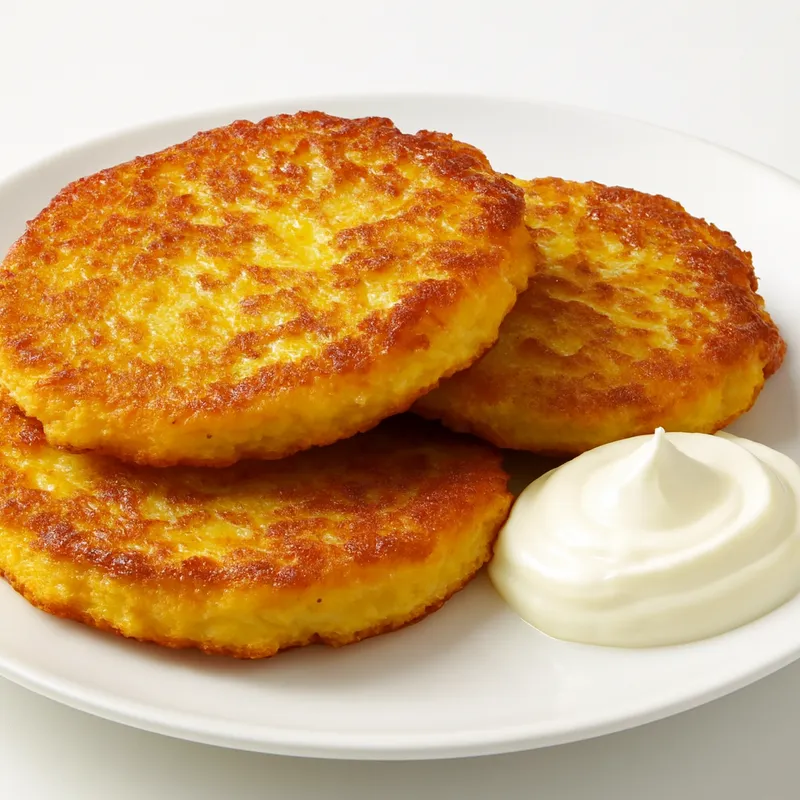
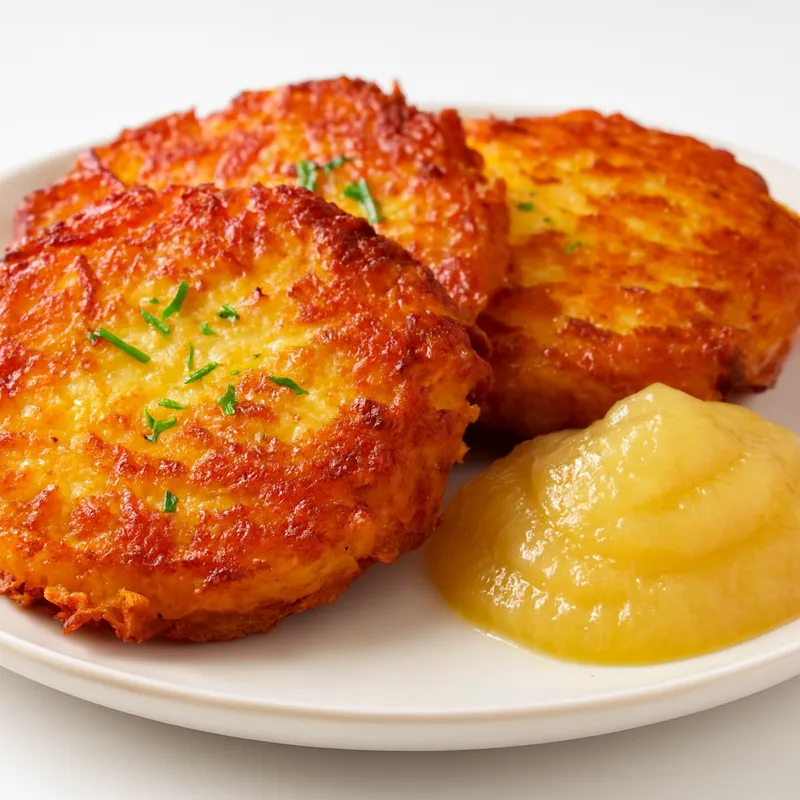
Shredded raw potato pancakes, bound with egg and a little flour, fried in hot oil until the edges turn lacy-brown. Eaten hot off the pan, three or four to a plate, with chunky apple sauce or black bread. Rhineland street-fair staple — you smell them before you see them. Sweet apple plus salty potato is the contract; one without the other isn't the dish.
Grated potato releases water and starch within minutes — both must be managed. Squeeze the shred hard in a cloth (skip this and the pancake steams instead of frying), then return the settled starch from the bottom of the drained liquid; that starch is the only binder that matters, more than egg or flour. Frying oil must stay near 170°C — too cool and the potato absorbs oil, too hot and the outside browns before the inside cooks. Crisp on first bite, never reheated.
Variations
Rheinischer Reibekuchen (with apple sauce, Köln Christmas market standard); Kartoffelpuffer is the broader pan-German term; Swiss Rösti uses cooked potato (different starch behavior); Jewish latke is the Ashkenazi cousin; Korean gamja-jeon shares the squeeze-the-water step.
On the Palate
Where Reibekuchen sits in the German flavor cloud
Ingredients


How it's made
5 steps · 40 min
- 14 min
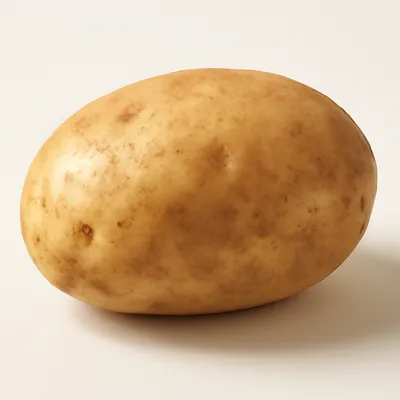
Grate potatoes and onions, then squeeze out excess liquid.
Watch outWring the grated potato bone-dry in a cloth, then scrape the settled starch back in — that starch is the real binder, skip the squeeze and it steams instead of frying.
- 23 min
Mix with egg, flour, and salt to form a batter.
- 35 min
Heat oil in a pan and drop spoonfuls of the mixture to form pancakes.
Watch outOil's ready when a shred dropped in sizzles briskly right away — too cool and the pancake drinks oil, too hot and it browns before the middle cooks.
- 48 min
Fry until golden and crisp on both sides.
Watch outFry to a deep even gold and crisp — serve it straight away, it goes limp once it sits.
- 52 min
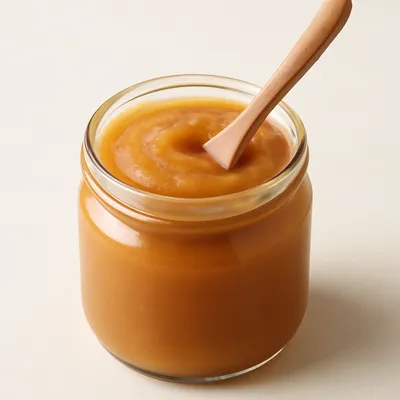
Serve hot with a side of apple sauce.
Archive tool suggestions — not reviewed
These legacy suggestions have not been evidence-reviewed and are not presented as required tools.