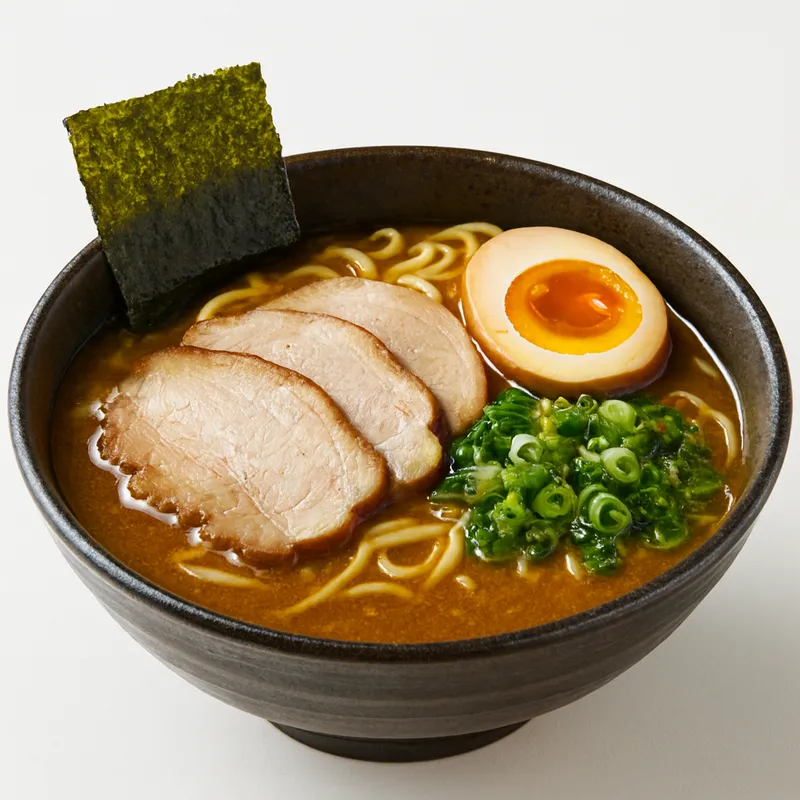
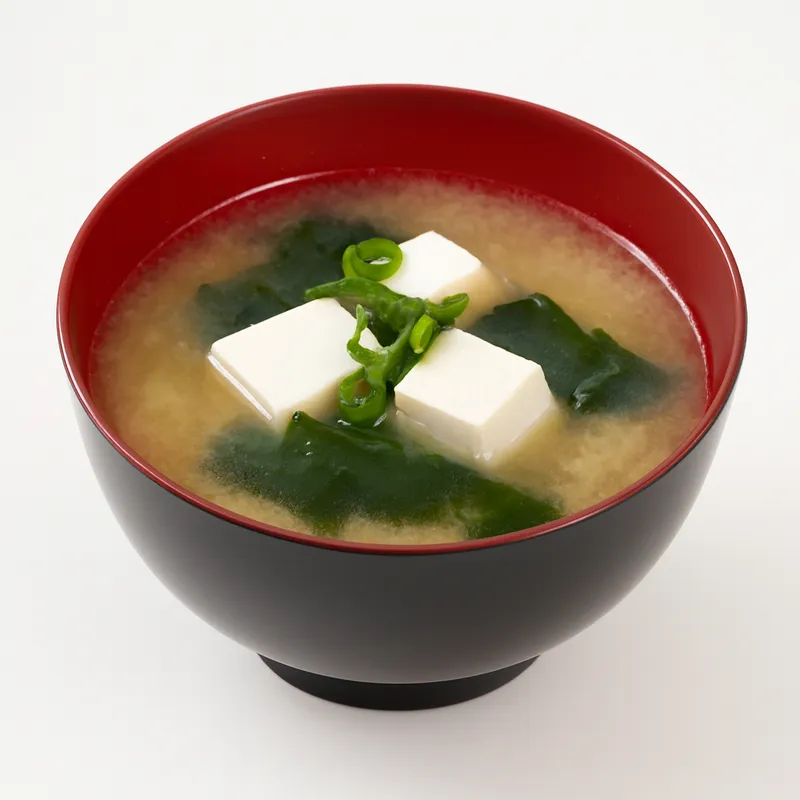
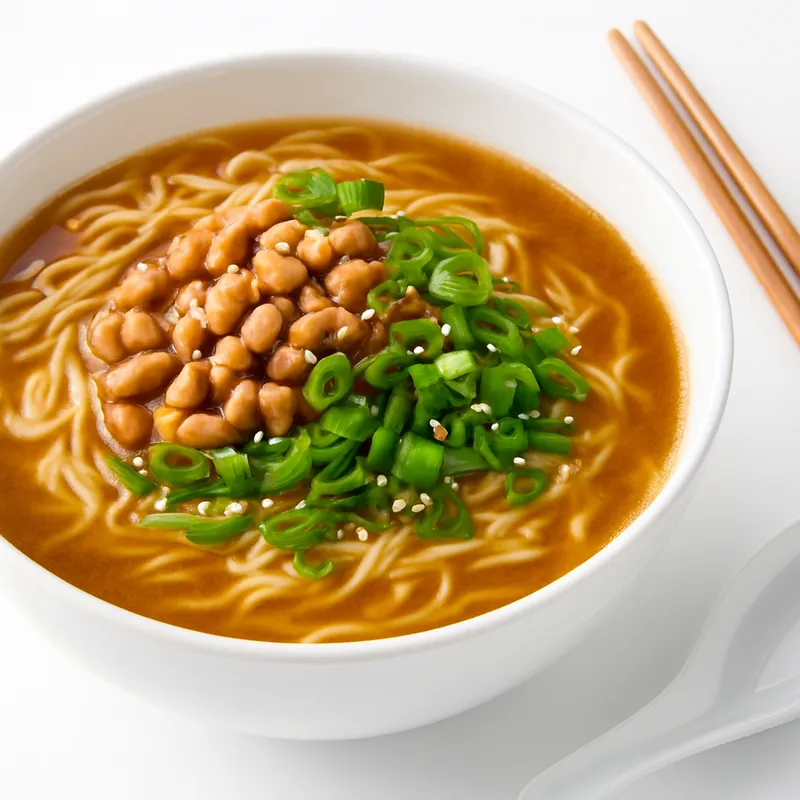
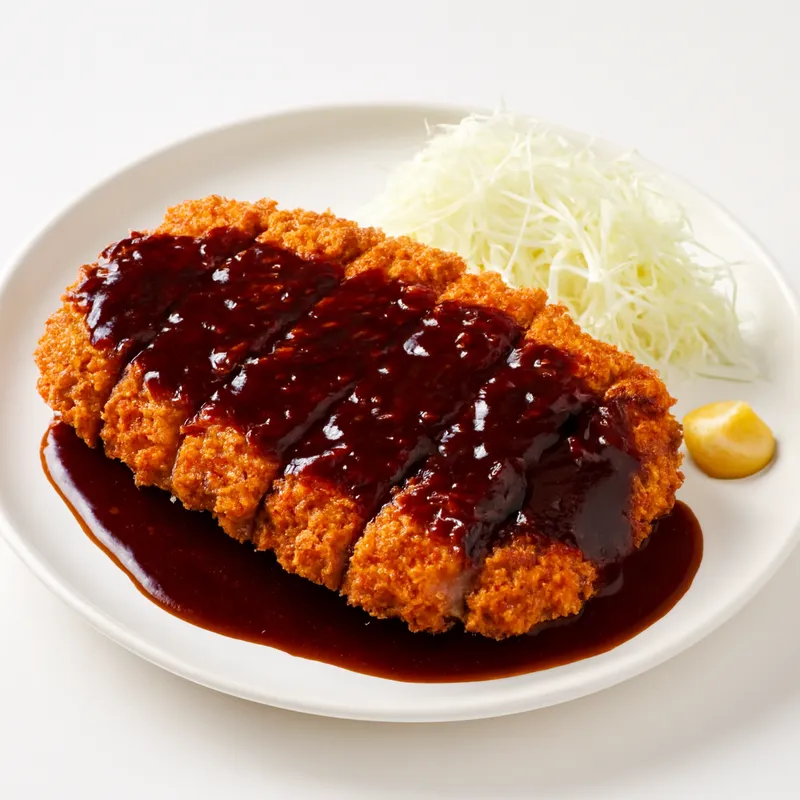
Hatchō Miso is a concentrated paste made from soybeans and salt, aged for over two years in cedar barrels under the weight of heavy river stones. Its color is a deep, mahogany brown, and its aroma speaks of earth and umami, with a slight hint of fermented sweetness. The paste is dense, requiring only a small amount to impart its full-bodied flavor. To prepare, a cook would first soak and steam soybeans, then mix with koji and salt, allowing nature's slow fermentation to take its course. In dishes like Miso Katsu, the miso's hearty flavor envelopes the fried cutlet, providing a savory contrast to the crispy exterior. In Miso Ramen, the miso's depth enriches the broth, giving it a robust character that clings to each noodle. The test of a well-made Hatchō Miso dish lies in the balance—it should never overpower but instead elevate the ingredients, leaving a lingering umami on the palate long after the meal ends.
Where it comes from
In the early 17th century, amidst the bustling trade routes of Aichi Prefecture, Hatchō Miso emerged in the small town of Hatchō, now part of Okazaki. The local climate, with its humid summers and cold winters, provided the perfect conditions for fermenting the soybeans and salt into a robust miso. The nearby Yahagi River offered a steady supply of water, essential for the miso's meticulous production process. It was the era of the Edo period, a time when preservation was key, leading to the development of long-lasting ingredients like Hatchō Miso. As the Edo period blossomed, Hatchō Miso traveled along the Tōkaidō, the main road connecting Kyoto and Edo (now Tokyo), becoming a staple in samurai diets for its nutritional value and long shelf life. While other regions in Japan adapted miso to their local tastes, using white rice or barley, Hatchō Miso remained steadfast, known for its dark, rich, and almost chocolate-like depth, a hallmark of its origins in Nagoya.
In the kitchen
Hatchō Miso, a deeply savory paste, defines Nagoya's bold culinary identity with its earthy intensity.