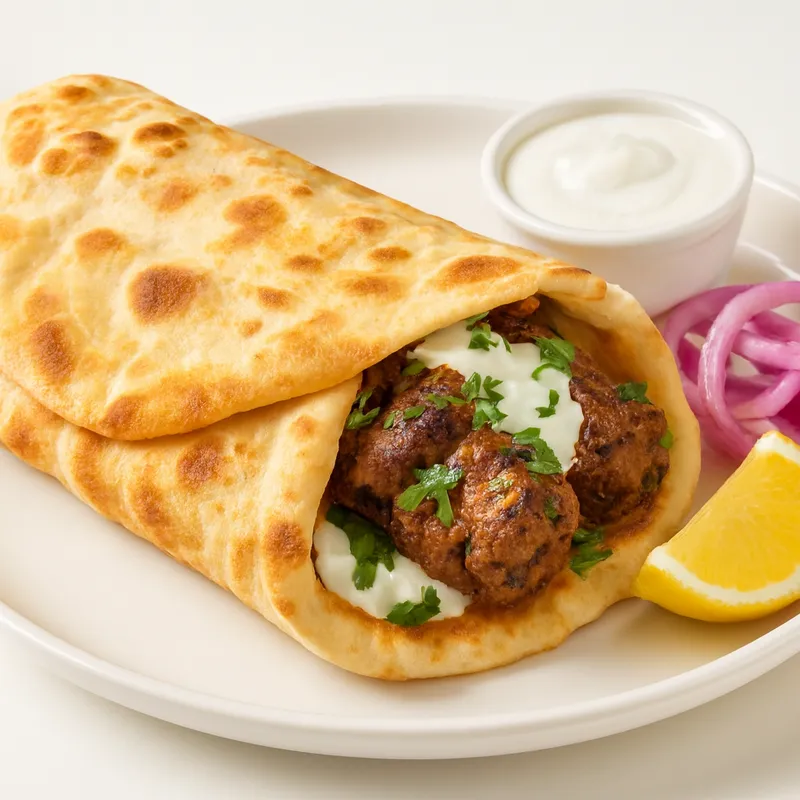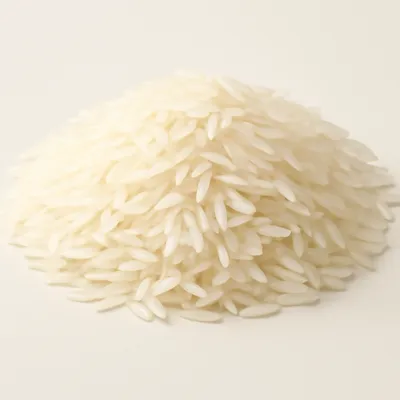


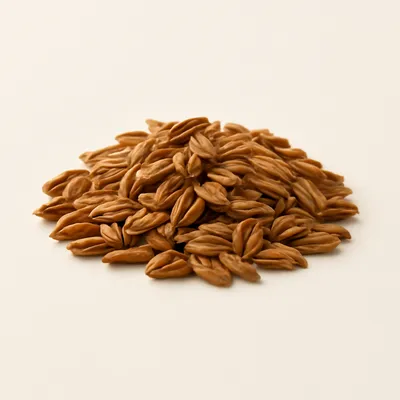
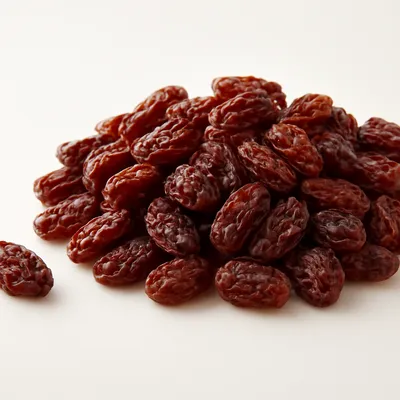
The Uyghur form of the wide Central Asian pilaf family (Uzbek osh, Persian polo, Indian pulao) — all part of the Silk Road belt of lamb-and-rice pilafs, with the earliest record in a 13th-century Arabic text. Polu is the standard wedding and festival dish across Xinjiang, often cooked in giant wide-mouthed cast-iron kazan pots that can feed a hundred. The yellow carrot is regional: a sweet Xinjiang variety, earthier than the orange Western type and hard to find elsewhere, so other regions substitute the orange kind.
Uyghur pilaf in the wider Persian polo family, cooked in a flat-bottomed kazan that feeds a hundred at a wedding. The yellow Xinjiang carrot is sweeter than the orange Western type and is what carries the rice.
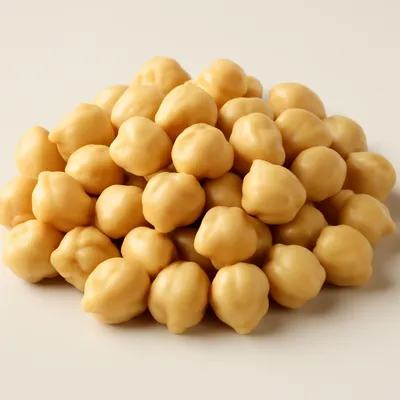
Long-grain rice cooked under a layer of lamb chunks, julienned carrots (yellow and orange), and onion, with cumin and sometimes raisins or chickpeas. The rice comes out separate-grained, deep amber from carrot and lamb fat. Eaten with the hand from a communal platter on holidays; a knob of fat-tail lamb on top is the prize piece.
Layering, not stirring. Lamb and onion fry in oil first; carrots go on top in a thick blanket, then water, then rinsed rice on top of that — the rice steams from below while the carrots release sugar downward into the broth. Stirring breaks the layers and gives mushy rice. The pot rests covered ten minutes off heat to finish.
Variations
Uzbek osh layers more carrot and adds chickpeas and quince; Tajik palov often goes with raisins and dried apricot; Xinjiang wedding-grade polu always crowns with a slab of fat-tail sheep fat.
On the Palate
Where Polu sits in the Uyghur flavor cloud
Layer everything and don't stir — lamb and onion fry first, carrots go on in a thick blanket, then water, then rice on top, so the rice steams from below while the carrots melt their sugar down into the broth; stir it and you break the layers and get mushy rice.
Ingredients




How it's made
6 steps · 43 min
- 15 min
Heat oil in a large pot over medium-high heat until shimmering. Add lamb pieces and cook, stirring occasionally, until browned on all sides, about 5 minutes.
Watch outGet the lamb sizzling and browned on all sides with a real crust before the onion goes in — pale, steamed-looking meat means the pan's not hot enough.
- 28 min
Add chopped onions to the pot and cook until they become translucent, about 3 minutes. Stir in julienned carrots, cooking until they begin to soften and absorb the oil, about 5 minutes.
Watch outAvoid browning the onions; they should be soft and translucent.
- 35 min
Season with salt and add water to the pot. Once the water reaches a boil, add a whole garlic bulb and a red hot pepper. Simmer for 5 minutes, then remove the garlic and pepper.
Watch outMake sure the water is boiling before adding the garlic and pepper to infuse their flavors.
- 415 min
Add cumin to the pot, stirring to combine. Lower the heat and let the mixture simmer gently for 15 minutes.
Watch outDo not let the mixture boil vigorously; a gentle simmer is key to developing flavors.
- 55 min
Increase the heat and add rice on top of the mixture without stirring. Once the water is no longer visible above the rice, spoon the rice towards the center, then place the garlic bulb and pepper back on top. Scatter raisins over the rice.
Watch outAdd the rice only once the broth is simmering, and spoon it toward the center when the water sinks below the surface — that's when the rice has drunk enough to steam.
- 65 min
Cover the pot with a lid and reduce the heat to low. Cook for 30 minutes, then remove the garlic and pepper. Stir everything together before serving.
Watch outThe rice is done when the grains stand separate and tender, not sticky — if it's still wet, give it the off-heat rest before stirring through.
Archive tool suggestions — not reviewed
These legacy suggestions have not been evidence-reviewed and are not presented as required tools.