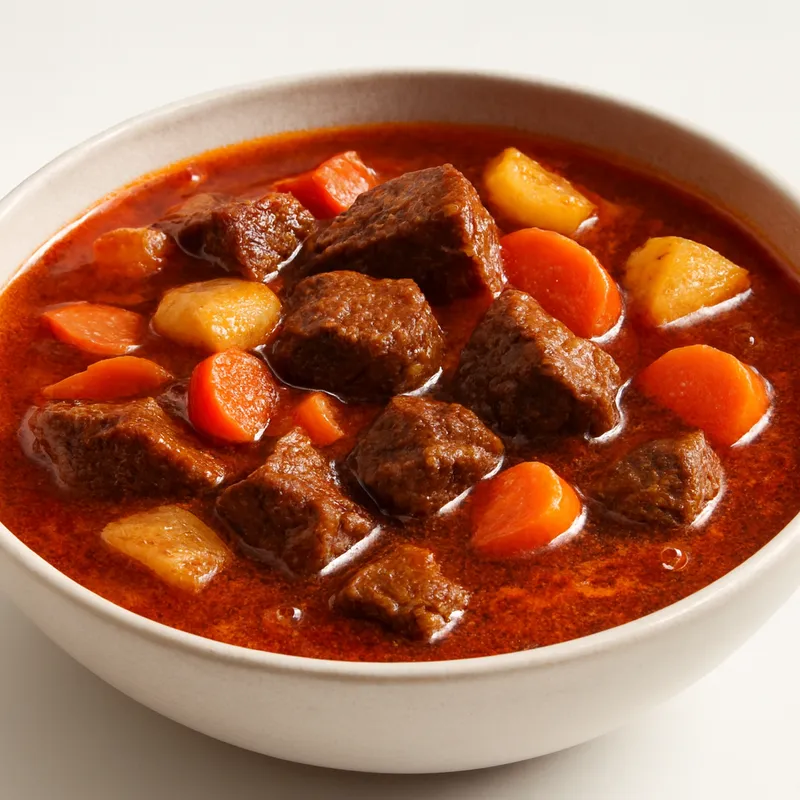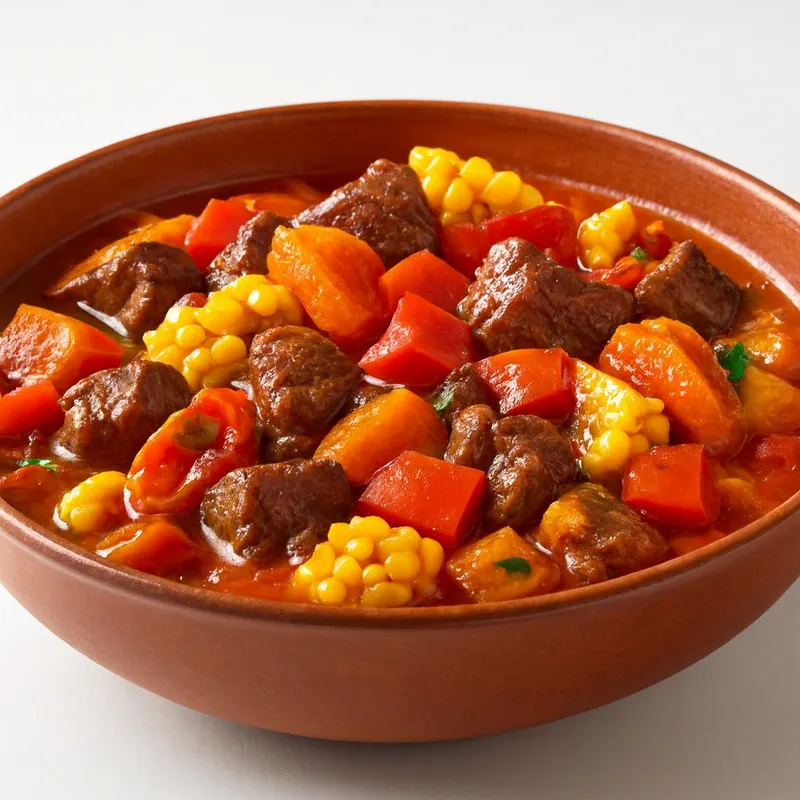


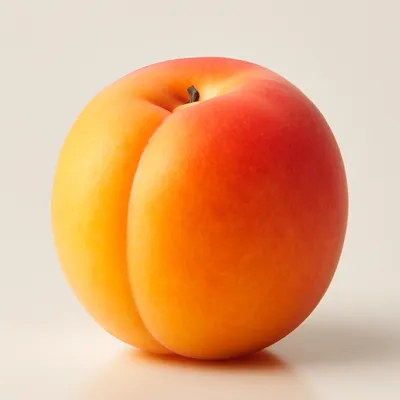
A criollo stew with roots in colonial-era Argentina (1500s–1810), when Spanish-style guisos met pampas beef and Andean produce. The pumpkin-shell version (carbonada en zapallo) is the festive form, traditionally cooked for May 25 (Día de la Patria) in the cool autumn — squash, corn, and stone fruit are all in season at once.
Mid-1800s criollo stew where Spanish guiso met pampas beef and Andean produce. The festive form (carbonada en zapallo) is served inside a hollowed pumpkin shell on May 25. Diced peach or dried apricot is the seasoning axis, not garnish — its acid plus fructose pulls the salt back.
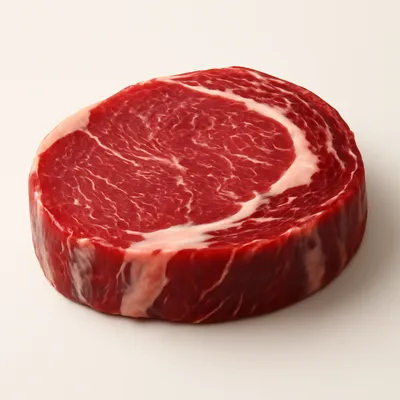
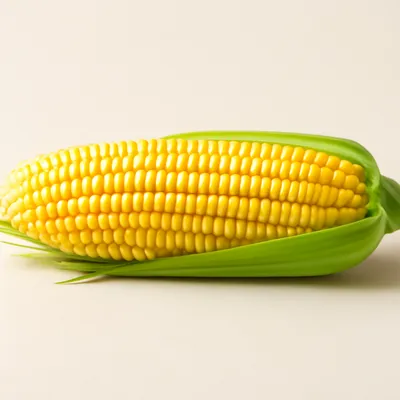
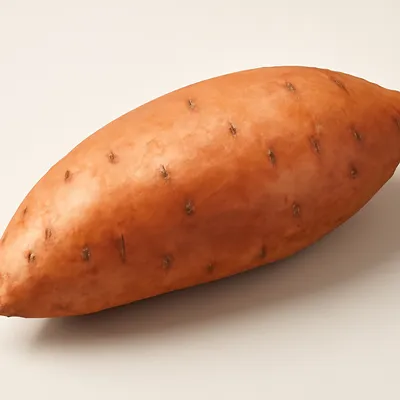
A thick beef stew in a hollowed-out pumpkin shell, served straight from the gourd. Inside: chunked beef, potato, sweet potato, corn-on-the-cob discs, and — the part that throws first-timers — diced peaches or dried apricots. The fruit dissolves into the broth and pulls the salt back. Eat with a spoon that scrapes the pumpkin wall along with the meat.
The dried fruit isn't garnish — it's the seasoning axis. Peach or apricot brings acid plus fructose; as it cooks down it caramelizes against the beef fond and rounds off the salt. Skip it and the stew tastes flat and one-note. The pumpkin shell isn't theatre either: it slow-steams the contents and contributes its own sweet flesh as you scrape down.
Variations
Carbonada en zapallo (in the pumpkin shell, the festive form); carbonada criolla in a regular pot is the everyday version; Chilean carbonada is brothier and skips the fruit; Mendoza versions sometimes add a glass of malbec to the braise.
On the Palate
Where Carbonada sits in the Argentinian flavor cloud
The dried fruit is the seasoning, not a garnish — the apricots and raisins have to cook down long enough to caramelize against the beef fond and round off the salt, or the stew tastes flat.
Ingredients










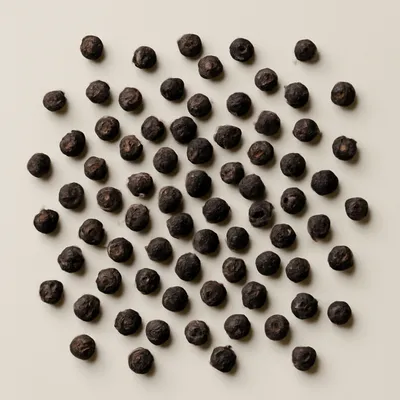

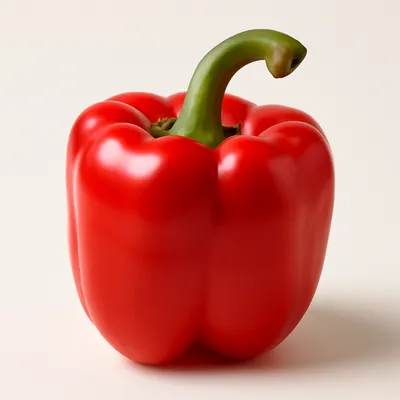


How it's made
5 steps · 1 hour 33 min
- 18 min
Melt butter and olive oil in a heavy casserole over medium-high heat. Lightly coat beef and pork cubes in flour and brown them in the casserole, turning to color all sides evenly, about 8 minutes.
Watch outThe meat should come out deep golden-brown on every face, not grey — that fond is the flavor base.
- 25 min
Remove the meat and sauté the diced onions in the same casserole until golden, about 5 minutes. Stir frequently to prevent burning.
- 345 min
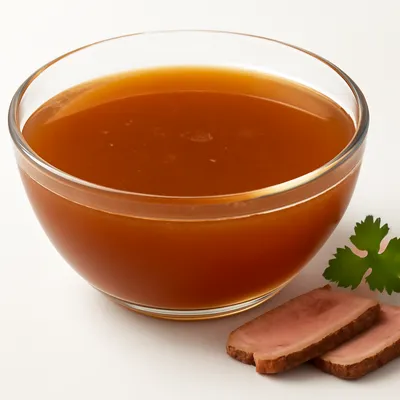
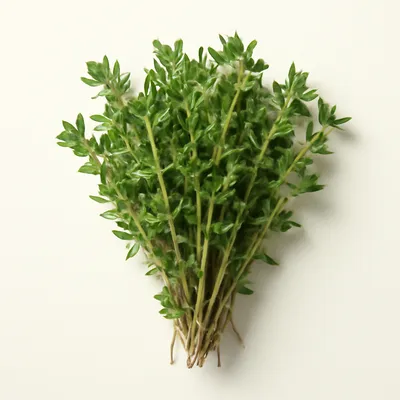
Return the meat to the casserole. Add red wine, beef broth, tomato paste, bay leaf, thyme, salt, and pepper. Stir well, cover, and let it simmer gently until the meat is tender, about 45 minutes.
Watch outMake sure to simmer gently; boiling can toughen the meat.
- 425 min
Add corn slices, cubed potatoes, and dried apricots. Continue to simmer until the potatoes are tender, about 20-30 minutes.
Watch outPotatoes are ready when a knife slips in with slight resistance; the apricots will have started softening into the broth.
- 510 min
Finally, add the frozen squash, cubed apple, and raisins. Cook for another 10 minutes until the squash is heated through and the flavors meld.
Watch outStop as soon as the squash is hot through — it should still be in recognizable cubes, not collapsed.
Archive tool suggestions — not reviewed
These legacy suggestions have not been evidence-reviewed and are not presented as required tools.