Northern Irish wholemeal soda bread, leavened with bicarbonate of soda and buttermilk — denser than wheat soda bread, sweeter from molasses or treacle.





Wheaten bread is the Ulster version of soda bread, made with wholemeal flour, treacle (or molasses), and buttermilk. It became Northern Ireland's daily bread when commercial yeast was unaffordable and when bicarbonate of soda became available in the 1840s. The bread is denser and slightly sweeter than the white soda bread popular in southern Ireland; it's the bread served with the Ulster fry, with soup, with Sunday tea.
A slice of wheaten bread is dense, nutty, faintly sweet, with the unmistakable tang of buttermilk soda bread. Spread with cold butter — Northern Irish slightly-salted, ideally — and the bread becomes a complete meal in its own right.
Wheaten bread's leavening comes from the chemical reaction between bicarbonate of soda and buttermilk's lactic acid — they produce CO2 immediately, so the bread must go in the oven within 5 minutes of mixing. Treacle provides moisture-retention and Maillard browning during baking; without it, the bread would dry out faster.
Variations
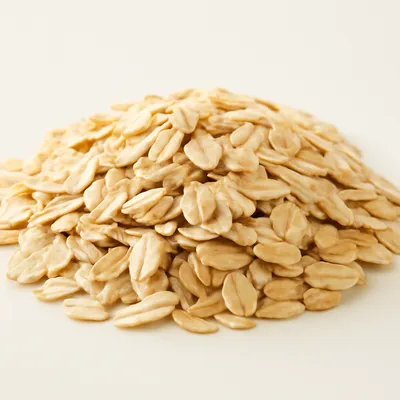
Belfast wheaten uses treacle and oats; Donegal version uses honey instead; in the Republic of Ireland the same wholemeal loaf is called 'brown bread' — nearly identical to Ulster wheaten — while there 'soda bread' tends to mean the white-flour version.
On the Palate
Where Wheaten Bread sits in the British flavor cloud
Get the loaf into the hot oven within five minutes of mixing — the CO2 from soda meeting buttermilk fizzes off fast, and once it's gone the crumb turns dense and heavy.
Ingredients
Serves 8How it's made
5 steps · 10 min active + 50 min waiting
- 13 min
Preheat oven to 200°C. Lightly grease and flour a loaf tin.
- 25 min
In a large bowl, combine 350g wholemeal flour, 100g plain flour, 1 tsp bicarbonate of soda, 1 tsp salt, 2 tbsp oats (optional, for topping).
- 33 min
Stir in 1 tbsp treacle (or molasses) dissolved in 350ml buttermilk. Mix briefly to combine — should be a wet, sticky dough.
Watch outThe dough should look wet and sticky, not smooth or dry — resist adding flour to firm it up.
- 43 min
Pour dough into prepared tin. Sprinkle top with extra oats. Make a deep cross in the top with a knife.
- 550 min
Bake 40-45 min until risen and brown — the cross should look 'cooked through.' Cool on rack 10 min before slicing. Serve thickly buttered with strong tea.
Watch outDone when deep brown and the cut cross looks dry and set; a skewer in the center comes out clean.
Archive tool suggestions — not reviewed
These legacy suggestions have not been evidence-reviewed and are not presented as required tools.