Thin, crisp rounds of toasted oatmeal bound with a little fat and hot water, baked dry until they snap. The defining biscuit of Scotland, eaten with cheese, smoked salmon or butter.
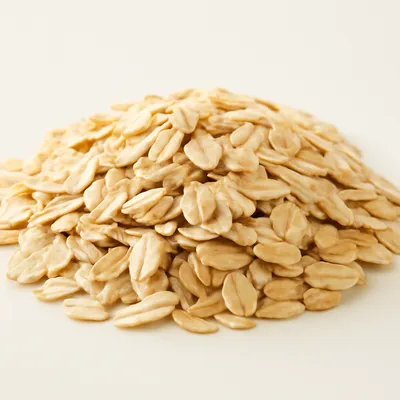



The oatcake is the oldest and most fundamental food of Scotland, a simple disc of oatmeal and water that predates wheat bread by centuries in the Highlands, where oats were the only cereal that would ripen in the short, wet growing season. Oats were the staff of life in Scotland well into the 19th century, eaten as porridge, brose and oatcakes, and Dr Johnson's famous dictionary definition of oats as 'a grain, which in England is generally given to horses, but in Scotland supports the people' captures the cultural divide. The oatcake is the dry, baked form, oatmeal mixed with hot water and a little dripping, butter or lard to bind it, rolled thin, cut into rounds, and baked on a griddle, the girdle, or in a slow oven until dry and crisp. Long a traveller's and shepherd's food, the oatcake keeps for weeks. It remains the indispensable accompaniment to Scottish cheese, to smoked salmon, and to the highland tea table, and is the base of many a canape.
A thin, dry, pale disc with a pronounced toasted-oat flavour and a clean snap, faintly sweet from the grain itself. Eaten with sharp cheese, smoked salmon, or simply buttered; the texture is crisp and slightly gritty.
Oatcakes rely on oatmeal, which has no gluten, so the dough cannot be kneaded or stretched like wheat, it is simply mixed. Medium or pinhead oatmeal is combined with a little melted butter, dripping or lard, a pinch of salt and enough boiling water to form a soft, warm dough that holds together when pressed. The hot water gelatinises the surface starch of the oatmeal, which is what binds the dough without gluten. The dough is rolled out thin, between 3 and 5mm, cut into rounds, and baked either on a dry griddle or, more commonly now, in a slow oven around 160 degrees C for 20 to 30 minutes, the long, dry bake driving off moisture so the oatcakes keep crisp for weeks. The choice of oatmeal matters, pinhead gives a gritty, robust texture, medium a smoother one, and a blend is common. Turning once during baking ensures even drying.
Variations
Some recipes add a little wheat flour for easier rolling. Fine oatmeal makes a more biscuit-like cake. Sweet versions add a little sugar and are eaten with butter and jam.
On the Palate
Where Scottish Oatcakes sits in the British flavor cloud
Ingredients
Serves 12How it's made
7 steps · 15 min
- 13 min
Preheat the oven to 160 degrees C; grease or line a baking tray.
- 23 min
Put 250g medium oatmeal into a bowl with a pinch of salt and a pinch of bicarbonate of soda; melt 50g butter or dripping and add it.
- 34 min
Pour in about 100ml boiling water and stir with a spoon until the mixture comes together into a soft, warm dough.
Watch outAdd just enough boiling water to bring it together into a soft warm dough — the hot water gelatinizes the oat starch that binds it without gluten.
- 44 min
Turn onto a surface dusted with oatmeal and roll out to about 4mm thick.
- 54 min
Cut into rounds with a 7cm cutter, re-rolling the scraps.
- 66 min
Bake for 20 to 25 minutes, turning once, until dry, crisp and pale golden; cool on a wire rack.
Watch outBake until dry, crisp and only pale gold — brown them and the oatmeal turns bitter.
- 73 min
Store in an airtight tin; serve with cheese, smoked salmon or butter.
Archive tool suggestions — not reviewed
These legacy suggestions have not been evidence-reviewed and are not presented as required tools.


