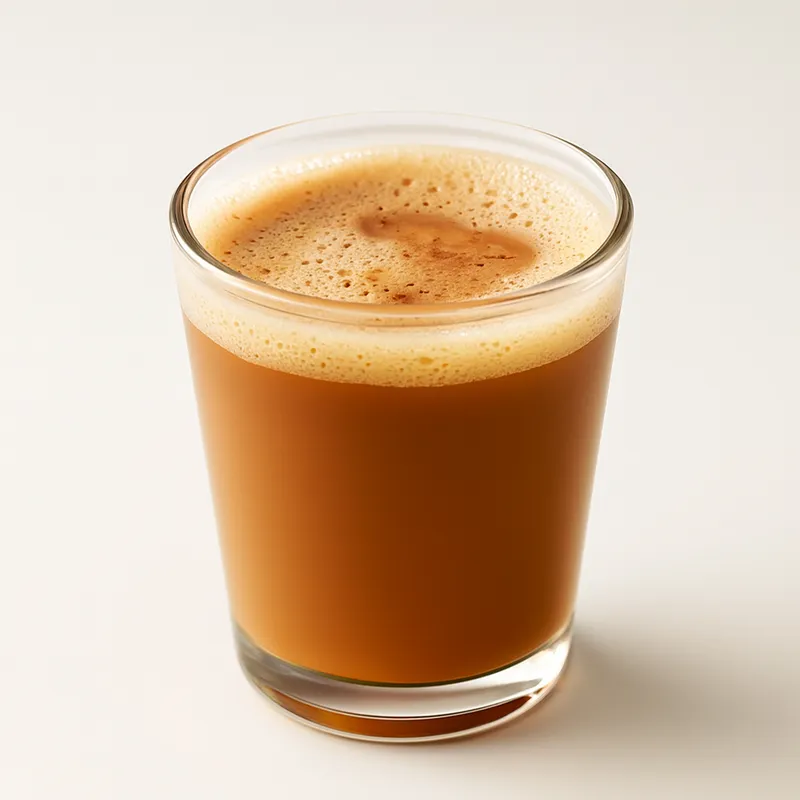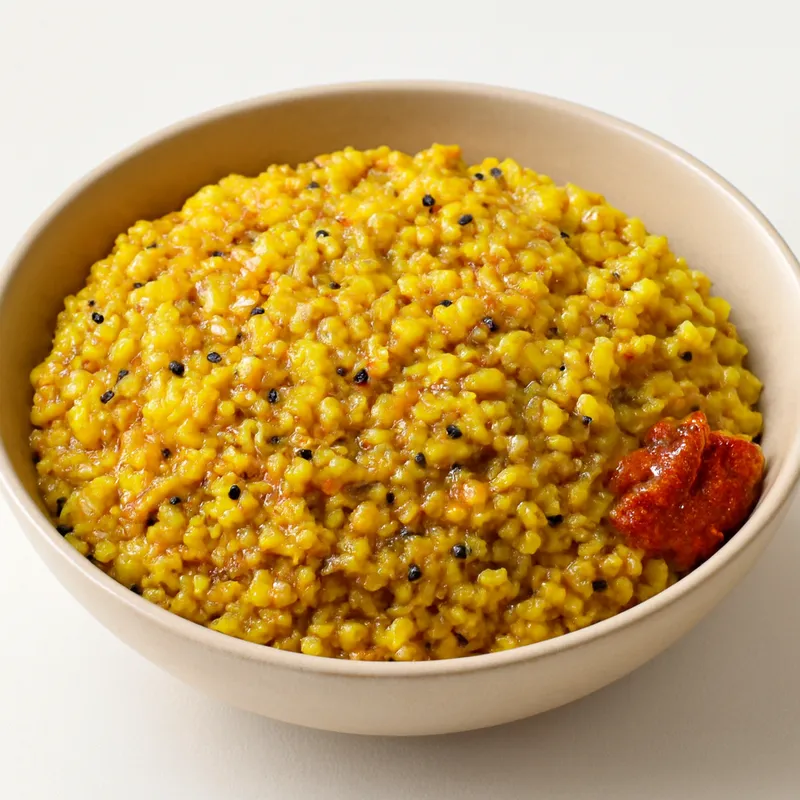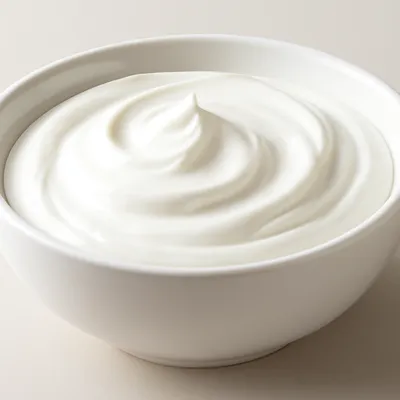



A Bengali specialty from the dairy belt of West Bengal and Bangladesh, popularized by the sweet shops of Bogra and Calcutta in the 19th–20th centuries. The Bengali tradition of sweet-set yogurt is older — fermenting milk in clay was a preservation method in a hot, pre-refrigeration delta — but the jaggery-caramel version with reduced milk became the boxed-and-gifted form sweet shops still sell.
Caramel-set yogurt from the Bogra and Calcutta sweet shops. The unfired clay pot is structural — it wicks moisture out the sides during the 6-8 hour set, which is what firms the texture.
Caramel-colored set yogurt in a small unglazed clay pot. Slightly grainy on the tongue from the jaggery, set firm enough to scoop with a spoon but not rubbery. Tastes of palm-sugar caramel up front, fresh dairy underneath, no tang — Bengali sweet yogurt is fermented just long enough to set, not enough to sour. Eat chilled, alone or after rich food.
Two non-obvious moves: milk is reduced first (often by a third or more) to concentrate solids, then jaggery is cooked separately to a deep caramel before stirring back in. The clay pot is structural — unfired earthenware wicks moisture out the sides during the 6–8 hour set, which is why the dairy concentrates further and the texture firms; setting in plastic gives a watery, looser product. Fermentation runs warm and short, not the 12+ hours of plain dahi.
Variations
Bogra-style (Bangladesh) is darker and more caramel-forward; Nabadwip lal doi is the deepest red-brown; Calcutta sweet shops like K.C. Das sell a milder, lighter version.
On the Palate
Where Mishti Doi sits in the Indian flavor cloud
Cook the jaggery to a deep caramel on its own before stirring it back into the reduced milk — that toffee note is what separates mishti doi from plain sweetened yogurt.
Ingredients
How it's made
3 steps · 25 min active + 8 hours waiting
- 115 min
Pour milk into a heavy-bottomed pot and bring it to a gentle boil over medium heat. Stir occasionally, reducing it until slightly thickened and creamy.
Watch outReduce until the milk visibly coats the spoon and turns creamy — thin milk here means a watery yogurt later.
- 25 min
Add jaggery or sugar to the milk, stirring until fully dissolved. The mixture should be smooth and sweet, with a rich caramel aroma.
Watch outCook the jaggery until it darkens to a deep amber and smells of toffee before it goes back in — pale syrup gives no depth.
- 35 min
Allow the milk to cool until lukewarm, then stir in the yogurt. Pour the mixture into earthenware pots, which help thicken the yogurt by absorbing excess water.
Watch outMake sure the milk is not too hot when adding yogurt, as it can kill the cultures.
Archive tool suggestions — not reviewed
These legacy suggestions have not been evidence-reviewed and are not presented as required tools.

A round-bellied unglazed clay pot, 1.5-3 liters, with a domed lid and side handles, used for slow-cooking Chinese soups, claypot rice (煲仔饭), and stews. The clay's high porosity diffuses heat slowly so soups never come to a violent boil — flavor develops over 2-3 hours of low simmer. Cantonese claypot rice gets its prized crispy bottom (锅巴) from the same direct-flame stovetop heat that would crack a less robust pot.

A small, thick-walled Korean earthenware pot, 12-18 cm across, that goes from gas burner to table. Its high thermal mass keeps soybean stews (doenjang jjigae), silken-tofu stews (sundubu jjigae), and steamed eggs (gyeran jjim) furiously bubbling for 10+ minutes after leaving the heat. The pot is meant to deliver food still actively cooking — a quirk of Korean meal pacing the Japanese donabe shares.