
Disputed origin — Odisha (Puri Jagannath temple tradition, claiming centuries of ritual offering) and West Bengal (where Nobin Chandra Das of Calcutta is credited with commercializing it in 1868) both hold geographical indication tags after a long fight — West Bengal won the 'Banglar Rosogolla' tag in November 2017, and Odisha was granted the 'Odisha Rasagola' tag in July 2019. Either way, rasgulla is a 19th-century product of the Bengali sweet-shop tradition that systematized chhana (curdled milk solids) into spongy, syrup-soaked sweets.
Odisha and West Bengal fought over this until 2017-2018 — both got geographical indication tags. Nobin Chandra Das of Calcutta commercialized it in 1868. The chhana must be hand-kneaded 10+ minutes or it cracks in the syrup.
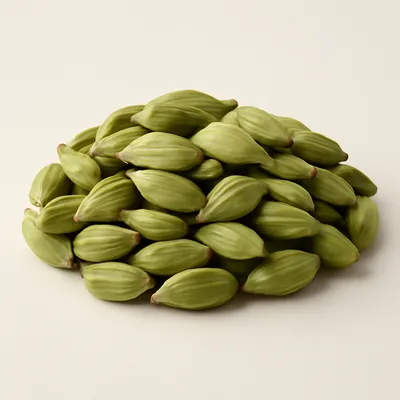
White, springy cheese balls the size of a small plum, floating in clear cardamom-scented sugar syrup. Squeeze one with a spoon — syrup runs out, ball rebounds. Bite breaks open to a coarse, ricotta-like interior. Sweet, light, milky. Eat chilled, two or three at a time, syrup and all. If it doesn't bounce back when pressed, it's overcooked.
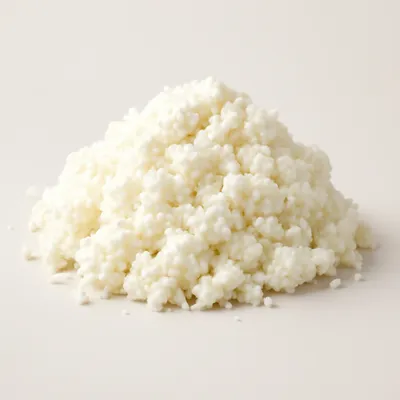
Chhana — fresh paneer-like curds — must be kneaded by hand for 10+ minutes until smooth and slightly oily; under-kneaded chhana cracks during cooking. Balls are boiled in thin sugar syrup at a vigorous boil — not simmer — for exactly 15–20 minutes; they double in size by absorbing syrup. The syrup must stay thin (one-string consistency at most) or the balls won't soak up enough water and stay dense. Pressure-cooker shortcut produces tighter, less spongy results.
Variations
Odisha Pahala rasgulla is chewier and a touch yellow; Bengali sponge rasgulla (Nobin Das style) is whiter and lighter; rasmalai sets the same balls in thickened cardamom milk; rajbhog is a bigger, saffron-stuffed cousin.
On the Palate
Where Rasgulla sits in the Indian flavor cloud
Ingredients
How it's made
5 steps · 43 min
- 110 min
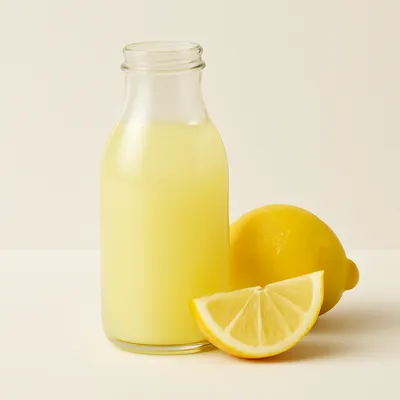
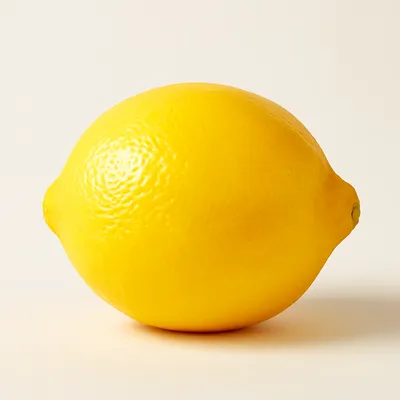
Heat milk in a pot until it just comes to a boil. Stir in lemon juice to curdle the milk, forming soft, tender curds.
Watch outMake sure the milk is not boiling too vigorously to avoid tough curds.
- 25 min
Drain the curds through a muslin cloth, rinsing with cold water to remove any lemony taste. Gather the cloth and squeeze out excess water until the chhena is firm yet moist.
- 310 min
Knead the chhena until smooth and pliable, forming into small, uniform balls without cracks.
Watch outEnsure the chhena is kneaded well — under-kneaded chhena will result in crumbly rasgullas.
- 415 min
In a wide pot, dissolve sugar in water and bring to a boil. Gently add the chhena balls, covering and simmering until they double in size and become spongy.
Watch outAvoid boiling too hard, as it can cause the rasgullas to break apart.
- 53 min
Remove the rasgullas from the syrup and let them cool. Add a few drops of rose water for a fragrant finish before serving.
Archive tool suggestions — not reviewed
These legacy suggestions have not been evidence-reviewed and are not presented as required tools.