A hearty Hawaiian comfort food consisting of white rice topped with a hamburger patty, fried egg, and gravy.





Widely credited to 1949 at the Lincoln Grill in Hilo, on Hawaiʻi's Big Island, run by the Japanese-American husband-and-wife proprietors Richard and Nancy Inouye. A group of teenagers who hung out there — members of an informal sports club called the Lincoln Wreckers — wanted something cheaper than a hamburger steak but different from a sandwich. They sent George Okimoto, nicknamed "Crazy" for his wild play, to ask Nancy to put rice in a saimin bowl, top it with a hamburger patty, and cover it all in brown gravy; she charged 25 cents. The dish was named after Okimoto's nickname — a club member, George Takahashi, who was studying Spanish, suggested "loco" (Spanish for crazy), and "moco" was tacked on simply because it rhymed; Nancy Inouye said "moco" had no meaning at all. The fried egg was added later, though no one is sure exactly when or why. The original Lincoln Grill version had no egg; the restaurant stayed open until 1963.
Invented 1949 at the Lincoln Grill in Hilo by Nancy Inouye for hungry teenage athletes who wanted cheaper than a sandwich. The egg came months later when customers asked for more food at the same price.
A mound of white rice, a hamburger patty pressed flat on top, a runny fried egg over that, brown gravy poured to cover everything. Served on a single plate, eaten with a fork, no garnish. The yolk breaks into the gravy and binds the dish; the rice underneath gets browner and softer toward the bottom of the plate as you work down.
The gravy is the load-bearing part — it's a brown roux made from beef-pan drippings, onions, and a splash of soy sauce (the Japanese-Hawaiian fingerprint). American diner gravy without soy tastes wrong here. The patty is thin and well-done on purpose, so it absorbs gravy from above and steam from the rice below.
Variations
The name "loco moco" properly applies to the hamburger-patty version; swap the protein and the name changes. Spam-and-egg loco is the budget plantation cousin; kalua-pork (slow-roasted in an underground imu), teriyaki beef or chicken, Portuguese sausage, and mahi-mahi (a fish version) are all common. Cafe 100 in Hilo, open since 1946, did not invent the dish but helped popularize it and now makes more than 30 moco variants.
On the Palate
Where Loco Moco sits in the Hawaiian flavor cloud
Build the gravy as a proper brown roux from beef drippings, onion, and a splash of soy sauce — that soy note is the Japanese-Hawaiian fingerprint, and plain American diner gravy tastes wrong without it.
Ingredients
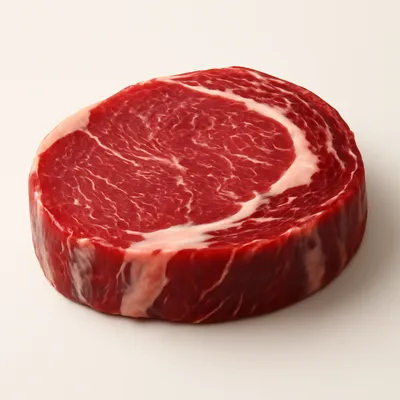

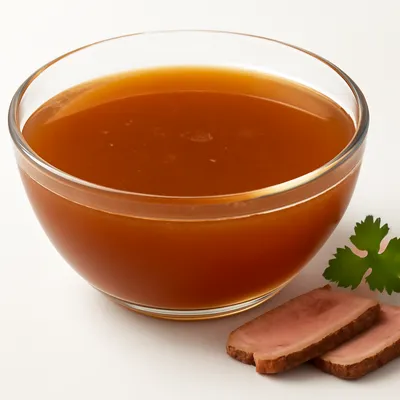
How it's made
5 steps · 42 min
- 120 min
Cook the white rice according to package instructions until fluffy and tender. The grains should be separate but sticky enough to hold together when pressed.
Watch outEnsure the water-to-rice ratio is correct to avoid undercooked or mushy rice.
- 210 min
Shape the ground beef into patties, seasoning with salt and pepper. Heat a skillet over medium-high heat and sear the patties until browned on both sides and cooked to your desired doneness. Listen for the sizzle as the meat hits the pan.
Watch outListen for the loud sizzle when the patty hits the pan — that hard sear is where the browning flavor comes from.
- 35 min
In a small saucepan, combine beef stock and cornstarch. Whisk continuously over medium heat until the gravy thickens and coats the back of a spoon.
Watch outWhisk the cornstarch gravy nonstop until it coats the back of a spoon — stop too early and it stays watery.
- 45 min
Fry the eggs sunny-side-up in a non-stick skillet until the whites are set but the yolks remain runny. The edges should be crispy and golden.
Watch outPull the egg the instant the white turns opaque — the yolk has to stay liquid.
- 52 min
To assemble, place a mound of rice on a plate, top with a beef patty, and generously ladle the brown gravy over. Crown with the fried egg, letting the yolk glisten invitingly.
Archive tool suggestions — not reviewed
These legacy suggestions have not been evidence-reviewed and are not presented as required tools.