


Canard à l'orange entered French haute cuisine in the 17th century but the technique is older — medieval European cooks used bitter Seville oranges (introduced via Moorish Spain in the 10th–11th centuries) with rich meats long before sweet oranges existed. The modern restaurant form was largely fixed by Carême in the early 19th century, who established the gastrique-and-stock sauce structure; the Paris restaurant Lasserre later refined it into a celebrated signature dish.
Paris-Lyon haute cuisine staple — roast duck with a gastrique sauce of caramelized sugar, vinegar, orange juice, and demi-glace. Catherine de' Medici's 1533 Florentine entourage gets the credit, but Escoffier formalized the modern recipe.
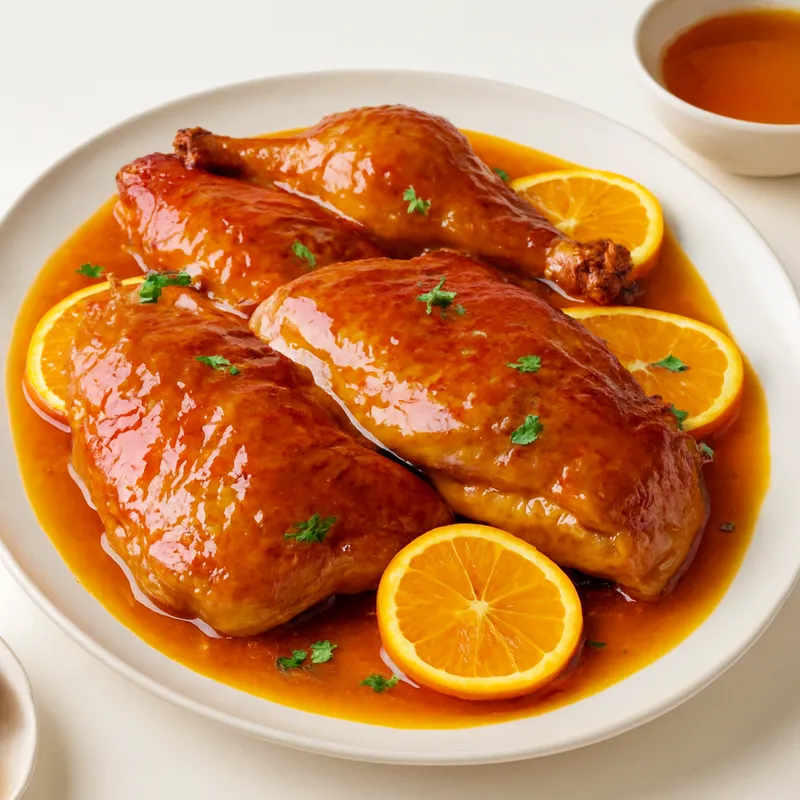
Roasted duck — usually a whole bird or breasts cooked skin-down to render fat — sliced and served under a thin amber sauce built from bitter Seville orange juice, sugar caramelized to a gastrique, duck stock, and often a splash of Grand Marnier. The sauce is sharp first, then sweet, then bitter from the peel. Skin must stay crisp; sauce goes on the meat side, not over the skin.
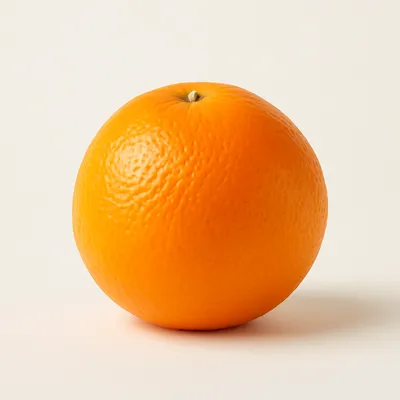
The sauce is a gastrique, not a juice reduction: sugar is taken to a dark amber caramel first, then deglazed with vinegar and Seville juice — the burnt-sugar bitterness echoes the peel and balances the duck fat. Sweet navel orange juice can't substitute; without bitterness the sauce reads candied. Seville oranges have a six-week winter season; outside it, cooks blend lemon, navel, and a strip of pith-on peel.
Variations
À la bigarade uses bitter Seville oranges (the original); à l'orange uses sweet oranges (modern bistro); à l'ananas swaps in pineapple — a 1970s nouvelle cuisine move.
On the Palate
Where Canard à l'Orange sits in the French flavor cloud
Start the duck breasts skin-side down in a cool-to-medium pan and let the fat render slowly until the skin is thin, deep-golden, and crackling before you flip — rushing on high heat burns the surface while the fat underneath stays soft and rubbery.
Ingredients





How it's made
5 steps · 30 min
- 15 min
Score the skin of the duck breasts in a crisscross pattern, being careful not to cut into the meat. Season both sides generously with salt and pepper.
- 212 min
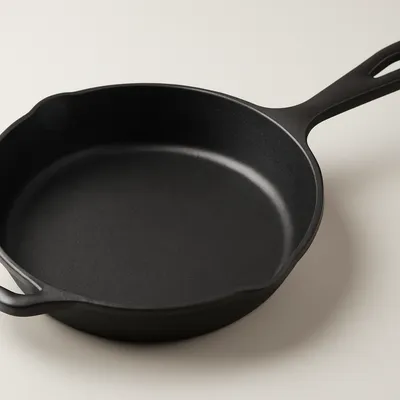
Heat a skillet over medium heat and place the duck breasts skin-side down. Cook until the skin is crispy and golden brown, about 6-8 minutes. Flip and sear the other side for 3-4 minutes.
Watch outListen for a steady, gentle sizzle, not a violent spatter — that low crackle means the fat is rendering instead of the skin scorching.
- 33 min
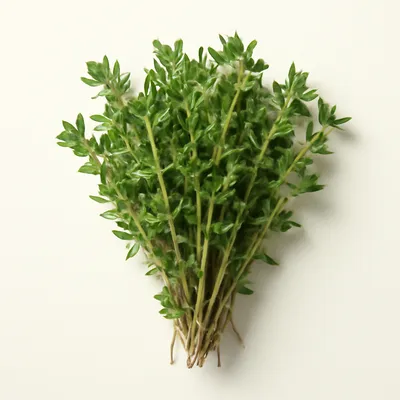
Remove the duck breasts from the skillet and let them rest. In the same skillet, add minced garlic and thyme, sautéing until fragrant.
- 45 min
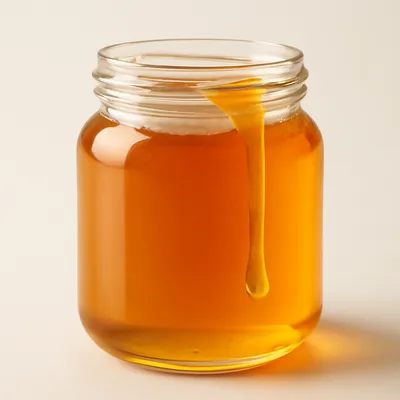
Add fresh bitter orange juice and honey to the skillet. Simmer until the sauce thickens slightly, about 5 minutes, stirring occasionally to prevent sticking.
Watch outSimmer the sauce just until it coats a spoon and turns glossy; push it too far and it goes sticky and bitter-burnt.
- 55 min
Slice the rested duck breasts thinly and arrange on a serving platter. Drizzle the bitter orange sauce over the duck, allowing the flavors to meld beautifully.
Archive tool suggestions — not reviewed
These legacy suggestions have not been evidence-reviewed and are not presented as required tools.