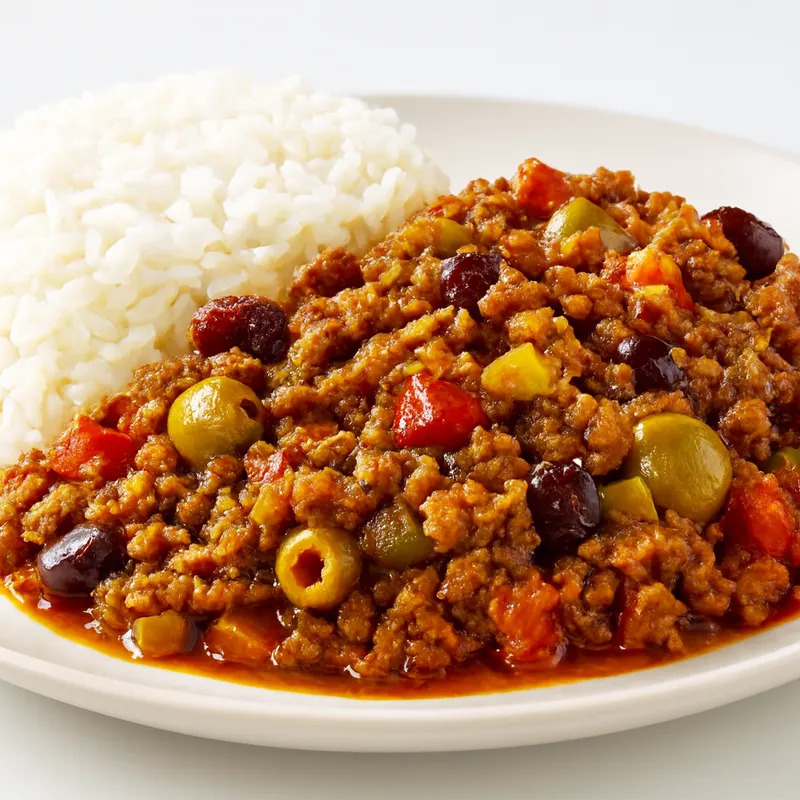
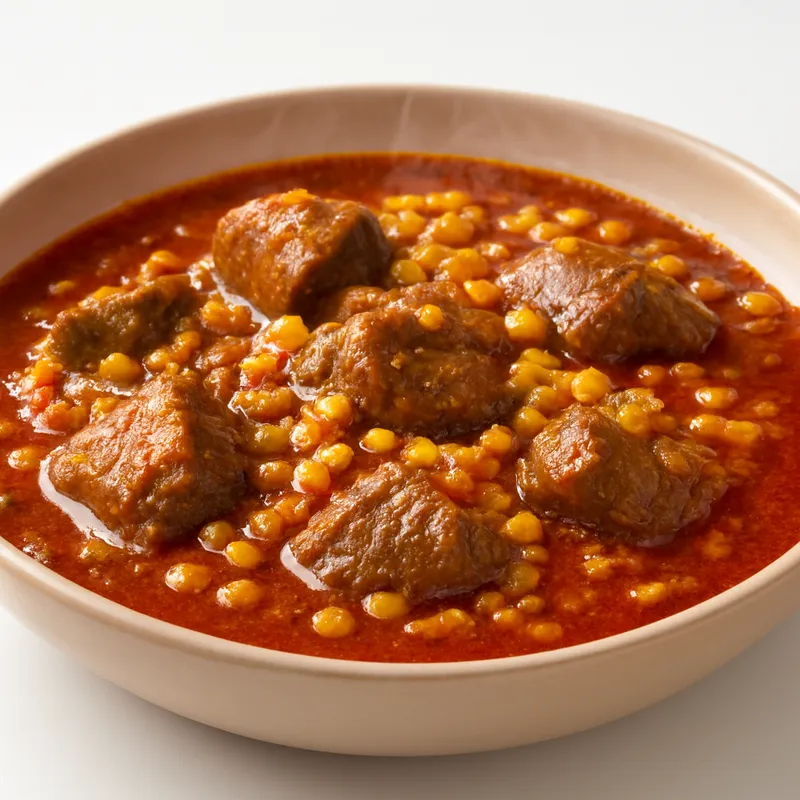
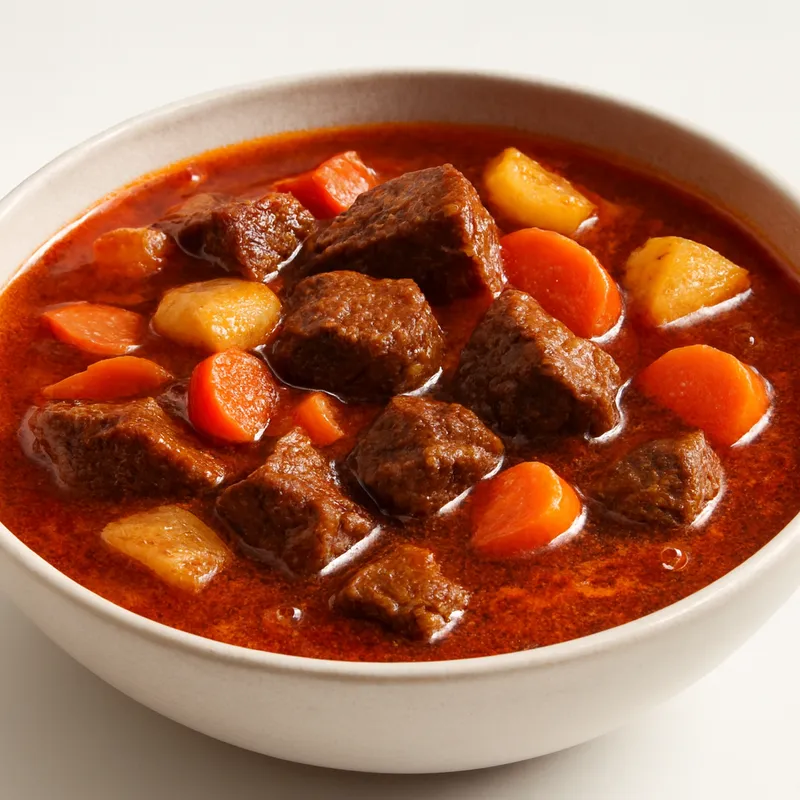
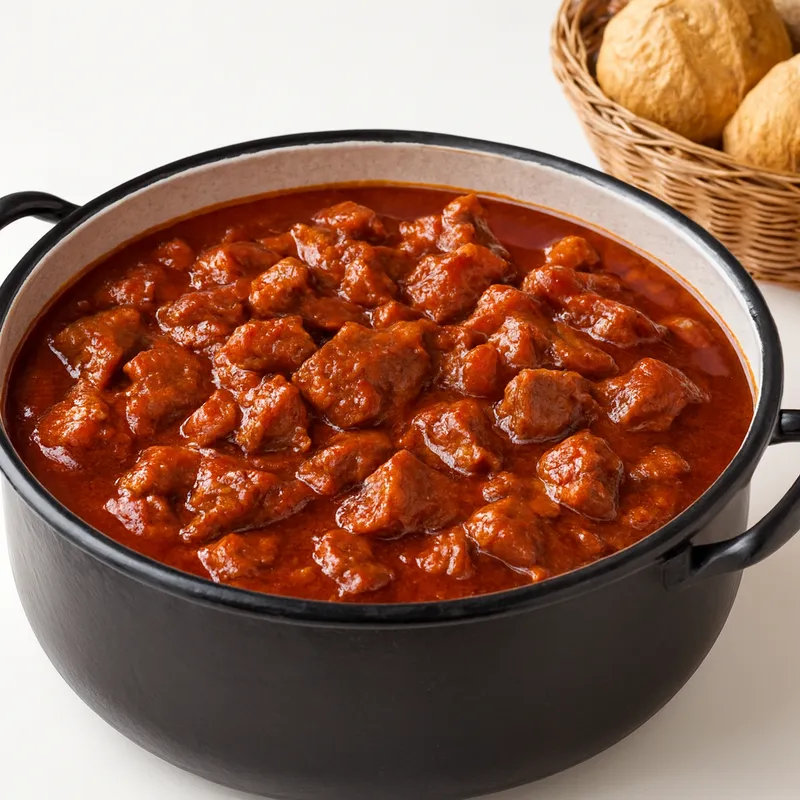
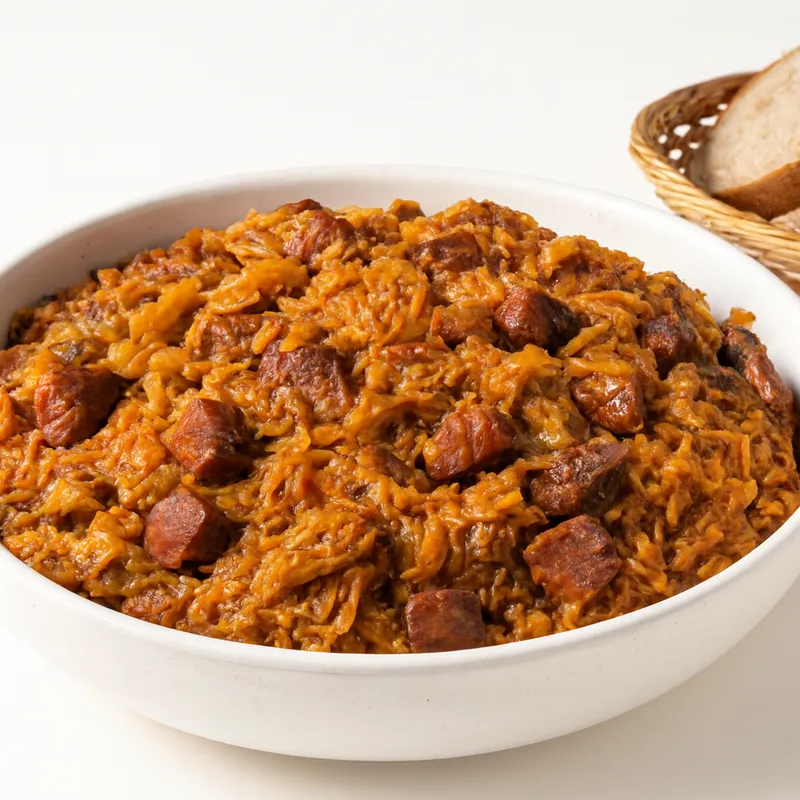
A hearty and sour soup with meat and pickles.
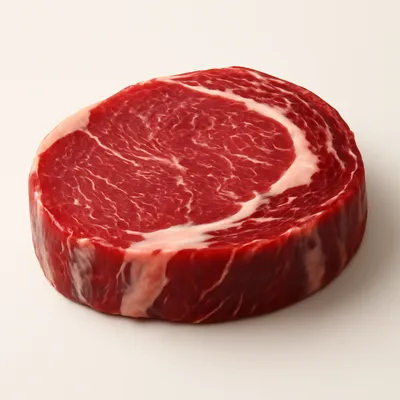



A 16th-century tavern soup originally called селянка (selyanka, "villager's soup") — designed to use up scraps of cured meat that accumulated in inn kitchens. Renamed solyanka (from соль, sol, "salt") by the 18th century as the sour-salty profile became its identifier. A Russian hangover soup as much as a meal — the acid and salt were considered restorative the morning after.
A 16th-century tavern soup originally called селянка (selyanka, villager's soup), built to use up scraps of cured meat. The pickle brine (rassol) — not the pickles themselves — is the load-bearing seasoning, about half a cup per liter.
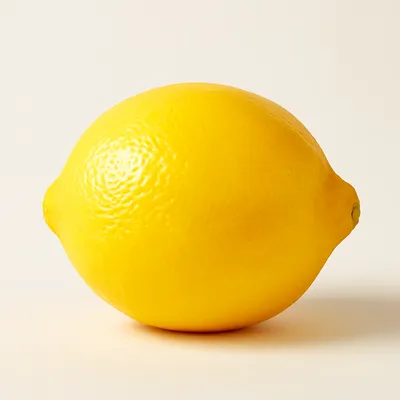
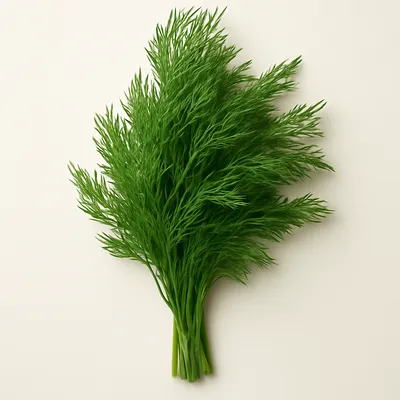
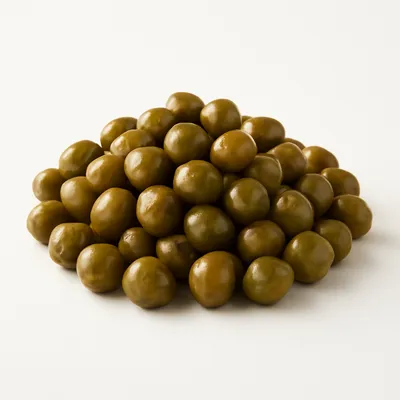
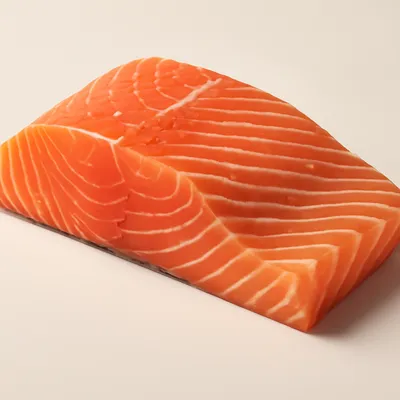
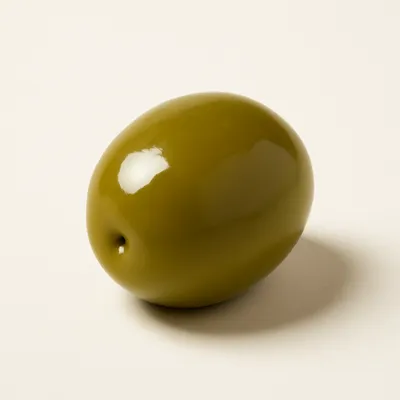
A sour, salty, dense soup — the broth dark from tomato paste and pickle brine, packed with three or four cured meats sliced into the pot (smoked sausage, ham, salami, often boiled tongue), plus pickled cucumber, capers, olives, lemon slice, fresh dill. The fish version (rybnaya solyanka) substitutes salmon, sturgeon, and salt herring. Served with a slice of lemon floating on top. Tastes assertively sour at first sip — that's correct.
The pickle brine (рассол, rassol), not just the pickles themselves, goes into the pot — about half a cup per liter of soup. This is the load-bearing seasoning; it provides the lactic acid, salt, and dill notes that tie the assorted meats together. Cooks who use only the pickle and not the brine end up with flat solyanka, which they then over-salt to compensate, and the soup goes harsh.
Variations
Myasnaya (mixed cured meats, the standard); rybnaya (salmon, sturgeon, salt herring); gribnaya (mushroom, Lent-era); Georgian-influenced solyanka in Tbilisi adds tkemali plum sauce.
On the Palate
Where Solyanka sits in the Russian flavor cloud
Ladle the pickle brine into the pot, not just the chopped pickles — that sour salty liquid is the load-bearing seasoning that ties the assorted meats together and stops the soup tasting flat.
Ingredients




How it's made
5 steps · 40 min
- 110 min
In a large pot, brown the beef over medium-high heat until it's deeply caramelized, about 10 minutes.
Watch outDon't rush this — wait for a deep brown crust and the smell of caramelized meat before moving on.
- 25 min
Add chopped onions and sauté until they are soft and golden, about 5 minutes.
- 32 min
Stir in tomato paste and cook for another 2 minutes, until the paste darkens slightly and smells sweet.
Watch outCook the tomato paste until it darkens from bright red to brick and smells sweet, not raw and sharp.
- 420 min
Pour in water or broth and bring to a simmer. Add sliced pickles, olives, and any additional meats or fish. Simmer gently until all flavors meld, about 20 minutes.
Watch outThis is where the brine goes in with the pickles and olives — taste and let it just simmer, don't boil it hard.
- 53 min
Serve hot with a dollop of sour cream and a wedge of lemon for added brightness.
Archive tool suggestions — not reviewed
These legacy suggestions have not been evidence-reviewed and are not presented as required tools.