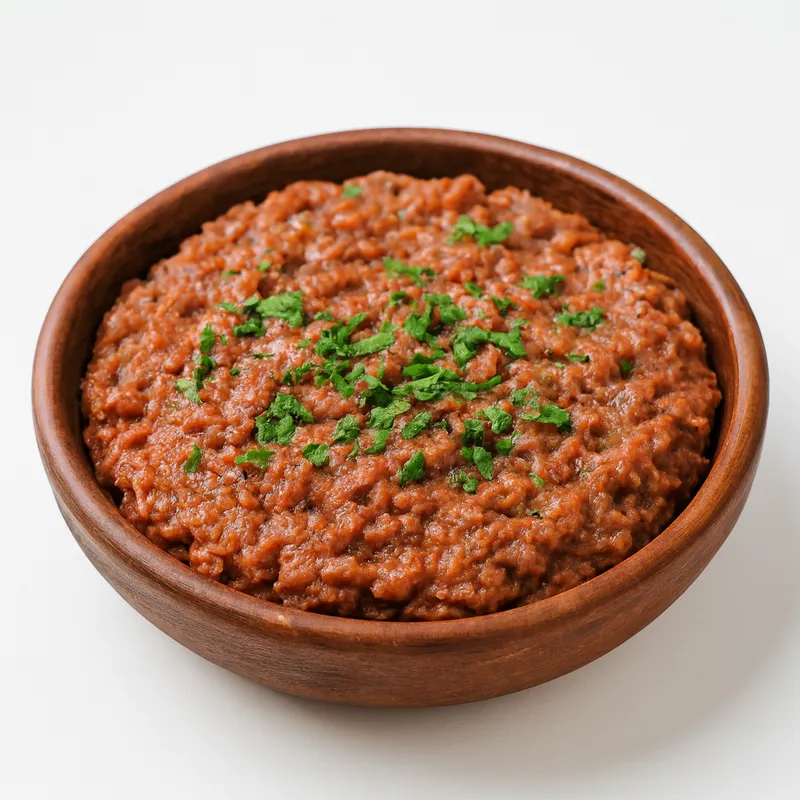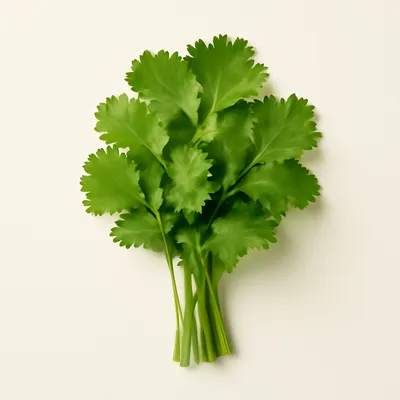
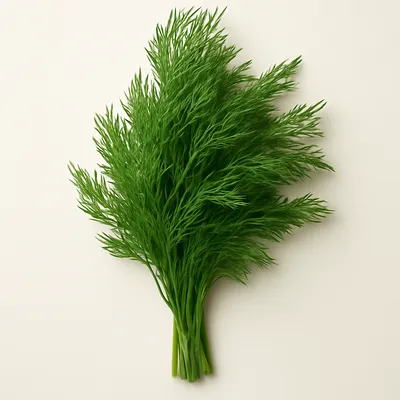



Adjika (аджика) originated as a salt-and-spice rub used by Abkhaz and Georgian shepherds — the name comes from the Abkhaz word for 'salt.' The modern paste form, with red chili, garlic, walnut, and herbs (cilantro, dill, blue fenugreek), spread across the Soviet South. Every Russian household near the Caucasus has a jar in the fridge; it accompanies grilled meat, ladles into soups, and stains bread.
A Caucasian chili paste made from sun-dried red chilies, garlic, walnut, and coriander — fiery, fermented, applied to anything that needs heat. Adopted by Russian cuisine from the Abkhaz and Georgian neighbors.
Adjika is not fermented — it is a raw paste pounded from chilies, garlic, herbs and a heavy dose of salt, then packed into sterilized jars. The high salt concentration suppresses spoilage microbes, letting the paste keep for months in a cool place without refrigeration. The walnut adds tannins that bind to the chili capsaicin.
Variations
Abkhaz adjika is greenest and freshest; Georgian Megrelian adjika is reddest and saltiest; Russian Caucasian adjika is mildest — three Caucasian chili pastes.
On the Palate
Where Adjika sits in the Russian flavor cloud
Ingredients






How it's made
6 steps · 30 min
- 13 min
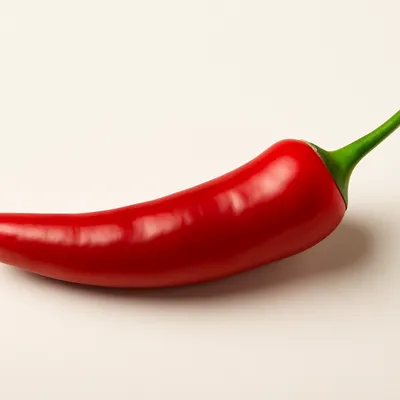
Stem and seed 200g fresh red chilies (mix of hot and mild). Wear gloves.
- 24 min
Roughly chop 6 garlic cloves, a small bunch each of cilantro and dill, and 50g walnuts.
- 32 min
Pulse all in a food processor with 1 tsp salt, 1 tsp ground coriander, 1 tsp fenugreek, 1 tbsp white vinegar, and 2 tbsp olive oil — keep some texture, don't liquify.
Watch outStop pulsing while the paste still shows small flecks and holds its shape on a spoon; if it turns to liquid you have gone too far.
- 42 min
Taste; adjust salt and add a pinch of sugar if too sharp. The paste should be vivid red, thick enough to spoon.
Watch outThe finished paste should be vivid red and thick enough to mound on a spoon; a pinch of sugar tames it if it tastes too sharp.
- 55 min
Pack into a sterilized jar; top with a thin layer of oil to seal. Refrigerate at least 1 day before using — flavor needs to settle.
- 62 min
Keeps 1 month refrigerated. Serve as condiment with grilled meats, soups, or smeared on bread.