



Umngqusho is a staple dish of the Xhosa people in South Africa's Eastern Cape, where pairing samp with beans is a pre-colonial Nguni way of eating and an everyday rural meal; the Zulu of KwaZulu-Natal eat the same thing under the name isitambu ('stamped corn'). The dish is widely known for its association with Nelson Mandela, who recalls umngqusho as a staple of his childhood in his autobiography 'Long Walk to Freedom' (1994). It is often described — chiefly in popular accounts rather than from a firm source — as his favourite dish and the meal he most missed in prison. It now appears on many premium South African restaurant menus as a 'heritage dish'.
A spoonful of umngqusho is dense but moist — the samp grains are firm enough to bite into individually, but they've cooked long enough that their cell walls have broken; the sugar beans are soft and slightly sweet; the onion-sauté is the only seasoning. With butter melting on top, it's about as comforting as a bowl of carbohydrate gets.
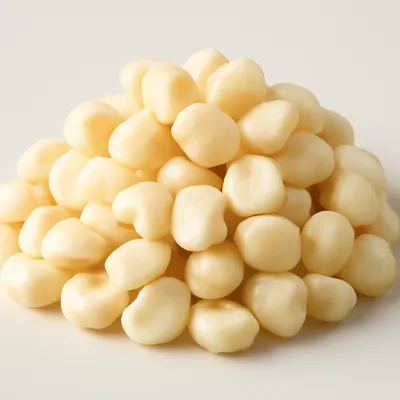
Samp is dried maize that has been pounded and stamped until the kernels break into coarse pieces; during the stamping the hull (pericarp) loosens and is largely removed — so samp is de-hulled, but left far coarser than ground cornmeal, which is why umngqusho keeps distinct, chewy grains rather than the smooth texture of cornmeal porridge. The samp and beans are soaked first (ideally overnight) to hydrate the hard, dried kernels, then simmered in fresh water for roughly 1.5–2 hours until the grains are tender-yet-firm and the beans are soft and creamy. Pressure cookers can reduce this to around 40 minutes but lose the slow-cooked depth.
Variations
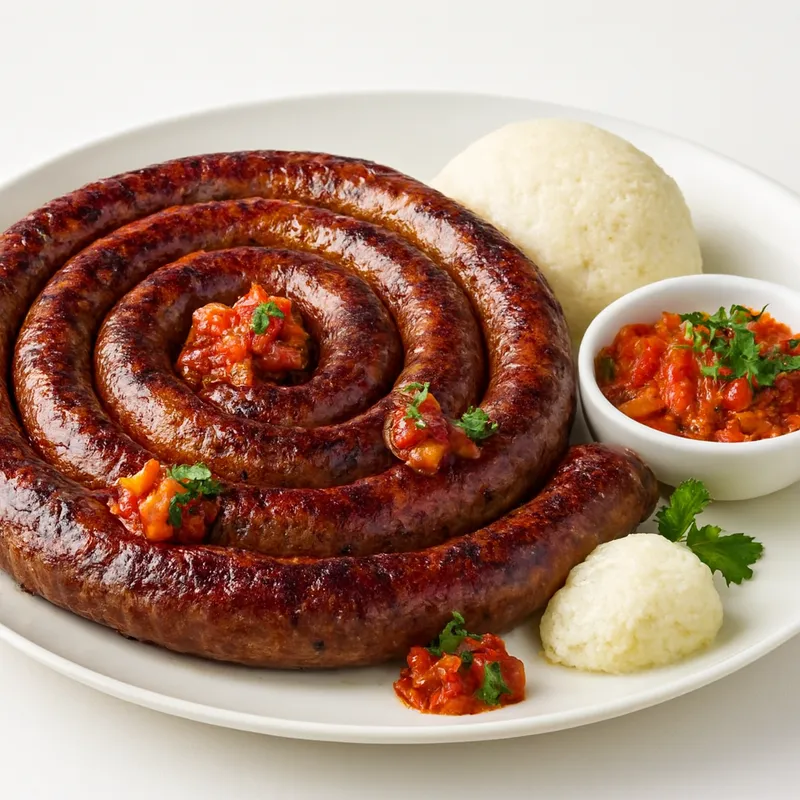
Mandela's preferred Eastern Cape version is plain with onions; Zulu version sometimes adds curried beef on top; modern restaurant versions add chakalaka relish; urban townships add boerewors sausage — purist preparation is samp + beans + onion only.
On the Palate
Where Umngqusho sits in the South African flavor cloud
Ingredients
Serves 6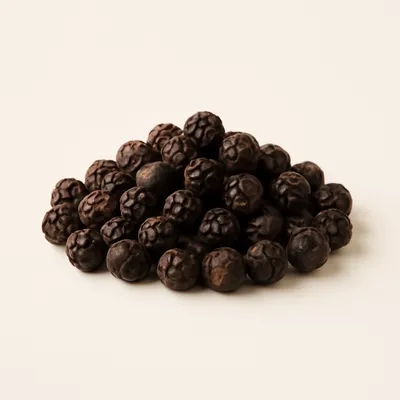


How it's made
5 steps · 30 min active + 11 hours 30 min waiting
- 1490 min
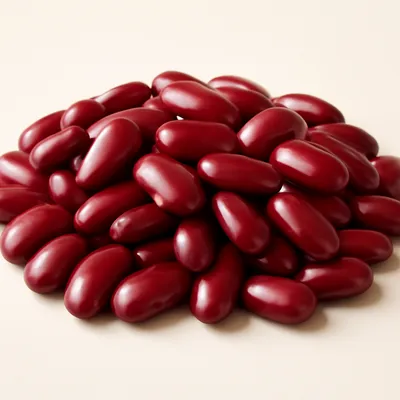
Soak 400g dried samp (cracked corn, not corn meal) and 200g dried sugar beans (or red speckled kidney beans) in separate bowls of water overnight (8+ hours).
Watch outSoak the samp and beans in separate bowls — beans leach color and cook at a different rate, so keeping them apart until the pot gives you cleaner control.
- 25 min
Drain both. In a large heavy pot, combine soaked samp + soaked beans + 2.5L fresh water, 1 tsp salt. Bring to a boil; reduce to low simmer.
- 3170 min
Simmer covered, stirring occasionally, 2-3 hours until samp is tender and beans are soft. Add hot water during cooking if level drops too low. The samp should hold its shape but be chewable; beans should be soft.
Watch outDone means the samp holds its shape but crushes easily between your fingers and the beans are fully soft — taste, don't just watch the clock.
- 48 min
Once tender, drain off any excess water (reserve in case). Add 1 chopped onion sautéed in 3 tbsp oil until golden (6 min), 1 tsp salt, 1 tsp black pepper. Stir to combine.
- 57 min
Optional: add 200ml milk and 50g butter, stir for 5 min until creamy. Adjust salt. Serve hot in deep bowls with a knob of butter melting on top.
Archive tool suggestions — not reviewed
These legacy suggestions have not been evidence-reviewed and are not presented as required tools.