





Old as cabbage-barrel fermentation in Slavic lands — written into Kyivan monastery dietaries in the 11th century. Word derives from kapusta (cabbage). Was the standard Lenten and post-Lenten lunch in peasant households from harvest through April when fresh greens reappeared.
Cossack chronicler Samiilo Velychko's 1720 Litopys describes Hetman Bohdan Khmelnytsky's camp kitchen issuing kapusniak with smoked ham hock to soldiers before the 1648 Battle of Korsun — earliest dated military-ration mention in Ukrainian sources.
Murky yellow-pink broth heavy with strands of sauerkraut, glistening pork-rib fat, soft potato chunks, generous dill. Sour-funky upfront from the fermented kraut, smoky-fatty underneath from the pork. Sour cream stirred in at the bowl brightens it.
Sauerkraut is rinsed only if very salty — its brine carries the depth. Pork ribs go in cold water and rise to a simmer (never boil) for clear broth. The kraut is added last 40 minutes — earlier and the sour cooks out, turning bland and stringy.
Variations
Hutsul version uses smoked goat or mutton ribs. Polissia adds dried wild mushroom alongside the kraut. Modern Kyiv chef Ievgen Klopotenko serves a version with smoked duck and pearl barley at his restaurant 100 Rokiv Tomu Vpered, departing from the pork-only tradition.
On the Palate
Where Kapusniak sits in the Ukrainian flavor cloud
Ingredients
Serves 6
How it's made
5 steps · 16 min active + 1 hour 50 min waiting
- 18 min
Brown 500 g pork ribs in heavy pot.
Watch outBrown the ribs to a deep crust before anything goes in — that fond on the pot bottom is where the broth's meaty depth comes from.
- 25 min
Add 1 chopped onion + 2 grated carrots; sauté 5 min.
- 390 min
Add 600 g sauerkraut + 2 L stock + bay leaves; simmer 1.5 hr.
Watch outHold it at a bare tremble, never a rolling boil — a hard boil clouds the broth; you want it staying clear as it slow-simmers the ribs tender.
- 420 min
Add 200 g potato cubed; simmer 20 min more.
- 53 min
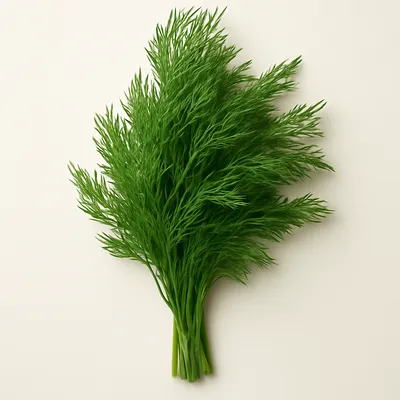
Finish with chopped dill and a dollop of smetana per bowl.
Watch outStir the dill in only at the very end off the heat — cook it and the fresh green top-note that lifts the whole sour pot just cooks away.
Archive tool suggestions — not reviewed
These legacy suggestions have not been evidence-reviewed and are not presented as required tools.


