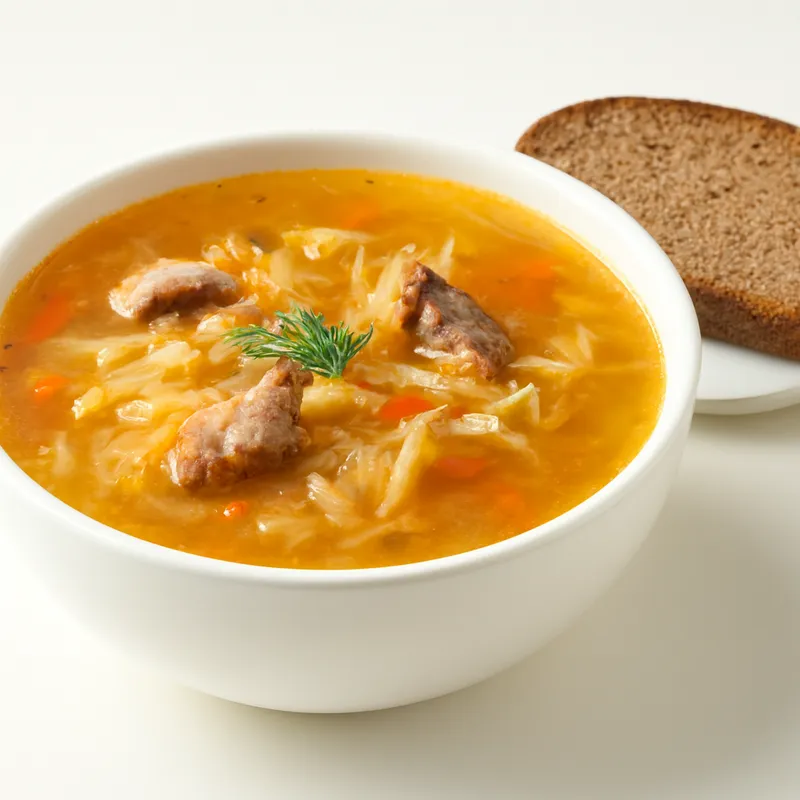





The name from holub (dove) — the parcels resemble birds. Documented in 17th-century Ruthenian monastery records; the Ukrainian-Polish-Belarusian-Russian border belt all claim it, but Volyn and Polissia villages keep the oldest unbroken thread, including the Lenten buckwheat-and-mushroom version.
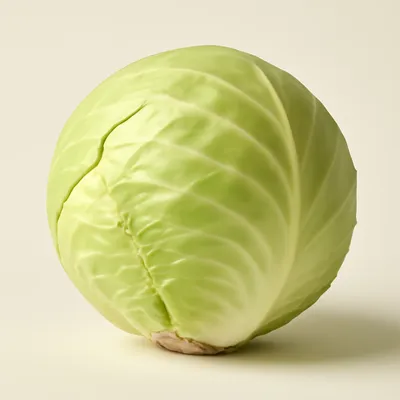
Volyn village holubtsi use sour-fermented whole-head cabbage (kvasheni holovky), buried in barrels from October — a technique recorded by ethnographer Zorian Dolenha-Khodakovsky in 1818 and still practiced in Manevychi district.
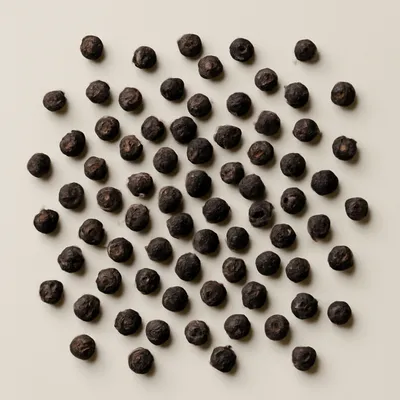
Soft pale-green cabbage leaf yielding to fork, opening to a tight rice-and-pork bundle, pink-orange sauce pooling. Tomato acid up front, smetana smoothing it, dill grassy on top, pork fat slicking the lips. Bay leaf and allspice in the background.
Cabbage leaves get a 90-second blanch and then a freeze-thaw or vinegar-brine to break the cell walls — otherwise they tear when rolled. The braise must stay below a simmer (85°C) for two hours so the pork-fat renders into the rice without bursting the parcels.
Variations
Galician version uses buckwheat-and-mushroom for Christmas Eve Lent (sub-cuisine Galician); Bessarabian version wraps in pickled grape leaves and uses bulgur (sub-cuisine Bessarabian); Hutsul mountain version uses cornmeal and bryndza inside; Poltava version finishes with smoked-pork crackling on top.
On the Palate
Where Holubtsi sits in the Ukrainian flavor cloud
Ingredients
Serves 6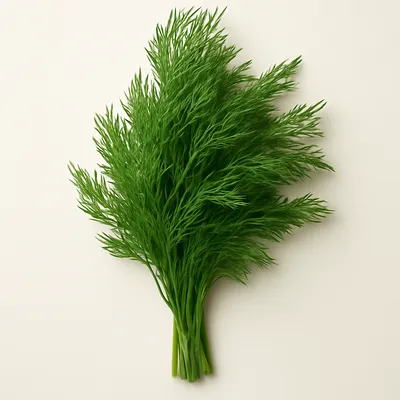



How it's made
6 steps · 44 min active + 1 hour 45 min waiting
- 115 min
Blanch 1 head cabbage to soften leaves; cool and separate.
Watch outPull the leaves the moment they go floppy and translucent at the edges — over-blanched leaves turn slimy and won't hold a fold.
- 210 min
Mix filling: 500 g ground pork + 200 g cooked rice + 1 grated onion + 1 grated carrot + salt + pepper + dill.
- 325 min
Wrap 2 tbsp filling in each leaf; tuck ends; arrange seam-down in deep pot.
Watch outRoll snug but not tight — the rice swells, and a bursting-full parcel will split.
- 48 min
Pour 800 ml tomato-smetana sauce (200 ml smetana + 400 g crushed tomato + 200 ml stock) over rolls.
- 590 min
Cover; simmer low 1.5 hr until cabbage is meltingly tender.
Watch outDone when a leaf yields to a spoon with no resistance and the sauce has gone glossy from rendered fat.
- 61 min
Garnish with fresh dill before serving.
Archive tool suggestions — not reviewed
These legacy suggestions have not been evidence-reviewed and are not presented as required tools.