






Okroshka grew out of the peasant habit of soaking dark rye bread and leftover vegetables in tangy kvas to make a cooling meal during the scorching steppe summers. By the nineteenth century it had become a beloved warm-weather staple across Ukrainian villages, where every household kept a cask of homemade bread kvas precisely for this dish.
Ice-cold and bracingly sour-tangy from the kvas, with crunchy cucumber and radish snapping against soft potato and egg. The dill and green onion give it a garden-fresh lift, and the swirl of sour cream rounds every spoonful into something creamy and cooling.
Kvas brings natural acidity and faint carbonation that keeps the raw vegetables crisp and the soup refreshing without cooking. Chilling lets the salt and mustard draw juices from the vegetables, building a light broth around the diced ingredients.
Variations
Kefir or whey instead of kvas, meatless versions with just egg and vegetables, beef or sausage in place of ham, a sour-cream-heavy creamy style
On the Palate
Where Okroshka Ukrainian sits in the Ukrainian flavor cloud
Ingredients
Serves 4
How it's made
7 steps · 25 min
- 120 min
Boil potatoes and eggs separately until tender, then cool and peel both.
- 210 min
Dice the potatoes, eggs, fresh cucumbers, radishes and cooked ham into small even cubes.
- 35 min
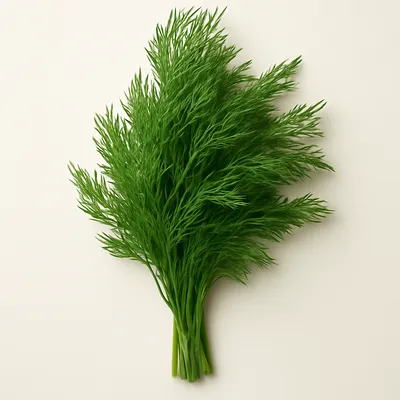
Finely chop a generous handful of dill and green onion, mashing the onion lightly with salt to release its juice.
Watch outRub the chopped onion with salt until it weeps and turns limp — that released juice is what seasons the cold broth from the inside.
- 45 min
Combine all the diced ingredients and herbs in a large bowl and season with salt and a little mustard.
- 53 min
Pour cold bread kvas (or a kvas-and-kefir mix) over the vegetables until everything is just submerged.
- 660 min
Chill the soup in the refrigerator for at least one hour so the flavors meld.
Watch outGive it a full hour cold so the flavors marry and the kvas turns tangy-crisp; served too soon it tastes like plain water with vegetables.
- 72 min
Ladle into bowls, add a spoonful of sour cream to each, and stir before eating.


