




Brynza is the sheep-milk cheese of the Carpathian mountains, made by Hutsul shepherds for centuries during summer pasture transhumance. Fresh brynza is salty, crumbly, and grassy from the sheep's wild diet. Mixed with butter and garlic into a spread (sometimes called 'banush brynza'), it becomes the everyday cheese of the highlands — eaten on dark bread for breakfast, on potatoes at supper, smeared over banush corn porridge. The PDO-protected version is from the Verkhovyna district.
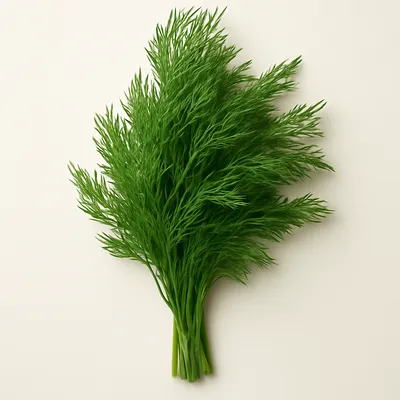
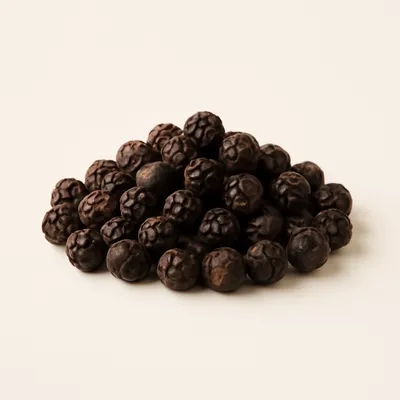
Spread thickly on a slice of dark bread, the brynza-butter mix is salty, garlicky, faintly grassy from the sheep cheese. Dill cuts through; black pepper warms. Eat with a tomato slice on top, a slug of horilka (Ukrainian vodka) on the side. Carpathian morning.
Brynza's high protein content (28% vs 7% in cream cheese) gives the spread structural body — it holds its shape on bread without sliding off. Whipping with butter loosens the cheese's tight protein matrix and incorporates air, producing the slightly fluffy texture that makes the spread feel lighter than its fat content suggests.
Variations
Hutsul brynza spread uses sheep brynza; Slovak version uses bryndza (similar cheese); Romanian Maramureș version adds chopped scallion — three Carpathian cheese spreads.
On the Palate
Where Hutsul Brynza Spread sits in the Ukrainian flavor cloud
Ingredients
Serves 6How it's made
5 steps · 15 min active + 5 min waiting
- 110 min
Crumble 300g fresh brynza (or substitute with crumbly feta + ricotta mixed 2:1) into a bowl. Bring to room temperature, 10 min.
- 22 min
In a separate bowl, beat 100g unsalted butter with a fork or whisk until soft and creamy, 2 min.
Watch outBeat the butter until it's pale and creamy before the cheese goes in — cold, stiff butter won't fold smooth and leaves the spread grainy.
- 33 min
Combine cheese and butter. Add 3 minced garlic cloves, 2 tbsp finely chopped fresh dill, ½ tsp ground black pepper. Mix vigorously with a fork until smooth and slightly fluffy.
Watch outMash hard until it turns pale and lightens up — that whipped, slightly fluffy lift is the whole point; stop early and it's dense and heavy.
- 41 min
Taste; add a pinch of salt if needed (brynza is already salty).
- 52 min
Pile spread in a shallow bowl, smooth top. Drizzle with sunflower oil. Serve with thick slices of dark rye bread or as a topping for banush corn porridge.
Archive tool suggestions — not reviewed
These legacy suggestions have not been evidence-reviewed and are not presented as required tools.


